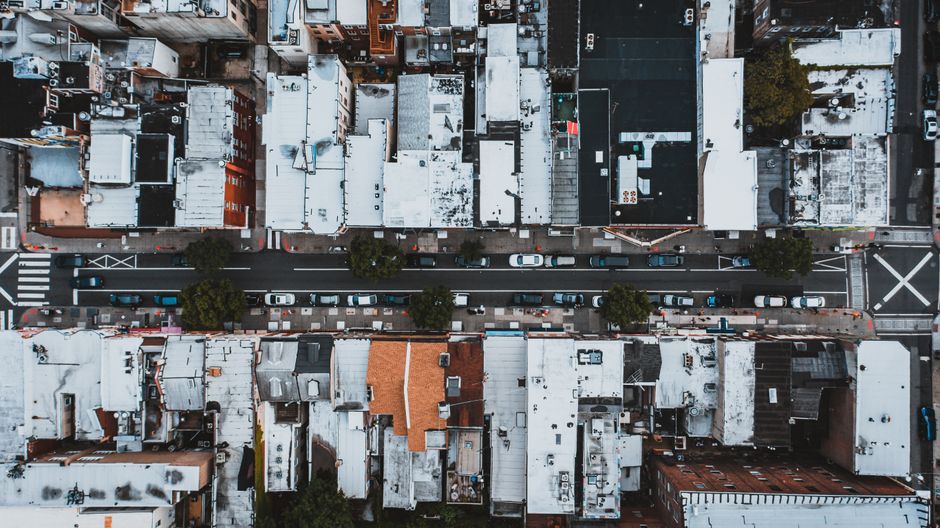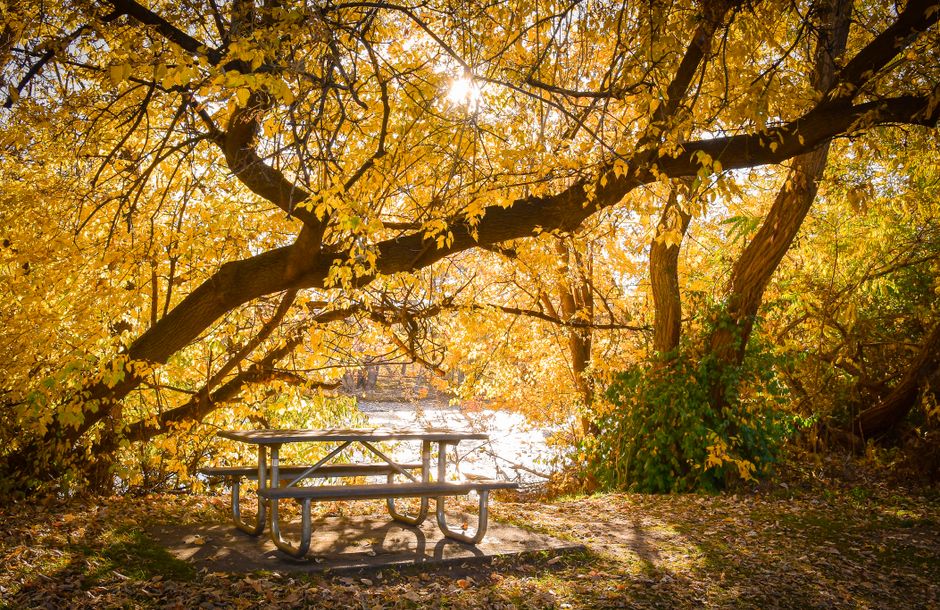
I rolled into Boise on a gray September afternoon expecting a quick pass-through—the kind of city you hit on the way to somewhere else. But something about the light hitting the foothills and the absence of the usual tourist clutter made me stay longer. After a week of wandering past the predictable downtown blocks, I realized most visitors never make it past the Basque Block or a jog around Camel's Back Park. The real Boise is quieter and weirder than the guidebooks suggest.
This isn't about finding Instagram spots or secret restaurants that will be packed by next year. It's about the corners where locals actually spend their time—the parks nobody's heard of, the small museums tucked into old buildings, the neighborhoods that feel like they belong to the city itself, not the tourism board.
Julia Davis Park's Forgotten East Side
Everyone knows Julia Davis Park exists. It's right there on the map, close to downtown. But most visitors stick to the main drag where the zoo and art museum sit, take a photo, and leave. I made the mistake of actually walking the whole thing, and that's when the park opened up.
Head east past the main attractions and the crowds thin out. You'll find yourself on quieter paths that actually feel like they meander through something real—old trees, actual wildlife if you're patient, and ponds that don't feel designed for Instagram. There's a small botanical garden section that's genuinely peaceful on a weekday morning. The park's 88 acres mean you could spend hours here and never see another tourist. The Boise Zoo and the art museum pull all the attention, but the park itself—the actual landscape, the river paths, the native plant areas—that's where you get a sense of what Boise cares about when nobody's watching.
Barber Park and the Forgotten River Culture
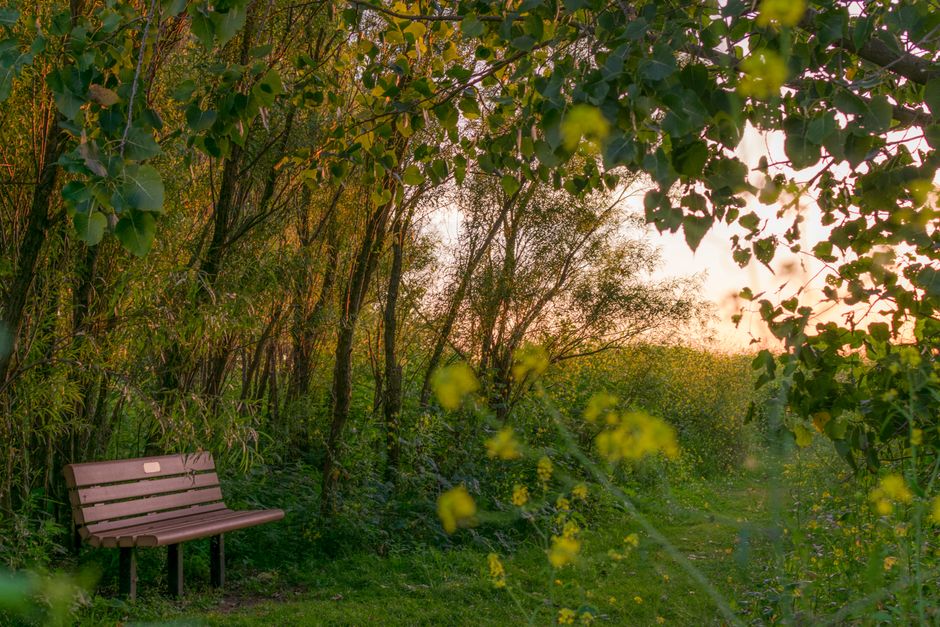
Barber Park sits just northeast of downtown, and unless you're a local or specifically researching float trips, you've probably never heard of it. The park exists almost entirely around the Boise River float culture—something that's genuinely central to how people here spend summer but barely registers with tourists.
The park itself isn't flashy. There's a modest lawn, picnic areas, and a small beach. But if you time it right and grab an inner tube from the rental shop, you can float down the Boise River for about six miles—straight through the city and out into the foothills. It's absurdly fun and costs almost nothing. Even just sitting at the park watching groups of locals prepare for the float gives you a window into what Boise people actually do in summer, rather than what the tourism website thinks you want to see. The float season runs May through September, weather dependent, and the whole operation has that ramshackle, lived-in feel of something that's been done the same way for decades.
The Boise Foothills from Ridge Crest Drive
Camel's Back is the obvious hike. Everyone does it. So instead, I drove up Ridge Crest Drive—a narrow, winding road that climbs through the residential foothills northeast of downtown—and parked at various pull-outs to explore.
You get views of the city and the mountains without the crowds. There are several informal trails that branch off from parking areas, nothing heavily trafficked or marked. The hills are dry and open, covered in sagebrush and scattered pines. On a clear day you can see for miles. What struck me most was how close it feels—you're maybe 10 or 15 minutes by car from downtown, but it feels genuinely removed. Locals drive up here to clear their heads. There's no infrastructure, no gift shop, no posted hours. You just go up there and sit with the view.
The Idaho Penitentiary and the West's Stranger History
The Old Penitentiary sits on the edge of town, a massive sandstone compound that operated from 1872 to 1973. Most guidebooks mention it in passing. It deserves more attention as a genuinely unsettling look at 19th-century criminal justice and some wild actual history.
The place is now a museum, but it doesn't feel like one in the usual sense. You walk through cellblocks where people were actually held, solitary confinement units that are genuinely claustrophobic, and chapel spaces where men spent their last hours. The stories are the real draw—inmates who escaped, the architecture designed to crush spirits as well as contain bodies, the slow evolution of how people thought about punishment. It's not cheerful, but it's real in a way that most tourist experiences aren't. The location on the edge of the city makes it feel slightly removed, which adds to the effect. Go on a weekday morning if you can and you might be nearly alone.
The Owyhee Plaza Neighborhood and Its Slow Revival
Head south from downtown into the Owyhee Plaza area and you're in a neighborhood that's slowly reinventing itself without trying too hard. This isn't the manicured Basque Block—it's funkier, less finished, more genuinely in process.
There are vintage shops, small coffee places, bookstores, a few galleries, and restaurants that don't appear on most tourist lists. The neighborhood feels like it belongs to people who actually live here, not to the destination-version of the city. Walk around on a weekend afternoon and you'll see locals at the farmer's market during season, people in the vintage stores who seem to actually know the inventory, the kind of cross-section of a real place. It's the kind of neighborhood that gets gentrified eventually, but for now it still has a scrappy, working character. The buildings are older, the mix of uses is strange and unplanned, and it doesn't feel like it was designed for you to visit it.
The Basque Museum's Actual Artifacts
The Basque Block gets all the press—the restaurants, the cultural presence, the novelty of stumbling into what feels like a small Spanish neighborhood in Idaho. The Basque Museum sits right there in the middle of it, and most people walk past.
Inside, the actual exhibits tell the story of why there's a Basque community in Boise at all, and how they built something genuinely rooted here over generations. It's small but thorough—documents, photographs, traditional clothing, the kind of material history that explains a place rather than just celebrating it. You'll learn why Basque shepherds came to Idaho, how they stayed, how they built community in a place that wasn't expecting them. The building itself is historic, the museum isn't crowded, and the whole experience feels personal rather than packaged. It took me about an hour, but I understood something about Boise I wouldn't have otherwise.
Practical Notes From Someone Who Stayed Too Long
Boise works best if you give it time and stop checking the must-see list. Rent a car, get off the main roads, sit in parks on weekday mornings when locals are actually around. The weather is usually cooperative—dry and mild—even when you might expect it not to be.
The city doesn't present itself as a major destination, and that's precisely what makes it worth spending time in. There's no pressure to perform tourism here. Places stay local longer. Neighborhoods develop their own character before the algorithms find them. It's the kind of city where you might sit at a coffee shop and realize you've been there two hours, or take a random turn into the foothills and stumble into the best view you've seen all week. That's not a hidden gem. That's just what happens when you actually stop and look.