I landed at Tampa International on a humid Thursday afternoon with no real plan beyond "not Ybor City." Don't get me wrong—I'll hit the Cuban sandwiches and colonial architecture like everyone else. But I'd read enough think-pieces about the same five tourist blocks. So I rented a car, grabbed a coffee, and spent three days driving into the parts of Tampa that don't make the postcard rotation.
What struck me wasn't any single revelation. It was the texture of the place. Tampa sprawls. It's not compact like St. Augustine or contained like Key West. You have to work for it. But if you do—if you're willing to miss the big attractions and poke around neighborhoods where locals actually live—you find something stranger and more interesting than the curated experience.
Lettuce Lake Park and the Cypress Boardwalk
Most people heading into nature around Tampa think Busch Gardens or maybe the state parks an hour north. Lettuce Lake sits on the northeast edge of the city proper, maybe 15 minutes from downtown depending on traffic, and it's the kind of place that fills up with dog walkers and retirees on weekend mornings but feels genuinely forgotten by the cruise-ship crowd.
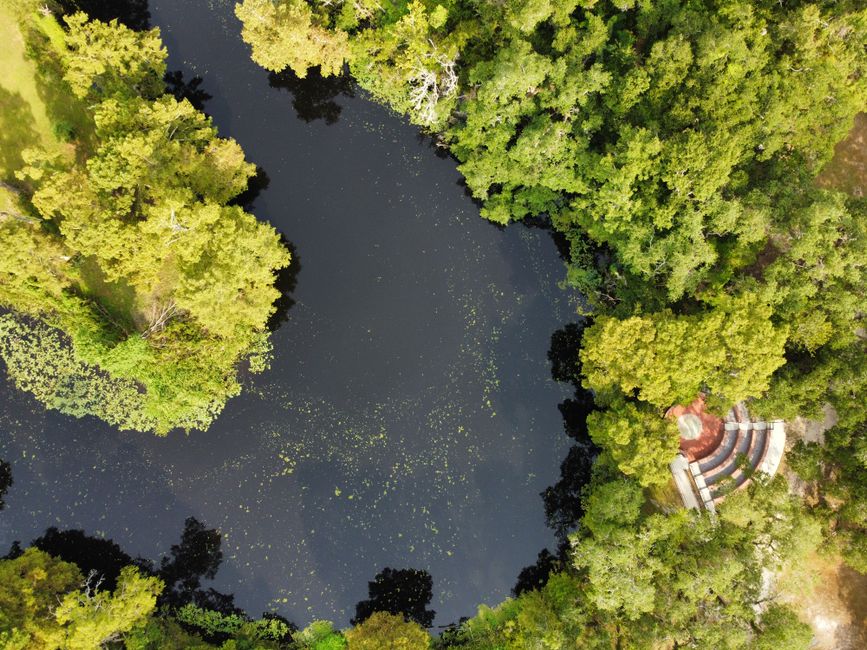
The main draw is a half-mile boardwalk that cuts into a cypress swamp. You're walking through actual wetland—not a paved nature trail with informational plaques, but the real thing. The water is dark and still. You'll see turtles, wading birds, and if you're quiet enough, maybe a gator basking in the shallows. On a weekday morning I had the boardwalk almost entirely to myself.
The park itself is large enough to lose an afternoon. There's a lake loop trail if you want more than just the boardwalk, picnic areas that don't feel overcrowded, and the kind of murky, undramatic Florida landscape that's more honest than the manicured tourist version. No admission fee. It's just open, the way a lot of older Tampa parks are—ungated, unmarketed, waiting.

The Ybor City Museum—and Why It's Better Than You'd Expect
I know I said skip Ybor. I meant skip the bars and the T-shirt shops. But the actual museum—housed in the old Ferlita bakery building on 19th Avenue—is worth an hour of your time, mostly because it doesn't feel like a tourist attraction at all. It's a local history space run by people who actually care about the subject.
Ybor's story is genuinely strange if you haven't heard it: a cigar-manufacturing boom in the 1890s brought Spanish, Cuban, and Italian immigrants to this swampy peninsula and created a thriving, multiethnic enclave that was basically self-contained. The museum doesn't oversell it. They just show you the photographs, the cigar molds, the stories of the families who worked the factories. There's a small gift shop with actual books, not merchandise.
Go early on a weekday if you can. Pay the modest admission. Spend time with the exhibits instead of rushing through. The museum staff will talk to you if you ask questions. It's the kind of local institution that survives on a shoestring and genuine community interest, not tourism revenue.
Cotanchobby Fort Park and the Hillsborough River Trails
The Hillsborough River runs through Tampa, and most people either miss it entirely or see it from a highway bridge. There are trail systems along the water that almost nobody talks about. Cotanchobby Fort Park (yes, the name is real and yes, people mispronounce it) sits on the north side of the river, accessible from the river trail system that connects several small parks in the area.
What you get is maybe two miles of walking path alongside actual river views—moss-hung trees, quiet water, the occasional fisherman. The park itself is small and unmanicured in a way that feels authentic. There's a reason it's quiet: it's not particularly easy to find if you're just passing through Tampa, and there's nothing flashy about it. No playground or amphitheater. Just green space, water, and shade.
The trail connects to other parks and greenways if you want to extend the walk. The whole system is part of Tampa's river restoration project, which is a practical thing done quietly, without the promotional energy of a branded "eco-tourism" destination. You can park for free. Bring water. Go early or late in the day when it's cooler and the light is better.

The Dali Museum in St. Petersburg (Yes, I'm Cheating, but Hear Me Out)
St. Petersburg is technically not Tampa, it's across the bay, maybe 20 minutes depending on traffic. But it's close enough that a lot of Tampa visitors miss it entirely, and the Dali Museum deserves mention because it's one of those places that actually justifies the admission price.
The building itself is architecture porn—a new wing with a wavy glass front that looks like something Dali might have imagined if he were designing a museum instead of painting it. Inside is the world's most comprehensive Dalí collection outside of Europe. If surrealism does nothing for you, skip it. But if you've got even a passing interest, spend the afternoon.
The locals I talked to in Tampa mentioned St. Petersburg kind of offhandedly, the way you'd mention a neighboring city you visit occasionally. There's a beach scene over there, some good restaurants, the Dali place. It's not hidden exactly, but it's removed enough from the Tampa tourist infrastructure that most people planning a Tampa visit don't think to add it on. Should they. Parking is easy. The museum isn't aggressively crowded.
Armature Works and the Edge of Ybor's Real Neighborhood
This one is a bit of a wildcard because it's both a semi-official food hall and an attempt to revitalize an old industrial building, which means it toes the line between "local gem" and "Instagram bait." But it's worth mentioning because it's one of the few places where you can actually eat well in Tampa proper without leaving the city center.
Armature Works occupies an old streetcar repair facility on the Ybor edge. They've built out vendor stalls inside—various restaurants and producers sharing the space. The food is legitimately good without being aggressively trendy. There are sometimes live music events. On a Saturday afternoon, it's busy but not claustrophobic, and you get a mix of tourists and locals, which is usually a decent sign.
The reason I'm including it isn't because it's hidden—it's not, it gets traffic—but because it's a functioning example of how Tampa is actually changing. It's not forced or oversold. People just work and eat there. Prices are reasonable. The beer selection is good. It's the kind of place where you can spend a couple of hours without feeling like you're performing a tourist experience.

Lowry Park and the Less-Crowded Parts of Northwest Tampa
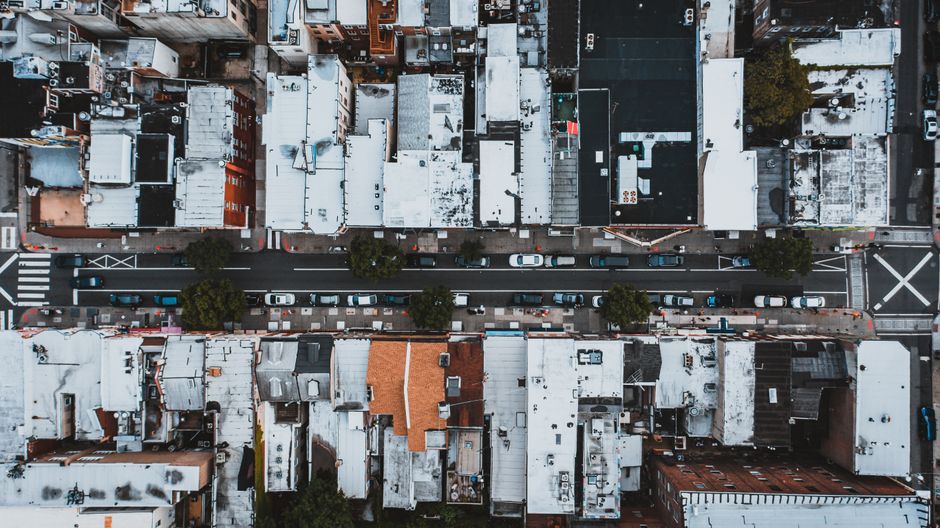
Lowry Park Zoo gets tourists, sure, but most visitors to Tampa don't venture into the neighborhoods surrounding it. The area north of the park—the residential streets, the old shops along Nebraska Avenue—has the texture of actual Tampa life. It's not wealthy, not particularly polished, but it's real in a way the tourist infrastructure isn't.
I spent a morning walking around here. There's a Puerto Rican bakery on Nebraska where the woman behind the counter barely looked up from her work, which is a good sign. There are small murals that aren't government-funded art installations, just local artists making things in their neighborhood. The houses are old and modest and have lived in them for decades. A few vintage shops, a couple of diners that have been in the same spot since the 1980s.
You won't find itineraries telling you to do this. There's no branded "neighborhood experience." It's just a place where people live. That's often the most interesting part of a city if you're willing to spend time there without expecting anything particular to happen.
Staying Long Enough to Find Your Own Spots
After three days, I realized the real difference between tourist Tampa and actual Tampa comes down to time. The places that show up in every article and guidebook serve a purpose—they're accessible, they deliver what they promise, they're photo-friendly. But if you're willing to stay longer than a weekend, to walk around without a specific destination, to eat lunch at a place that's not reviewing well on Instagram, you find something different.
I didn't discover anything revolutionary. No undiscovered beaches or secret restaurants that will blow your mind. What I found was a sprawling, unglamorous city that's more interesting the closer you look at the actual neighborhoods and local spaces instead of the packaged experience. That's worth knowing before you book your trip, because it changes how you should plan your time.