
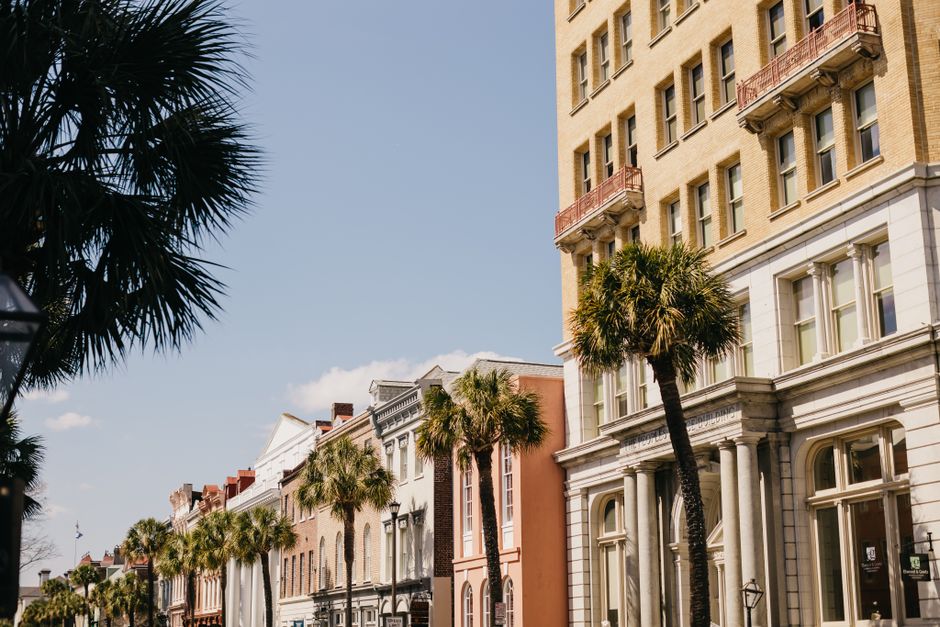
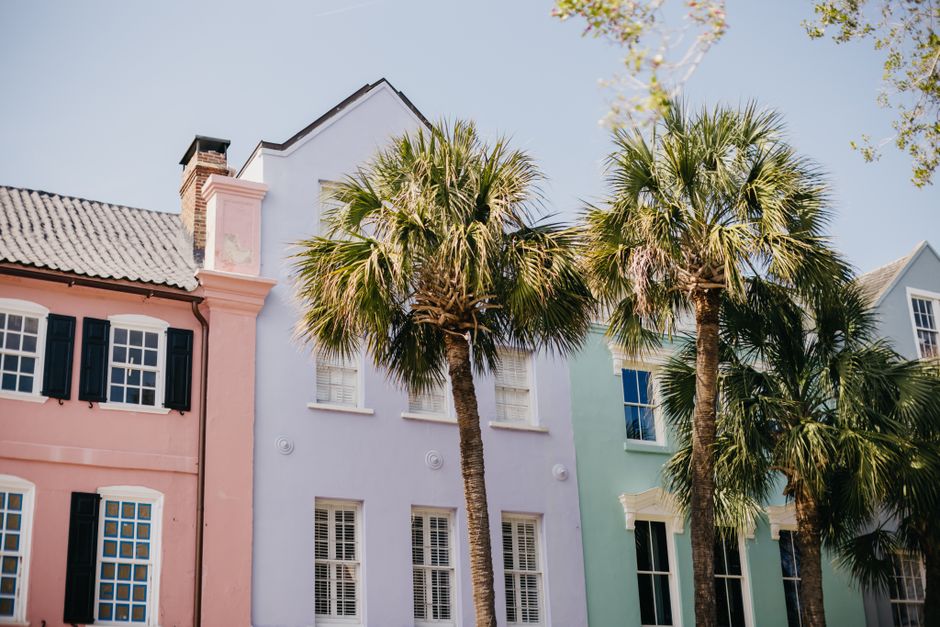
I showed up in Charleston on a Thursday afternoon with no real plan except to avoid the Historic District tourist traps everyone told me to book. That turned out to be good instinct. The city's got real neighborhoods beyond the Rainbow Row postcards—places where actual people live, where you can walk to dinner at 11 p.m. without feeling like you've wandered into a theme park. After three weeks moving between Airbnbs and talking to locals at coffee shops and dive bars, I figured out where travelers should actually stay.
Charles ton rewards the traveler willing to skip the obvious. Yes, the Historic District is beautiful. Yes, you'll probably visit it. But you don't need to live there. The neighborhoods I'm covering here give you a real city feel, genuine walkability, and nights that don't all feel the same.
South of Broad
South of Broad is for travelers with a little money to spend and a taste for refinement without the heavy hand of tourism. This is the old money part of Charleston—mansions with yards deep enough to lose a car in, quiet tree-lined streets, and the kind of silence that actually means something at 2 a.m.
You can walk almost anywhere here. The Battery is at the southern edge, giving you direct access to the water and the park. King Street shops and restaurants are a 10-minute walk north. The neighborhood feels safer at night than most American cities because it's been that way for 300 years; there's real money invested in making it stay that way. It's not threatening—just quiet and watch ful.
The trade-off is price. Nightly Airbnb rates in South of Broad run $200–$350 on average, sometimes higher in peak season. You're not paying for nightlife here. You're paying for space, old architecture, and the kind of neighborhood where you'll actually see the stars. If you want restaurant bars and late-night energy, you're walking or ubering elsewhere.

King Street and the Market Area
This is where the actual heartbeat of the city lives. King Street runs north–south through downtown, and the neighborhood wrapped around it—especially near the Market Hall—is where you get walkability, density, and the kind of street life that makes a city feel alive at any hour.
You can walk to dinner, drinks, live music, and grocery stores from almost any Airbnb here. The neighborhood isn't fancy; buildings are mixed ages, tourists and locals overlap constantly, and the sidewalks have a real used-in feel. That's precisely why it works. It's not precious. At night, the main commercial streets stay lit and populated. The side streets get quieter but not eerie.
Nightly rates usually run $120–$220, depending on exact location and season. You're closer to the action and paying less than South of Broad. The downside is street noise—you'll hear cars, sirens, and pedestrians if you're on a main drag. Book a second-floor unit on a quiet cross street and you'll be fine. The neighborhood isn't a high-crime area, but it has the normal density problems of any downtown—watch your stuff, don't leave your car unlocked, move with some awareness.
Cannon Street and the Eastside
If you want genuine neighborhood feel without pretense, the Eastside—particularly the Cannon Street corridor—is where you go. This is where local artists, young families, and people priced out of downtown are actually living. It's been gentrifying steadily for about five years, which means rents are rising but it hasn't yet lost its character.
You get walkability without it feeling forced. There are real restaurants and bars on Cannon and nearby streets, but they're not designed for tourists. You'll find coffee shops where people work all morning on laptops, dive bars where the bartender knows half the room, and a Saturday farmers market that feels like it might actually be there for food. The neighborhood has history—African American heritage runs deep here—and it shows in the architecture, the small churches, and the mix of old and new.
Nightly Airbnb rates run $100–$180, which is genuinely reasonable for Charleston. Safety at night is solid; it's not a neighborhood where you feel watched, just where you feel observed—part of the regular ecosystem. The only real caveat is that gentrification is active, which means some blocks are further along than others. Pick your specific listing carefully and check recent reviews from people who actually walked the area at night.
Upper King (including the Brew District)
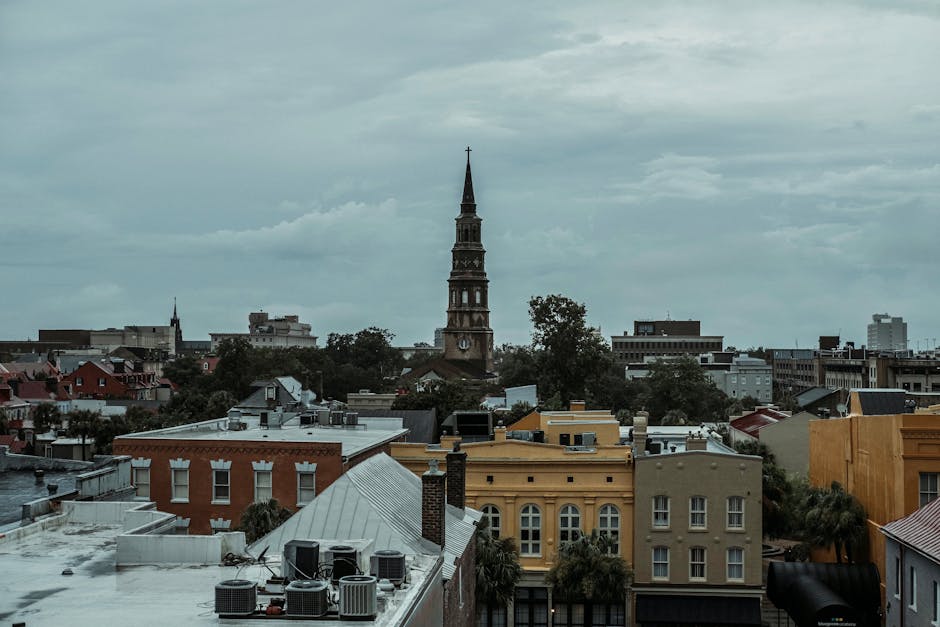
Upper King—the stretch north of Calhoun Street—has become the playground for people who want some nightlife and walkability without the Historic District's gravitational pull. The craft brewery scene anchors it, but the neighborhood has grown beyond that into something livelier.
Density is real here. You're blocks away from bars, restaurants, coffee shops, and other breweries. The walk to anything you need is maybe 15 minutes maximum. You'll encounter other tourists, sure, but the mix still feels like a real neighborhood trying to build something rather than a zone optimized for visitors. At night it's active without being rowdy—people spill onto sidewalks, there's music from a few venues, but it's not the deafening gauntlet of the Historic District.
Nightly rates run $130–$220 depending on how close to the main brewery cluster you are. Safety is good; the brewery and restaurant presence means consistent foot traffic and attention. The tradeoff is that on Friday and Saturday nights, you're dealing with the sound of other people having fun if your unit is on the main strips. But that's partly the appeal for people who want to be in the game rather than watching from a distance.
Wraggborough
Wraggborough—pronounced RAG-borough—is the neighborhood that makes locals defensive because they're watching it change faster than anywhere else in the city right now. It's north of downtown, technically outside the main tourist zone, and what you get is a strange mix of old working-class housing, new restaurants and bars that don't feel like they're trying too hard, and a real sense that something interesting is happening.
Walkability is good on the main streets and declining as you move into residential blocks, which is fine. You're not meant to walk everywhere constantly; you're meant to have a neighborhood base with a few destination blocks. The bar and restaurant scene is growing but still feels local—places opening because someone actually wants to live and work there, not because a real estate developer smelled opportunity.
Nightly Airbnb rates are the cheapest we're discussing: $85–$140 on average, with seasonal variation. Safety at night is decent, though it's less trafficked than downtown options, so you'll want to Uber or drive back to your place rather than midnight-stroll through quiet residential blocks. The neighborhood rewards exploration but doesn't force it. You get real Charleston living at prices that don't require you to justify the decision to your accountant.
Practical Things Worth Knowing
Book your Airbnb on the exact block if you can, not just the neighborhood. Read the last 10 reviews and look for comments about noise and foot traffic. If someone complains about sirens at 3 a.m., they're not making it up.
Charleston gets hot and humid April through September. Air conditioning that actually works is non-negotiable, not a feature. Check the listing photo carefully—some hosts photograph their units in unrealistic lighting.
Parking is a real problem downtown. If your Airbnb doesn't have dedicated parking and you're renting a car, you're either overpaying for street parking or spending your trip frustrated. Many visitors don't rent cars at all, which is reasonable—Uber is everywhere, though it's gotten pricey. Walking and occasional rideshare work fine for most people.
Price varies wildly by season. Summer is cheaper. Spring and fall are most expensive. Winter (except around holidays) is actually lovely and less crowded. The rates I've given are broad ranges; check actual listings for real numbers during your travel dates.
The Bottom Line
Charleston doesn't have a bad neighborhood for tourists among the ones I've covered. You're choosing based on vibe and budget. Want quiet and old money? South of Broad. Want downtown density and walkability? King Street. Want genuinely local without the gentrification glossy finish? Eastside. Want to be in the scene without the worst of it? Upper King. Want cheap and livable and willing to Uber sometimes? Wraggborough.
I spent my best night in Charleston at a bar on Cannon Street, talking to a painter and two people who worked in tech, all of whom lived in the neighborhood and had no plans to leave. That felt like the city I came for. You don't find that in the Historic District. You have to stay in a real neighborhood and be willing to walk around a little.



