Deciding where to live in Boston means choosing between four centuries of history packed into one of America’s most walkable cities — from gas-lit Beacon Hill lanes to the glass towers of the Seaport. Boston’s neighborhoods are compact, distinct, and fiercely local in identity, which makes the choice feel bigger than the mileage suggests. The stakes are real, too: the median single-family home in Greater Boston sold for $1,032,500 in April 2026, with the condo median at $750,000, according to the Greater Boston Association of REALTORS (Metro Realty). Here are 10 Boston neighborhoods worth your shortlist for 2026 — all inside Boston proper, verified against current relocation guides and market data.
TL;DR: Back Bay, Beacon Hill, and the North End are the classic answers for where to live in Boston if budget allows — brownstone elegance, postcard charm, and Italian food culture. Roslindale and South Boston offer the best relative value, Jamaica Plain suits families and outdoor lovers, and the Seaport draws young professionals. Expect Greater Boston prices around $1M for single-family homes.
10 Boston Neighborhoods to Consider for 2026
1. Back Bay
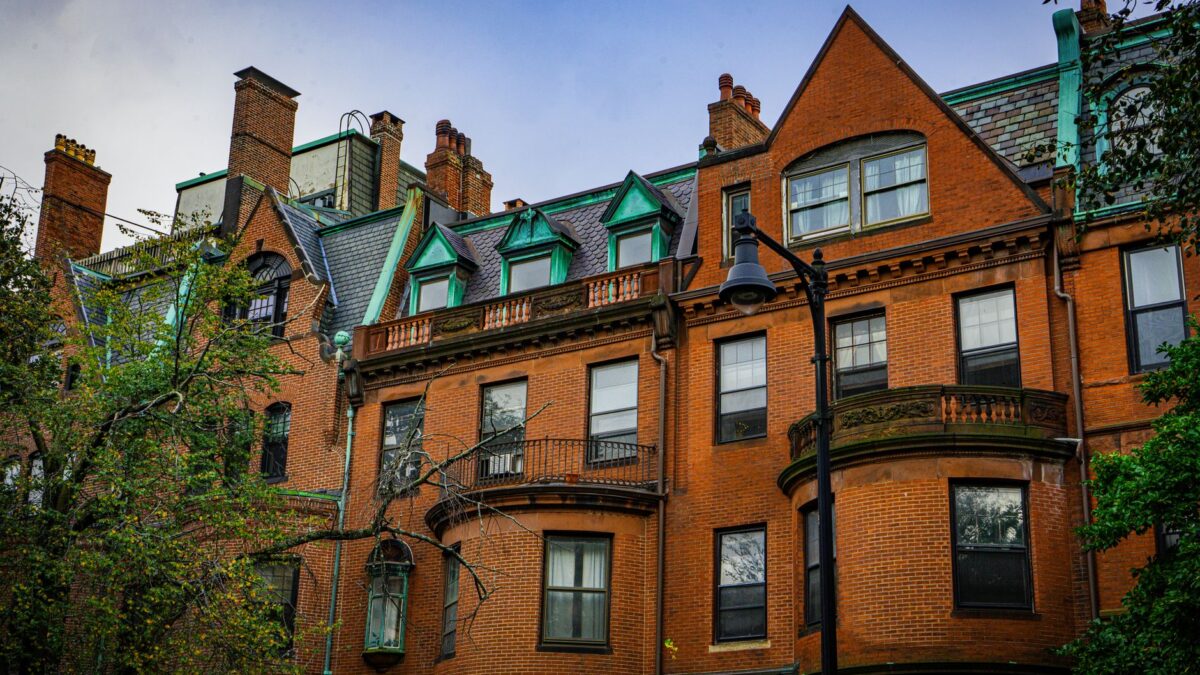
Back Bay is Boston’s grandest residential set piece: blocks of Victorian brownstones along Commonwealth Avenue’s mall, high-end shopping on Newbury Street, and cultural anchors like the Boston Public Library. A 2026 market ranking put its median home price around $1.3 million (Houzeo). It suits professionals who want walkability, classic architecture, and a front-row seat to city life.
2. Beacon Hill
Beacon Hill is the postcard — cobblestone streets, gas-lit lamps, and brick rowhouses climbing the hill beside the Massachusetts State House (TravelPander). It’s quieter than Back Bay and even more expensive, with a median home price near $1.9 million in 2026 data (Houzeo). For buyers who want historic charm above all else, nothing else in Boston compares.
3. North End
Boston’s oldest residential neighborhood is also its most delicious. The North End’s Italian heritage shows up in trattorias, bakeries, and cafes packed along narrow streets, with historic sites like the Paul Revere House and Old North Church around the corner (TravelPander). It’s compact, walkable, and beloved — and the feasts and festivals give it a community calendar few neighborhoods can match.
4. South End
The South End pairs Back Bay-style bowfront rowhouses with a distinctly artsier, more diverse energy. Galleries, a celebrated restaurant row, and a vibrant LGBTQ+ scene define its identity, and the tree-lined streets feel more residential than the name suggests. It draws culture lovers who want beauty and buzz in equal measure.
5. Charlestown
Across the Charles from downtown, Charlestown blends Revolutionary War history — the Bunker Hill Monument — with waterfront views and a fast-growing residential scene. A 2026 ranking put its median home price around $1 million, notably below Beacon Hill and Back Bay (Houzeo). Buyers get historic character plus relatively newer development near the water.
6. Jamaica Plain
“JP” offers a suburban feel inside city limits: generous green spaces, a strong community vibe, and appeal for families and outdoor lovers alike. One-bedroom rents run roughly $2,500–$2,900 (Uhomes). The main streets hum with independent shops and restaurants, and the parks make it one of Boston’s best bets for anyone who wants nature without leaving the city.
7. Seaport District
The Seaport is Boston’s newest neighborhood in spirit — modern apartment towers, waterfront views, and a bustling tech and innovation scene. It attracts young professionals with its contemporary housing stock, harbor walk, and concentration of new restaurants. Expect premium pricing for the newness, and a lifestyle built around the water.
8. Roslindale
Roslindale — “Rozzie” to locals — is one of Boston’s best value plays, with one-bedroom rents in the $1,800–$2,600 range (Uhomes). The village-style main street, farmers market, and strong neighborhood pride give it genuine charm, and the commuter rail connects it to downtown. First-time buyers and budget-conscious renters should look here first.
9. South Boston
Southie has evolved from working-class enclave to one of the city’s most in-demand young-professional addresses, while still offering relative value compared with Back Bay and the Seaport. The Broadway corridor, Castle Island’s waterfront loop, and quick Red Line access keep it lively and connected. It’s the pragmatic pick for renters who want energy without the premium price tag.
10. Fenway–Kenmore
Fenway–Kenmore revolves around its famous ballpark, but the neighborhood is more than game days: museums, the Back Bay Fens parkland, and a dense student population keep it youthful. One-bedroom rents run about $2,600–$2,900 (Uhomes). It’s ideal for students, medical workers, and anyone who wants culture and nightlife at the doorstep.
How to Decide Where to Live in Boston
First, respect the calendar: September 1st is Boston’s unofficial universal lease-turnover date, tied to the region’s huge student population, and the aftermath — discarded furniture lining the sidewalks — is locally known as “Allston Christmas” (Metro Realty). Avoid a September 1st move if you can. Second, budget for parking: garage spots run $200–$400 a month if your building lacks one. Third, use the T — the Orange and Green lines run through downtown, making car-free life realistic in the core neighborhoods (TravelPander). And if you’re new to the city, rent for a year first; Boston’s winter will tell you more about a neighborhood than any guide can.
Comparing East Coast options? See our Denver neighborhood guide and our Phoenix neighborhood guide for the same 2026 treatment.
Frequently asked questions
What is the best neighborhood in Boston for young professionals?
The Seaport, Back Bay, South Boston, and Jamaica Plain top most lists for singles and young professionals — a mix of nightlife, restaurants, and reasonable commutes to downtown and the universities (Extra Space Storage).
What is the most expensive neighborhood in Boston?
By 2026 market data, Downtown leads with a median home price around $2.2 million, followed by Beacon Hill at $1.9 million and Back Bay at $1.3 million (Houzeo).
Where is the most affordable place to live in Boston?
Within Boston proper, Roslindale and Dorchester offer the lowest rents — one-bedrooms from roughly $1,800–$2,600 in Roslindale (Uhomes). Expect longer commutes and fewer luxury amenities in exchange.
Why is September 1st such a big deal in Boston?
It’s the city’s unofficial universal moving day, driven by the academic calendar. Tens of thousands of leases turn over at once, movers book out months ahead, and the discarded furniture left behind earned the nickname “Allston Christmas” (Metro Realty).
Is Boston a walkable city?
Very. The core neighborhoods — Back Bay, Beacon Hill, the North End, downtown — are compact and pedestrian-friendly, and the Orange and Green subway lines run through the center (TravelPander). Many residents live comfortably without a car.
What is the median home price in Greater Boston?
As of April 2026, the median single-family home sold for $1,032,500 and the median condo for $750,000, per the Greater Boston Association of REALTORS (Metro Realty). Prices vary sharply by neighborhood.
Which Boston neighborhood is best for families?
Jamaica Plain is the standout for its parks and community feel; West Roxbury is known for good schools and a family-friendly environment. Roslindale offers a strong value alternative for family budgets.
Do I need a car in Boston?
Not in the core neighborhoods, where the T and walkability cover daily life. But if you bring one, budget $200–$400 a month for garage parking when your building doesn’t include a spot (Metro Realty).