
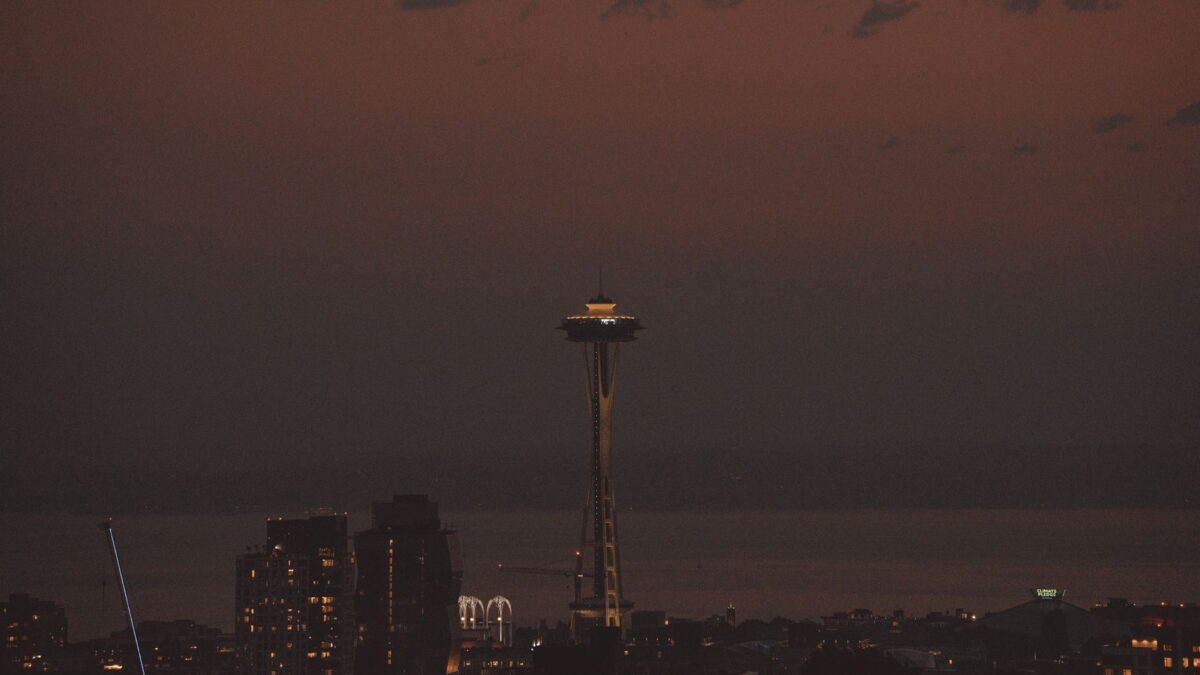
Choosing among the best neighborhoods in Seattle means choosing your version of the Pacific Northwest dream: hilltop views over Elliott Bay, brewery-lined avenues with working-waterfront character, or leafy blocks where the famous rain feels almost romantic. Seattle is a patchwork of distinct villages, each with its own rhythm and price point. With Zillow’s July 2026 index putting the typical Seattle home near $851,000 (The Move Genie), picking the right one matters more than ever. Here are 12 of the city’s strongest neighborhoods for 2026, verified against current guides and data.
TL;DR: Queen Anne, Ballard, and Capitol Hill top our 2026 list of the best neighborhoods in Seattle, for views, walkable food-and-brewery life, and nightlife. Families get Magnolia, Green Lake, and West Seattle; Beacon Hill and Columbia City offer the strongest value with light rail access. Seattle’s typical home value sat near $851,000 in July 2026, per Zillow data.
The 12 Best Neighborhoods in Seattle for 2026
1. Queen Anne
Queen Anne sits on a hilltop just north of downtown, known for sweeping skyline views and stately, tree-lined streets. Kerry Park’s famous viewpoint draws visitors, but residents get the everyday version — historic homes minutes from Seattle Center and the Space Needle, making it one of the city’s most consistently desirable addresses (Extra Space Storage).
2. Ballard
Ballard began as a separate city and still feels like one — a self-contained village with a preserved historic district, one of the region’s best-known farmers markets, and an eclectic mix of eateries, bars, and boutiques. Old Scandinavian fishing roots survive in the street names, while Ballard Avenue’s venues and breweries keep nights busy. It works equally well for young professionals and families (Extra Space Storage).
3. Capitol Hill
Described by local guides as “the city’s most walkable neighborhood by far” (The Move Genie), Capitol Hill is dense, electric, and arts-forward. It’s Seattle’s historic LGBTQ+ village and nightlife core, with the Pike/Pine corridor packed with bars and late-night food. Volunteer Park offers green relief, and the light rail station makes downtown commutes effortless.
4. Fremont
Fremont calls itself the Center of the Universe, and the quirk is the point. Public oddball art — most famously the Fremont Troll under the Aurora Bridge — sets the tone for a canal-adjacent neighborhood of independent shops, breweries, and the beloved Sunday Market. The Solstice Parade, Oktoberfest, and Theo Chocolate’s factory tours anchor the social calendar (Extra Space Storage).
5. West Seattle
West Seattle has a “peninsula-town feel with beach access and mountain views,” insular by geography (The Move Genie). The bridge to downtown means commutes can be unpredictable, but the payoff is Alki Beach sunsets and a relaxed village main street in the Junction. Families wanting breathing room inside city limits land here.
6. Wallingford
Just east of Fremont, Wallingford trades quirk for calm: a classic streetcar-suburb of craftsman homes and Gas Works Park’s iconic skyline views. The main drag along N 45th Street keeps daily life walkable, and the Burke-Gilman Trail serves bike commuters. It’s a favorite for buyers priced out of Queen Anne who still want a central, character-rich address.
7. Green Lake
Green Lake revolves around its namesake park — a 2.8-mile loop that functions as the neighborhood’s outdoor living room. Runners, rowers, and dog walkers share the path year-round, and the surrounding blocks mix bungalows, apartments, and small businesses. Guides flag it for convenience, amenities, and long-term appeal.
8. Magnolia
Magnolia is Seattle’s quiet corner: a bluff-top residential neighborhood wrapped by water on three sides, home to sprawling Discovery Park, the city’s largest green space. The vibe is decidedly suburban — big trees, winding streets, minimal through-traffic — which is exactly why families pay a premium to live here while staying inside city limits.
9. Beacon Hill
Beacon Hill is diverse, unpretentious, and well-connected, with Link light rail access at below-median prices (The Move Genie). The south-facing slopes catch more sun than most of Seattle, and the food scene reflects a genuinely multicultural population. For first-time buyers who need transit and value, it’s one of the smartest plays in the city.
10. Columbia City
Columbia City anchors the Rainier Valley with a landmark historic theater and one of Seattle’s most diverse dining scenes. The light rail runs through the neighborhood, putting downtown and the airport within easy reach. Housing costs sit well below the city median, making it a magnet for buyers and renters who want character and a real shot at ownership.
11. Phinney Ridge
Perched on the ridge above Ballard and Greenwood, Phinney Ridge is a quiet, village-like strip with its own main street and the beloved Woodland Park Zoo next door. The housing stock leans toward classic Seattle bungalows and craftsman homes on calm streets.
12. Ravenna
Tucked between the University District and Green Lake, Ravenna is a leafy residential pocket that flies under the radar. Ravenna Park’s ravine trails give it a surprisingly wild feel for an in-city neighborhood, and UW’s campus and transit are a short trip away. Buyers who want peace without isolation should put it on the shortlist.
How to Choose Your Seattle Neighborhood
Start with budget honesty: Seattle’s typical home value sat near $851,000 in July 2026, with typical rents around $2,238 a month, per Zillow data cited by The Move Genie. Beacon Hill and Columbia City sit below the median; Queen Anne and Magnolia sit well above it. Next, map your commute — the light rail corridors change what’s feasible. Finally, school assignments can shift block by block, so verify the assigned school for any specific address before making an offer.
Comparing West Coast options? Our guides to the best neighborhoods in Denver and the best neighborhoods in Salt Lake City use the same 2026 format.
Frequently asked questions
What is the best neighborhood in Seattle for families?
Magnolia, Green Lake, Queen Anne, and West Seattle are the classic family picks — good parks, strong community feel, and calm streets. Ballard and Wallingford suit families who want walkability and a livelier commercial scene.
Which Seattle neighborhood is the most walkable?
Capitol Hill, described by local guides as the city’s most walkable neighborhood by far. Dense housing, the Pike/Pine commercial core, and a light rail station mean many residents live comfortably without a car.
Where do young professionals live in Seattle?
Capitol Hill, Ballard, Fremont, and South Lake Union top the list for singles and young professionals — nightlife, restaurants, and short commutes to downtown and tech offices (Extra Space Storage).
What is the typical home price in Seattle?
Zillow’s Home Value Index put Seattle’s typical home price at $851,471 in July 2026, with typical rent at $2,238 per month (The Move Genie). Neighborhoods vary widely around that figure.
Is West Seattle too far from downtown?
It’s the trade-off the neighborhood is famous for: a peninsula-town feel and beach access in exchange for bridge-dependent commutes. Many West Seattleites simply plan their lives around the crossing.
Which Seattle neighborhood has the best views?
Queen Anne — Kerry Park’s skyline view is the city’s most photographed. Magnolia’s bluff-top streets and West Seattle’s Alki shoreline are strong runners-up.
Should I rent before buying in Seattle?
Yes, if you can. A year of renting lets you experience a neighborhood through a full gray winter, test the commute, and learn that school assignments can change block by block.
Is Seattle a good place to live in 2026?
For people who value outdoor access, a strong job market, and distinct neighborhood character, yes — but go in clear-eyed about cost. Most buyers need either a high income or a willingness to look at value neighborhoods like Beacon Hill and Columbia City.

One Comment