I landed in Boise on a Thursday evening expecting a quick mountain-town pass-through. That was three years and several return trips ago. The city sneaks up on you—it's got the bones of something genuinely livable without the pretense that's infected a lot of the Mountain West lately. If you're planning a stay here, where you plant yourself matters more than you'd think. Boise's neighborhoods have real personality, and some are infinitely better than others depending on what you came here to do.
I've spent enough nights in various Airbnbs across this city to have opinions, the kind that come from actually living in a place for a few days at a time rather than speed-dating it on a weekend. The neighborhoods I'm about to walk you through aren't interchangeable. Some you'll love immediately. Others might feel thin until you understand what they're actually for.
Downtown Boise: Walkable, Energetic, and Getting Pricier
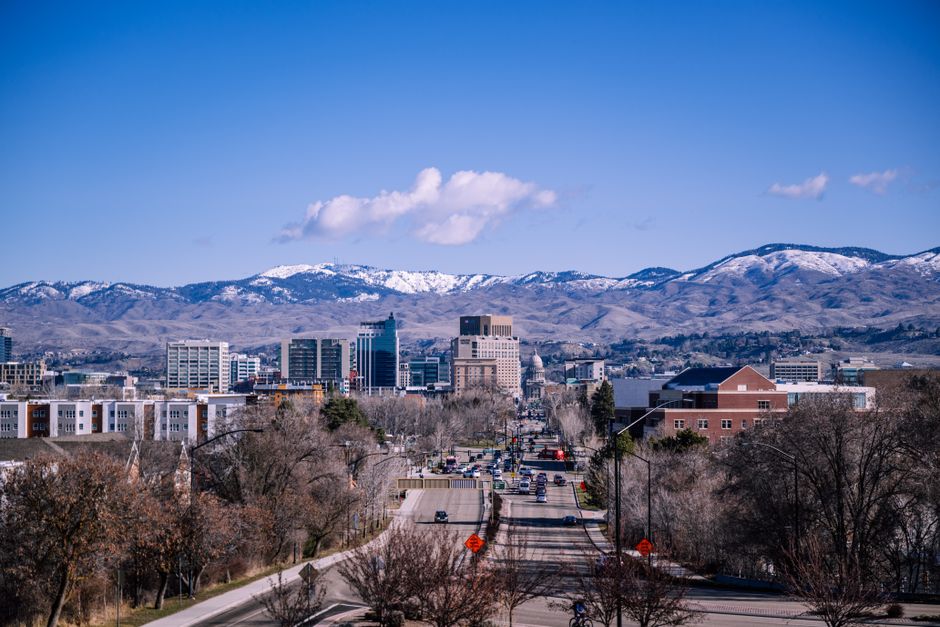
Downtown is the obvious choice, and for good reason. Main Street actually functions as a main street—cafes, bookstores, decent restaurants, the Basque Block spilling over with pintxos bars and txuleta joints. The Capitol building anchors the skyline without dominating it. At night, the area stays reasonably animated without sliding into total chaos.
Walkability here is genuine. You can reach Julia Davis Park on foot (the Boise Art Museum, Zoo, and various green space are worth an afternoon). The Basque Block is a 10-minute walk from downtown's core, which is a trip worth taking at least once—you'll understand why there's such a strong Basque community here, and the txoko-style bars feel genuinely different from the rest of the city's nightlife.
Safety at night is fine. Downtown has the standard urban foot traffic issues you'd find in any city this size, but it's not rough. I've walked these streets at midnight multiple times without incident. That said, you're in a city center, so common sense applies—stick to Main Street and the surrounding blocks, and be aware of your surroundings.
Nightly rates run $120–$200+ depending on the season and how close you are to Main Street proper. Summer pushes these numbers higher. The trade-off: you're paying for convenience and buzz, which matters if you're not renting a car.
North End: Hipster Without Being Insufferable
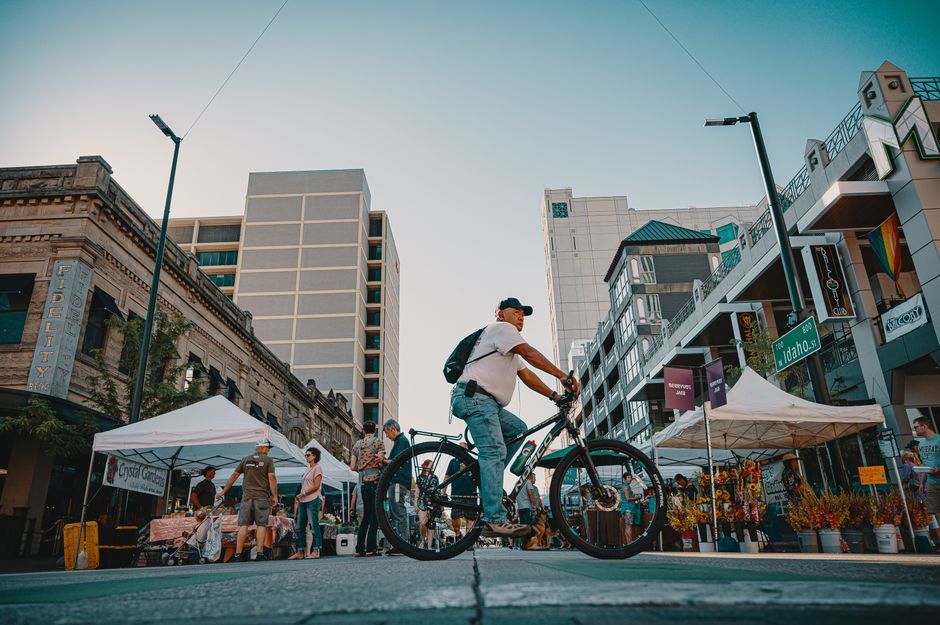
The North End is Boise's version of the neighborhood where creative people and young families are actually building something instead of just posturing about it. It's got old Craftsman homes, tree-lined streets, and an actual sense of community that doesn't feel manufactured for Instagram.
Viola's Pizzeria, The Basque Market, and various independent coffee spots cluster around 8th Street, which is the unofficial spine of the neighborhood. It's walkable but not pretentiously so—you're covering ground on actual neighborhood streets, not a curated commercial corridor. That's a better vibe if you want to feel like you're staying somewhere real.
The nightlife here is mellow but present. A few good bars, people sitting on porches on warm evenings, the kind of place where you can hear conversations happening. If you came to Boise to decompress, this works better than downtown. For safety, the North End is solid. Residential neighborhoods tend to be quieter at night—fewer eyes on the street, but also fewer problems.
Expect $90–$150 per night for a decent Airbnb. You're slightly outside the downtown premium zone, but close enough that most things are a short drive or a longer walk away. The neighborhood rewards actually sticking around for a few days instead of treating it like a hotel stop.
Boise Foothills: If You Came for the Mountains, Not the City
The Foothills neighborhood sits where the city starts blending into actual terrain. Larger properties, more space between houses, and immediate access to hiking trails that aren't watered-down urban parks. If you're coming to Boise specifically to get outside—to use the city as a base for Trail Creek, Bogus Basin, or the ridge runs that actually climb—this is the only neighborhood that makes sense.
Walkability is limited. This is a car neighborhood, and there's no pretending otherwise. The upside: you get genuine quiet, larger Airbnbs (good for groups), and you're literally 10 minutes from serious hiking. The trade-off is that the neighborhood doesn't have the convenient cluster of restaurants and bars that downtown or the North End offer.
Safety is excellent. Residential, established, the kind of place where nothing happens. Nightlife is essentially nonexistent—there aren't bars here worth mentioning. But if you're planning to spend your evenings on a porch with a book or watching the sun disappear behind the mountains, that's exactly right.
Nightly rates typically fall in the $100–$170 range, with some larger homes running higher. You're paying for space and proximity to trails rather than walkability. This neighborhood is underrated if you're traveling with a partner or small group and have a car.
South Boise (Near Camel's Back Park): Quieter Middle Ground
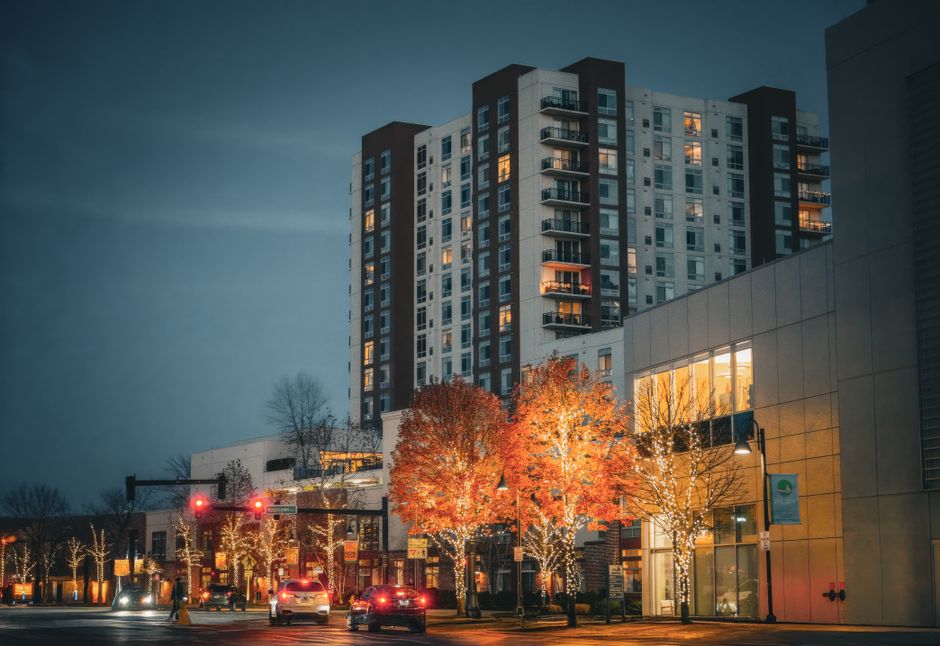
South Boise, particularly the area near Camel's Back Park, is where Boise residents actually live when they're not pretending to be cool downtown. Tree-heavy, genuinely calm, with a neighborhood park that's become the social hub in a way that feels organic instead of planned.
Walkability is moderate. You've got a few cafes and casual restaurants scattered through, but you're not going to stumble onto destination dining. That's fine if what you want is a place to come back to at night, with enough nearby options that you're not eating cereal for dinner. The Camel's Back area has some solid homes and a genuine neighborhood feel without the self-consciousness of other parts of town.
Nightlife is nonexistent in a way that's intentional and comfortable. People sit outside. There are neighborhood bars, but they're not where tourists go, which means they're actually good. Safety is very good—this is residential and established, the kind of neighborhood you notice Boise families choosing.
Expect $85–$140 per night. You're staying in a real neighborhood, not in a tourist zone, which means lower prices and a better sense of what actual Boise is. If you're staying more than a few days, this is often smarter than downtown.
The Bench (Near 13th Street): Underrated and Quieter
The Bench—named for its location on the bench of land above the Boise Valley—is maybe my favorite quiet neighborhood in the city. It's walkable enough, residential, and close to some solid restaurants and cafes without being fussy about it. 13th Street has actually become decent in the past few years without losing its neighborhood character.
What works about the Bench is the balance. You can walk to enough that you don't feel isolated, but it's quiet enough that you actually notice the quiet. The restaurants here tend to be places where locals eat, not places where tourists are herded. There's less bustle than downtown, but it doesn't feel like you've signed up for solitude.
Safety is good. Walkable at night without feeling sketchy. Nightlife exists but doesn't dominate—you can find a decent bar, but you're not swimming in options, which is maybe the point. This is the neighborhood for people who came to Boise to work remotely for a week or two, or to have a quieter version of what the city offers without completely checking out.
Nightly rates run $90–$150, with good availability across seasons. The Bench is where savvy visitors land when they understand what they're actually looking for. It's close enough to downtown and the North End that you can get there in 15 minutes, but far enough that you're living in an actual neighborhood instead of a tourism infrastructure.
Practical Things Before You Book
A few things I've learned the hard way: Boise fills up faster than outsiders expect, particularly May through September. If you're coming in summer, book early or accept that you're paying premium prices. Winter rates drop noticeably, which matters if you're flexible on dates.
Renting a car matters more in Boise than other cities of comparable size, depending on your neighborhood choice. Downtown and the North End work without one if you're willing to Uber occasionally. The Foothills, South Boise, and the Bench are all easier with a vehicle. Factor this into your budget.
The neighborhoods I've covered represent different versions of what Boise offers. Downtown if you want urban energy and walkability. North End if you want to feel like you're in an actual neighborhood without sacrificing convenience. Foothills if you came for the outdoor access. South Boise or the Bench if you want quiet without feeling stranded. Pick based on what you actually want from your time here, not based on what sounds best in a description.