
I rolled into Columbus on a Thursday without much of a plan, which is exactly how I like to travel through the Midwest. The city's got more texture than its reputation suggests—there's real neighborhoods here with their own rhythms, not just chain hotels and a convention center. After spending time in five distinct areas, I figured out which ones actually make sense for the Airbnb crowd, depending on what you're after.
Columbus isn't small, but it's not overwhelmingly large either. You can cross most neighborhoods on foot in 20-30 minutes. What matters more than size is whether you pick a place where things are actually happening around you, where you feel safe walking at night, and where you're not overpaying just for a name. Here's what I found.
German Village: Charming, Walkable, Pricey
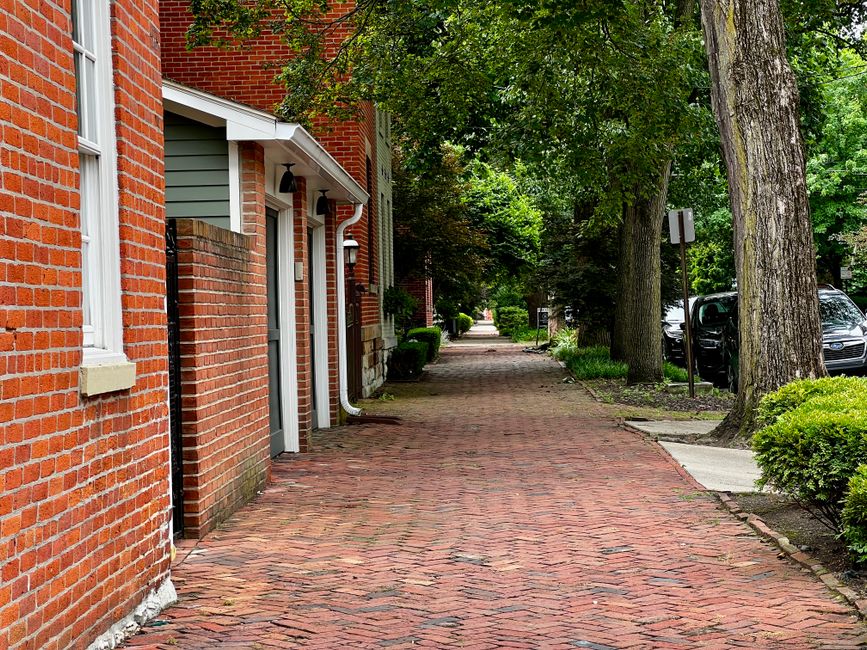
German Village is the Columbus neighborhood people photograph. Red-brick row houses, gas lamps, the Scioto River Park just beyond. It's gentrified as hell, and the prices reflect that, but there's a reason everyone wants to stay here.
Walkability is genuine. You can grab coffee, lunch, and dinner without leaving a six-block radius. The shops and galleries are the kind that actually get used by locals, not just tourists. High Street has restaurants ranging from casual to upscale. Saturday mornings, the neighborhood feels lively. Sunday afternoons, quieter but pleasant.
Safety at night is solid here. The area has foot traffic, good lighting, and a lot of eyes on the street. You won't feel nervous walking back to your place at midnight on a Friday. The trade-off is noise—you might hear people on the street outside your window if you're on a main block, especially Thursday through Saturday.
Expect to pay $120–$180 per night for a decent one-bedroom during off-season, more like $150–$220 in summer. It's the premium neighborhood in Columbus for a reason, and short-term rental owners know it.
Short North: Younger, Noisier, Consistently Active
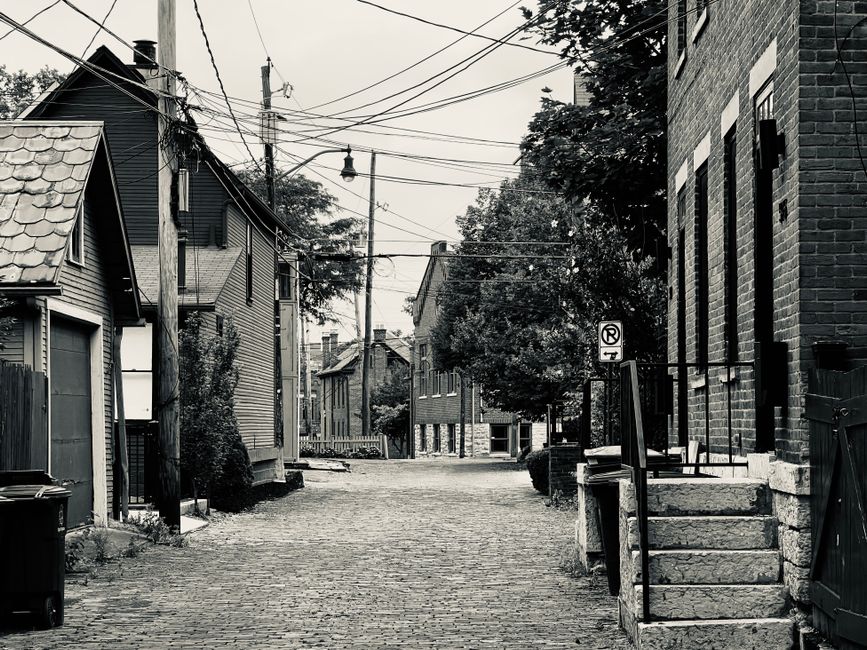
Short North is where Columbus goes when it wants to feel like a city. Gallery crawls on the first Saturday of every month, restaurants that people actually book ahead for, bars that fill up most nights. It's the neighborhood with the most concentrated energy.
Walkability is excellent. High Street runs north-south and most of what matters is within a few blocks. You can walk from a craft brewery to a ramen shop to a contemporary art gallery in about 15 minutes. The neighborhood skews younger—students, young professionals, artists—and there's usually something happening. It's not pretentious, but it's not low-key either.
Here's the thing about Short North at night: it's safe, but it's loud. If quiet is what you want, don't book here. Friday and Saturday nights, the bars are full, the streets are crowded, and you'll hear it if your window faces the street. Weeknights are calmer. The neighborhood has a decent police presence and foot traffic helps with safety, but the trade-off for the energy is accepting that you might not sleep before midnight on weekends.
Nightly rates typically run $90–$150 off-season, $130–$180 in summer. It's more affordable than German Village, partly because the noise thing isn't for everyone.
Grandview Heights: Residential but Close to Everything
Grandview is the neighborhood you don't hear about, which is its main selling point. It's a few blocks west of Short North, close enough that you can walk to all those restaurants and bars in five minutes, far enough that you're not sleeping above them.
The streets are quieter, tree-lined, with a mix of older homes and newer renovations. It feels more residential, less like you're in a nightlife district. You'll see families on weekends, people working in their yards. But it's not sleepy—there's a real neighborhood grocery, coffee shops, casual restaurants. The vibe is "working neighborhood" rather than "destination."
Walkability is good, not exceptional. Most things worth visiting are within 10-15 minutes on foot, but the neighborhood itself is quieter by design. Safety at night is solid. It's residential enough that crime isn't a real concern, and it's close enough to better-lit, busier areas that you're not stranded in darkness.
You'll find nightly rates around $85–$130 off-season, $110–$160 in peak summer. Grandview is the smart play if you want to be near the action but need somewhere peaceful to sleep.
University District (Near Ohio State): Young, Affordable, Mixed Bags
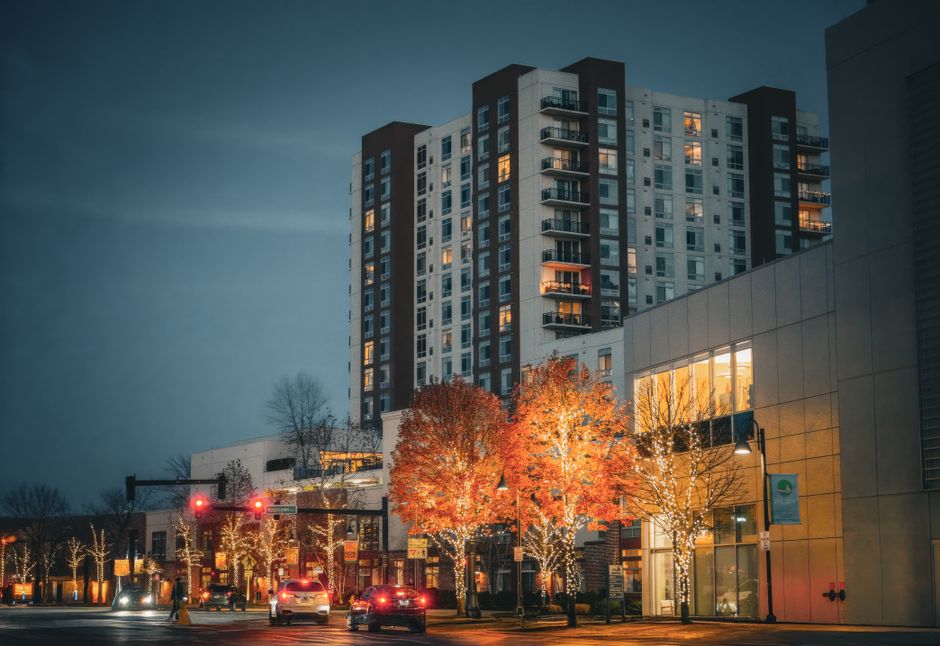
The area around Ohio State—roughly bounded by the campus and stretching into surrounding blocks—is cheap and chaotic in equal measure. Lots of student housing, cheap eats, bar-heavy nightlife. It works if you're young, don't mind crowds, and want maximum value for your money.
Walkability varies by block. The immediate campus perimeter is very walkable with food and shops everywhere. Get a few blocks away and it becomes more residential and sparser. The neighborhood doesn't feel cohesive the way German Village or Short North does.
Nightlife is a given. Bars cluster around High Street and the immediate campus area. Thursday nights things get loud. Friday and Saturday, it's wall-to-wall people. If you want to go out every night and don't care about waking up to quiet, this is efficient. If you want any peace, avoid it during the school year.
Safety at night in the immediate vicinity is generally okay due to crowds and police presence, but the perimeter areas and side streets vary. Use common sense, don't wander alone into dark blocks. Nightly rates are the lowest in Columbus—$70–$110 off-season, $100–$140 in summer. You're not paying for atmosphere here; you're paying to sleep cheaply before heading out.
Victorian Village: Quiet, Quirky, Overlooked
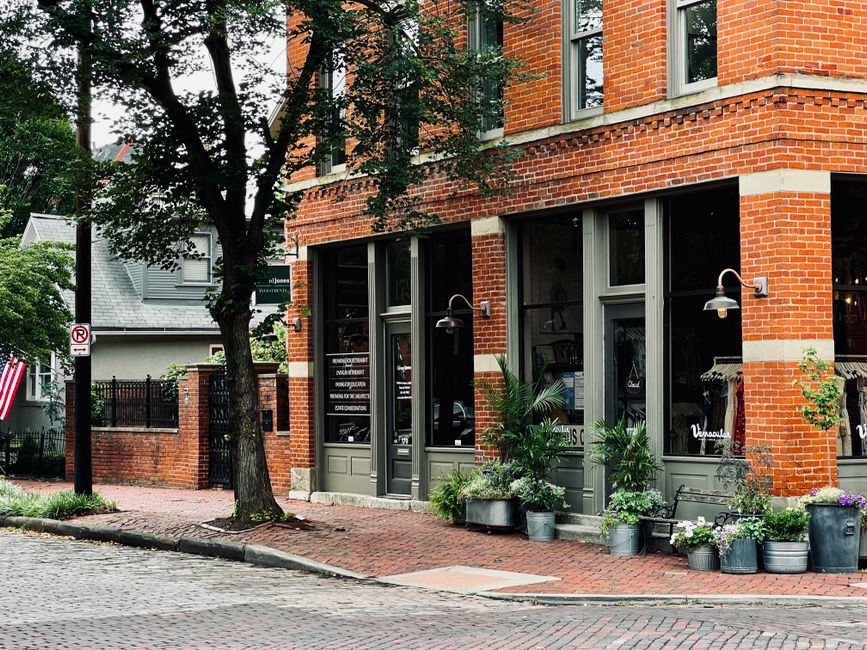
Victorian Village sits just east of downtown, bordered by High Street on the west. It's Columbus's hidden neighborhood—genuinely residential, full of Victorian homes converted to apartments and Airbnbs, but not a destination in itself. You come here to live, not necessarily to go out.
Walkability is moderate. It takes work to find things to do within the neighborhood itself. But the payoff is quiet. Real, deep quiet. You can sit on a porch or open your window without constant background noise. Walking around at night, you'll see old homes lit up, some students, some young families. It feels safe because foot traffic keeps it lit and people-aware.
The neighborhood has its own small parks, tree-lined streets, and a slower pace. There's a local coffee shop or two, but you're not going to find the restaurant concentration you get in Short North. That's the point. If you want to wake up in Columbus but spend your days exploring downtown, the Scioto Mile, or other neighborhoods, Victorian Village is a quiet base that's not expensive.
Nightly rates hover around $80–$120 off-season, $110–$150 in summer. You're paying for peace and authenticity, not nightlife or proximity to restaurants. It's the neighborhood for people who want to be in Columbus without being in the thick of it.
How to Actually Pick
Here's what I learned bouncing between these five neighborhoods: there's no single best area. It depends entirely on what kind of trip you're taking.
If you want the Columbus postcard experience and don't mind paying for it, German Village. If you want to be around energy and bars every night, Short North. If you want proximity to Short North without the noise, Grandview. If you're on a tight budget and want chaos, the university district. If you want quiet and authenticity, Victorian Village.
Check the specific listing's photos and read reviews from recent guests about noise levels and neighborhood feel. One Airbnb on a main street will be drastically different from one a block over. Look at the host's response rate and recent reviews—neighborhood reputation can change block by block, and current guests will tell you what you actually need to know.
Columbus is small enough that you won't regret any of these choices. But picking the right neighborhood makes the difference between a place to sleep and a place that actually shapes your experience in the city.


