
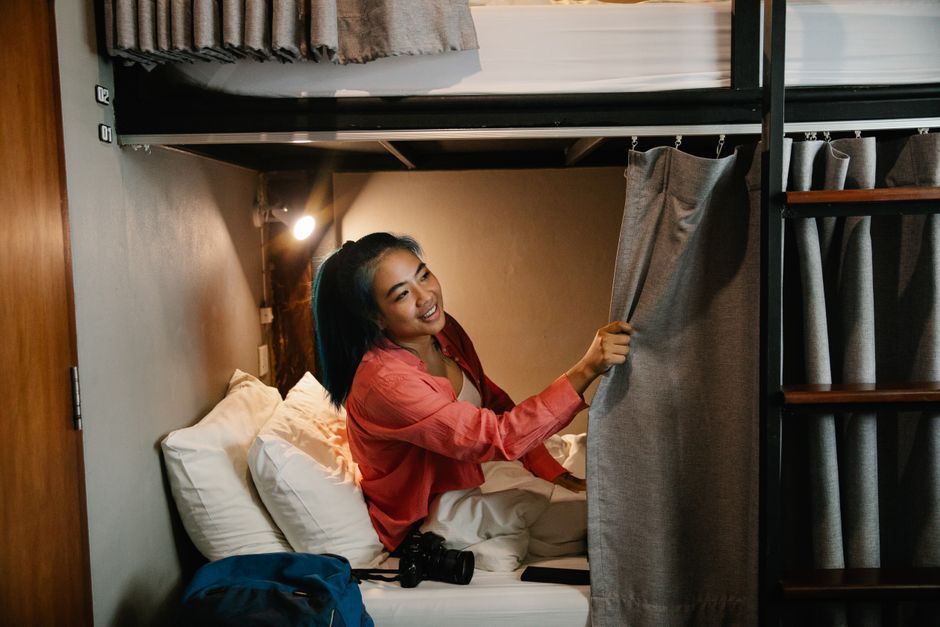
I rolled into Denver on a Tuesday afternoon with a tight budget and zero desire to blow half my daily spend on a hotel room. The good news: this city actually has legit options if you know where to look. You can find a decent dorm bed for under forty bucks, a private room for sixty, and more than a few places that won't make you question your life choices at 2 a.m. The trick is understanding where the real bargains sit, which neighborhoods actually have transit access, and which places are genuinely clean versus just cheap.
The Downtown Hostel Scene
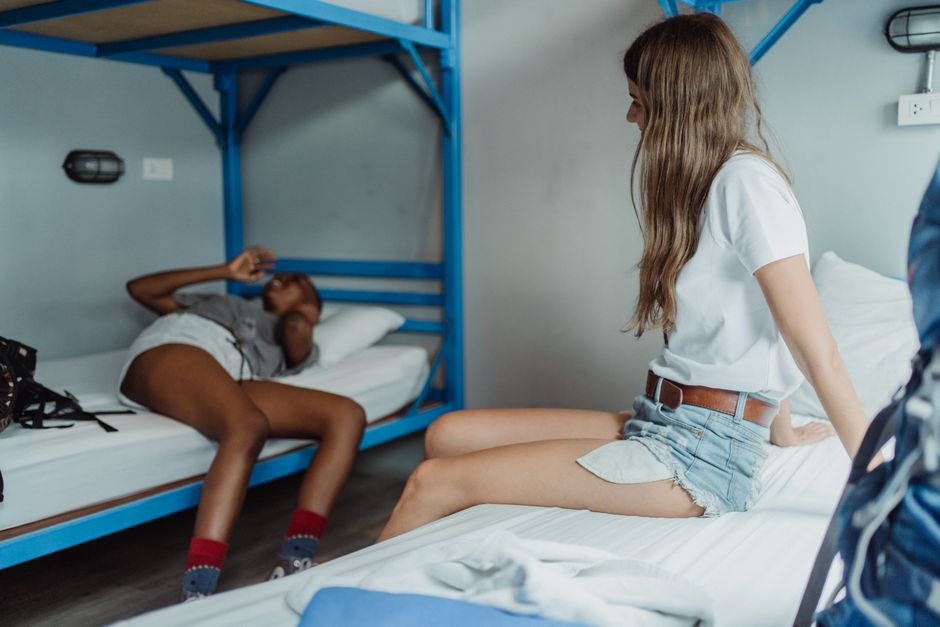
Denver's downtown hostels have a reputation for being the social hub, and for good reason. HI Denver Downtown Hostel sits right on Market Street near the 16th Street Mall, so you're basically in the thick of things. Dorm beds run around $30–$35 on slower nights, private rooms creep into the $55–$70 range. The place has a kitchen you can actually use, a common area where backpackers congregate, and staff who actually know what they're talking about. Cleanliness is solid—not sterile, but not gross either. Linens are included, which matters when you're counting pennies.
Besides the HI, there's Denver Central Market Hostel, which occupies a converted warehouse space in the RiNo district, a few miles north of downtown. It's funkier, cheaper (dorms closer to $25–$28), and pulls in more of a creative-type crowd. The whole vibe is less chain-hostel and more community project. Transit access is doable via the 38 or 44 bus routes, though walking downtown from here isn't practical. The kitchen is communal, the showers work, and you'll find people here who've actually spent time in the places you're planning to visit.
Budget Motels Worth Considering
Not everyone wants a hostel. If you need your own room but can't justify $100-plus, the motel corridor along South Federal Boulevard has legitimate options. These aren't trendy, they aren't designed by a Millennial with a design degree, but they're functional. You're looking at $45–$65 for a clean private room, sometimes with a kitchenette. The trade-off is location: South Federal is about four miles south of downtown, and while buses run along the corridor, you'll need to budget time for transit. That said, if you're renting a car or planning to use rideshare strategically, the savings add up fast.
The motels here range from older establishments that have been around since the 1970s to places that got renovated in the last decade. Some are genuinely clean; others are borderline. Check reviews carefully—not the Yelp stars, but the recent comments from people talking about mattress condition and hot water reliability. A few have weekly rates that drop the nightly cost even further, making them appealing if you're staying 5+ nights. WiFi is hit-or-miss; assume you won't have it and be pleasantly surprised if you do.
Capitol Hill's Mixed-Rate Options
Capitol Hill, Denver's most walkable neighborhood, sits about two miles south of downtown and is packed with bars, restaurants, and character. Budget rooms here cluster around $55–$80 for a private space, which is pricier than the South Federal motels but cheaper than downtown. The payoff is that you can walk to Pearl Street shops, grab breakfast at Watercourse Foods, and actually experience the neighborhood on foot without needing transit or a car every time you leave your room.
Several small motels and independent hotels operate in Capitol Hill, often locally owned and cheaper than chains. The rooms are basic but maintained. Parking can be tight and paid, which eats into savings if you have a car. But if you're doing Denver as a solo traveler using public transit and feet, Capitol Hill is worth the slight premium over South Federal because you're trading money for convenience and walkability—and that trade often pays for itself in saved transit fares and Ubers.

Extended-Stay and Non-Traditional Routes
If you're staying a week or longer, extended-stay motels flip the math entirely. Oak Street Studios and similar independent extended-stay operations offer weekly rates that can drop to $35–$45 per night, sometimes with kitchenettes included. These places cater to contractors, people between apartments, and long-term travelers. They're less social than hostels and less polished than hotels, but the per-night cost becomes genuinely unbeatable if you're committing to seven nights or more.
Another angle: Airbnb shared rooms in residential neighborhoods like Highlands or Congress Park run $30–$50 and pair you with a local who might actually recommend places tourists don't know. Quality varies wildly, and you're at the mercy of host reviews, but the upside is a kitchen and usually quieter surroundings than a hostel. The downside is you're staying farther from downtown and often need transit or a car.
Transit Matters More Than You Think
Here's the thing nobody wants to hear: a cheap room far from transit becomes expensive when you're adding $5–$8 per ride to get downtown daily. Denver's RTD (the bus and light rail system) offers a day pass for around $15, which is reasonable, but it adds up. The downtown hostels and Capitol Hill options have RTD access built in, so you're not paying transit premiums on top of a discounted room rate.
If you're choosing between a $35 dorm bed with free RTD access and a $30 motel room that requires two bus transfers or a rideshare to get anywhere, the math isn't as clean as it looks. Do the actual cost calculation for your specific plans, including transport. Many of Denver's budget hostels sell transit passes at slight discounts or bundle them into packages, which is worth asking about when you book.

Booking Timing and Rate Reality
Denver fills up fast during ski season (November–March) and summer weekends. If you're flexible on dates, weekday rates can be 20–30% cheaper than weekends. Most hostels and budget motels price dynamically, so Friday night might be $45 while Tuesday night is $28 for the same bed. Planning ahead helps, but Denver's market moves fast enough that last-minute deals happen too, especially mid-week in shoulder seasons.
Rates also spike around concerts at Red Rocks and Empower Field events (Broncos games). If you're visiting during these peaks, book early or plan to stay farther out and accept the transit cost. Late September through early October and January through February tend to be cheapest, though weather matters—Denver's altitude means it gets cold in winter, and that wind on South Federal Boulevard isn't pleasant.
Cleanliness and Safety: Real Talk
Budget doesn't mean dirty, but you should check recent reviews before committing. Read comments from the last two weeks specifically—not the five-star "clean!" reviews, but the detailed ones that mention specific things like "hot water works," "pillows are flat," or "staff replaced my sheets without asking." That's the review gold.
Safety-wise, downtown and Capitol Hill are well-trafficked and lit at night. South Federal is busier than it seems and generally fine, but it's more car-oriented and less walkable after dark. Use the same judgment you would in any city: don't leave valuables in your room, use the safe if available, and be aware of your surroundings. The hostel common areas are social enough that you're rarely alone, which some people find reassuring and others find exhausting.
Frequently Asked Questions
What's the cheapest hostel dorm bed in Denver right now?
Dorm beds in Denver hostels typically run $25–$40, with Denver Central Market Hostel on the lower end and HI Denver Downtown Hostel around $30–$35. Prices vary by day of week and season, so booking mid-week or during shoulder seasons yields better rates. Always check current rates directly rather than relying on outdated quotes.
Can you get a private room in Denver for under $60?
Yes. Budget motels on South Federal Boulevard and some Capitol Hill independents offer private rooms for $45–$60, though location is farther from downtown attractions. Hostels like Denver Central Market sometimes have private rooms starting around $50–$55. Extended-stay places drop rates further if you book 7+ nights.
Is RTD transit included with Denver hostels?
RTD passes are not automatically included, but many hostels sell discounted day or multi-day passes at the desk or bundle them into booking packages. Always ask when you reserve. A day pass costs around $15 if purchased separately.
What's the safest budget neighborhood to stay in Denver?
Downtown and Capitol Hill are both well-lit, walkable, and busy enough to feel safe at night. South Federal Boulevard is safe but more car-oriented and less pedestrian-friendly after dark. RiNo (where Denver Central Market Hostel is located) is up-and-coming and fine, though farther from most attractions and best navigated by transit or car.
Which place would you book?



