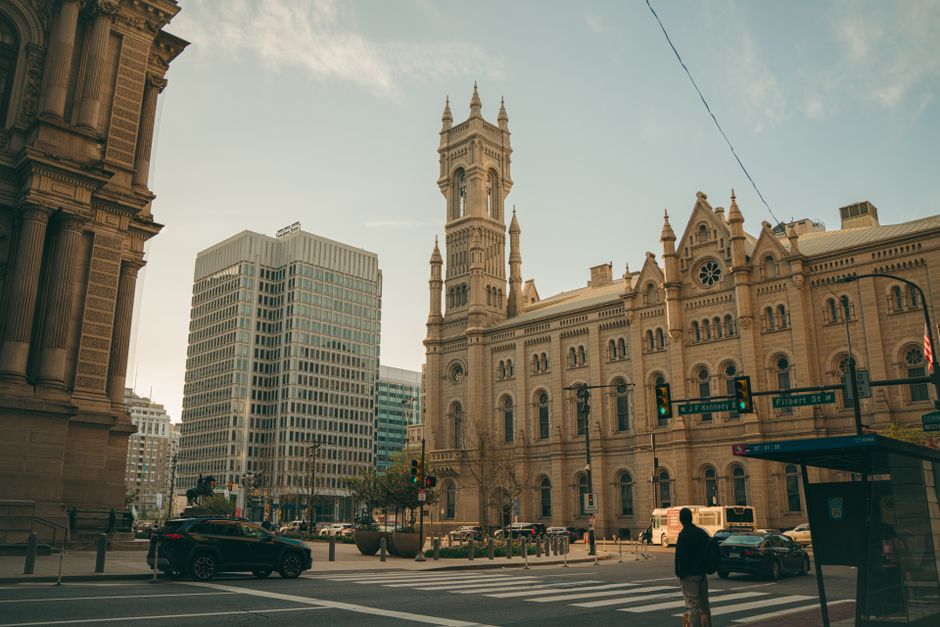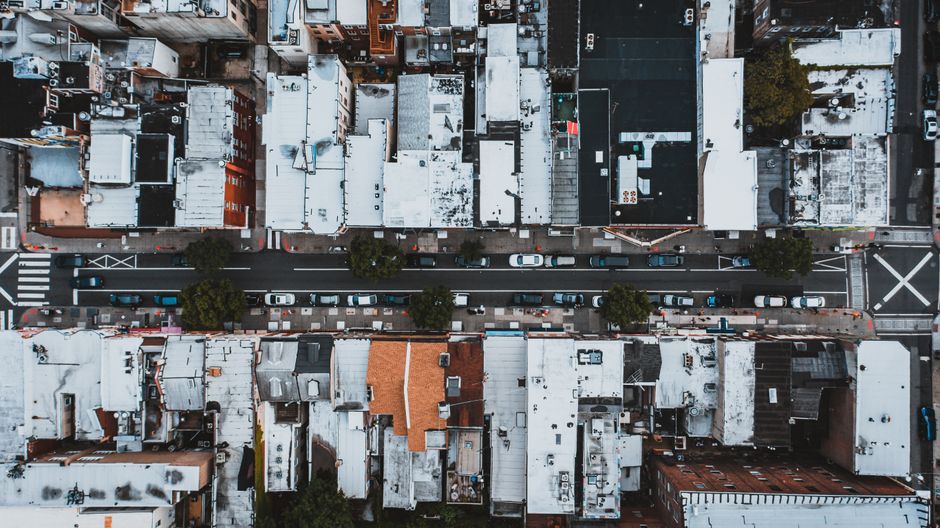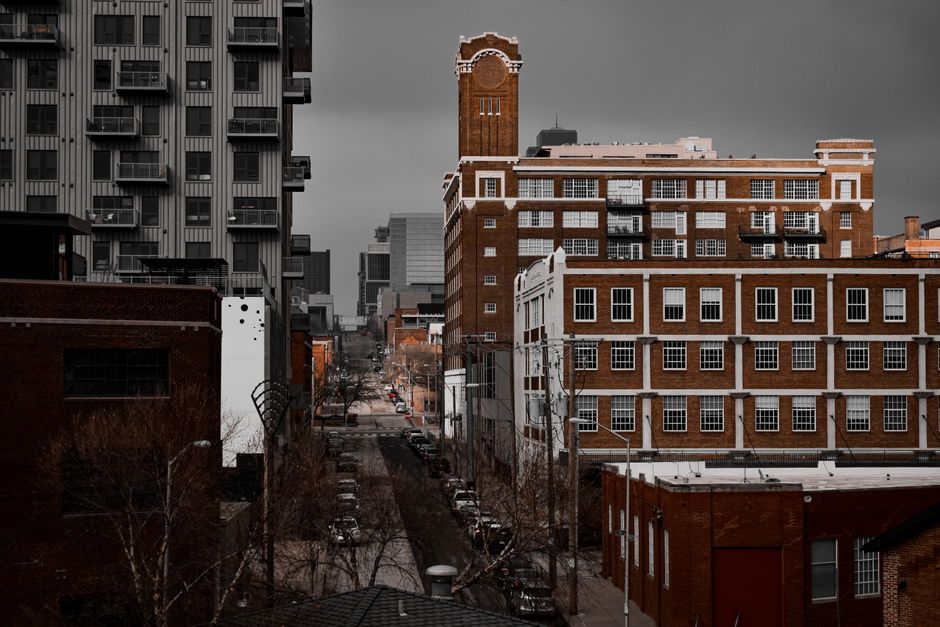
I landed in Kansas City on a Thursday evening and made the mistake of booking a random Airbnb in a part of town I didn't know. By Friday morning, I realized I'd chosen poorly—beautiful old building, but I had to drive everywhere, and the neighborhood felt hollowed out after dark. By weekend, I'd moved. That experience taught me what matters when you're spending money on a short-term rental: location matters more than the apartment itself.
Kansas City sprawls. Unlike a compact city where you can walk from one neighborhood to another in twenty minutes, KC requires strategy. The good news? Several pockets of the city have genuinely walkable blocks, actual nightlife or quiet courtyards depending on what you want, and enough infrastructure that you don't feel stranded. I've spent time in each of these neighborhoods, and I'll tell you straight what I'd actually book again.
Midtown: Art, Bars, and a Reason to Stay Put
Midtown has become the de facto base for visitors who don't want to overthink their stay. The neighborhood—loosely bounded by Troost and Main, running north-south—clusters galleries, restaurants, and bars in a genuinely walkable grid. Main Street's the spine, and on weekend afternoons you'll see foot traffic. Real foot traffic, not the performative kind.
The nightlife here is legitimate but not overwhelming. You can find live music on a Friday, a craft cocktail bar that doesn't require advance reservation, breweries that welcome solo travelers and groups alike. Westport, technically adjacent, bleeds into Midtown and cranks up louder—more of a Thursday-through-Saturday party energy. Midtown itself feels like a place where you could stay for a week and actually explore, not a place where you're just using your bed between club visits.
Nightly rates run $110–$200 depending on how close you are to Main Street and what the place actually offers. A decent one-bedroom, walk-up, pre-war building? Expect $140–$170. Safety is solid; I've walked around after 11 p.m. without feeling unsafe, though like anywhere, you're not wandering random alleys at 2 a.m. The neighborhood has improved steadily over the past decade, and it shows in the rental stock.
Crossroads: Industrial Cool with Real Edge
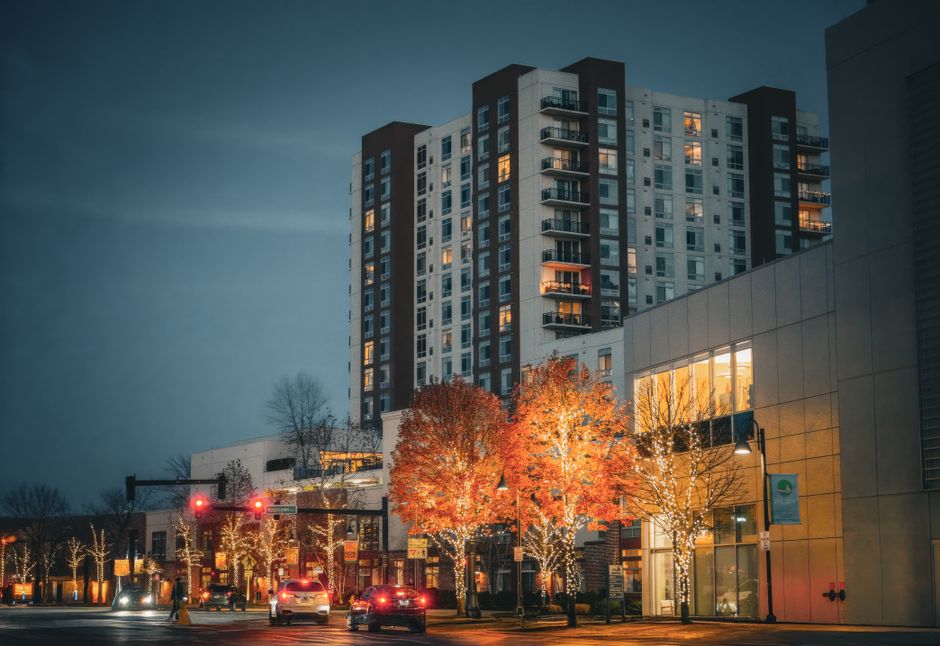
The Crossroads Arts District sits just north and east of downtown, built in old warehouses and marked by street art you can actually see from the sidewalk without having to take a guided tour. First Friday art walks draw crowds, galleries stay open late, and there's a loose, creative energy that feels less calculated than some neighborhoods.
The trade-off: it's grittier. Some blocks feel completely revitalized; others still have that industrial-vacancy vibe. Nightlife tilts younger and weirder—cocktail bars with minimal decor, experimental food spaces, live music that skews toward indie and electronic. Not for everyone, and definitely not for someone who needs everything Instagram-ready. But if you like neighborhoods that feel like actual places where actual artists live and work, not theme parks, this is it.
Pricing is lower than Midtown: $90–$150 per night for a solid rental. Safety depends which block you're on—the arts district proper feels fine, but the edges matter more here than they do in Midtown. Walk around in daylight first if you can. Walkability is moderate; you'll use rideshare some nights, especially if you venture to restaurants outside the immediate district. The core is walkable enough for a 2–3 night stay, but for a week, you'd want to rent a car or budget for transit.
Waldo: Quiet Blocks and an Actual Neighborhood Feel
Waldo is south of Midtown and feels like Kansas City before it decided to be trendy. It's residential, tree-lined, with vintage bungalows and a genuine mixed crowd—families, long-term renters, people who've lived here since the 1980s. Main Street runs through it with enough local spots (coffee, restaurants, bars) that you don't feel isolated, but the energy is low-key.
If your Airbnb stay goal is to live like a local rather than tourist, Waldo's your play. You'll walk to dinner, you might chat with people on the porch, you won't hear bass from clubs at midnight. The neighborhood was built for that kind of living. The flipside: nightlife is minimal. One or two decent bars, some restaurants. It's not a Saturday-night destination; it's a place to base yourself if you're working remote, or if you want to be close to Kansas City without being in it.
Rental prices are reasonable: $100–$160 per night. Safety is solid—it's residential enough that the streets feel populated. Walkability is good for what it is: groceries, bars, coffee shops, restaurants within a ten-minute walk of central Waldo. But you'll want to drive to midtown or Crossroads for actual nightlife.
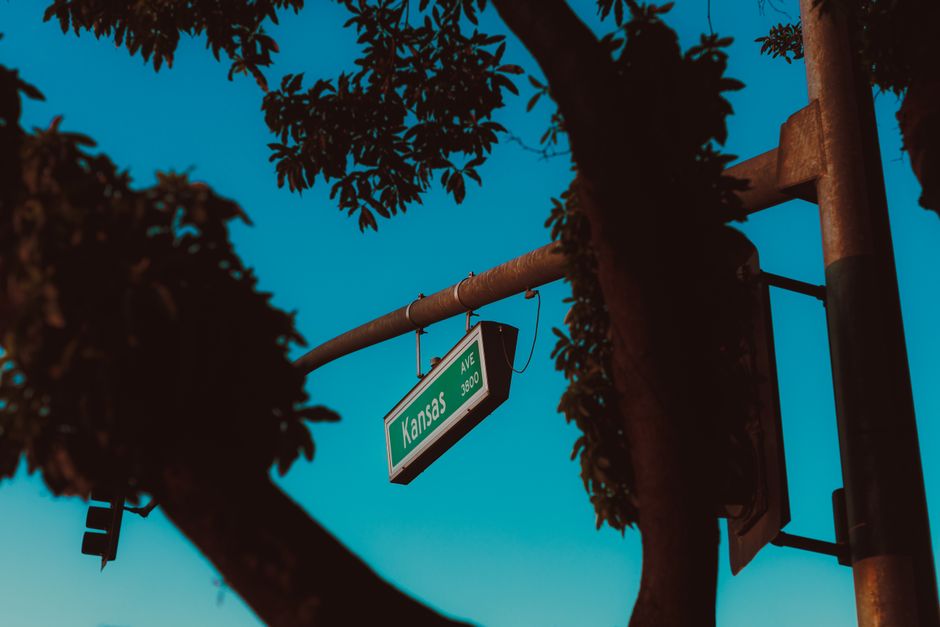
River Market: Tourist-Friendly, If That's Your Thing
River Market sits just north of downtown, anchored by the market building itself and a riverfront area that's been aggressively gentrified over the past decade. If you want the curated tourist experience—restaurants with some buzz, river views, walkable blocks, no surprise—this is it. It feels intentionally designed, which it is.
Nightlife is present but controlled. Bars and restaurants, sure. Live music venues. But it's all relatively polished and high-touch. If you're visiting for a long weekend and want to feel like you're downtown without dealing with any edge, River Market delivers. It's not pretentious, exactly, but it's confident. Families walk around during the day. At night, it's still populated enough that it feels safe, though less gritty than Crossroads.
Nightly rates: $130–$200. You're paying for location and the gentrification tax. Safety is excellent; it's well-lit and monitored. Walkability is good within the market area itself, but you'll need transit or rideshare if you want to go south to Midtown or west to Crossroads.
Westport: Nightlife Central (If You're Into That)
Westport, south of Midtown, is where you go if you want KC's concentrated nightlife scene. Multiple bars on a single block. Live music several nights a week. An actual bar crawl viable on a Friday or Saturday. It's been the party neighborhood for decades, and that reputation is earned.
The catch: it's loud. If you're looking for quiet, keep walking. On weekend nights, Westport feels rowdy in a college-town way, even though it's mostly people in their thirties. Some blocks are better than others—the core around Main and Westport Road is the thickest, but it radiates. You'll hear music and voices if you're renting nearby.
For a short stay where you want maximum entertainment density and you don't care about sleeping before midnight on Friday, it's efficient. Everything you need—bars, food, music—is there. For a week-long stay, you might get tired of the noise. Nightly rates run $100–$170. Safety is fine during the day and evening; after 1 a.m. on weekends, use rideshare. Walkability is excellent on the main strips, less so if you venture into the side blocks.
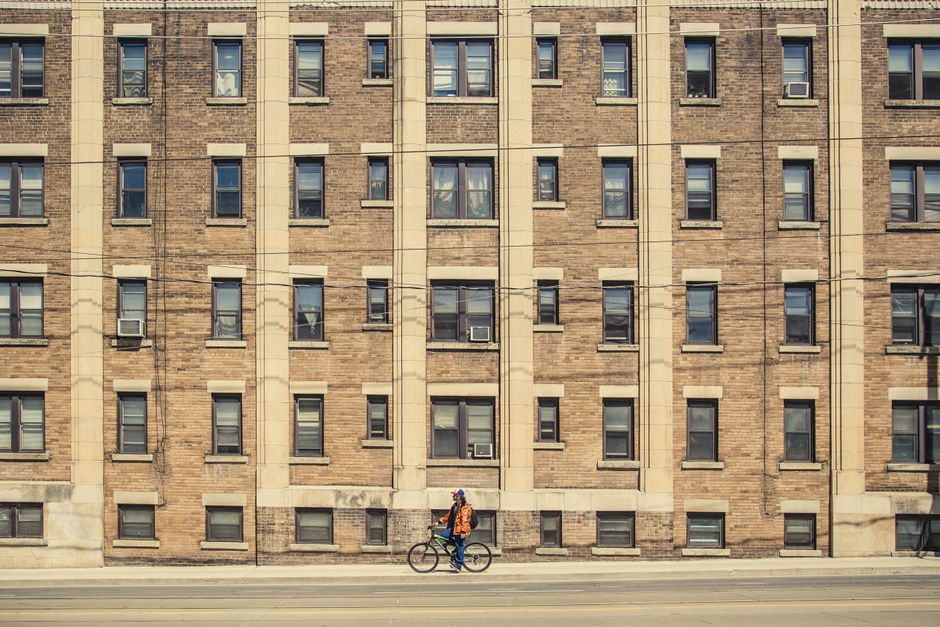
Making Your Choice
The neighborhood you pick should match what you're actually doing in Kansas City, not what you think Kansas City should be. Are you here for nightlife? Westport or Crossroads. Remote work or a quiet week? Waldo. Seeing the city without feeling like you're roughing it? River Market. Want the Goldilocks zone of walkability, nightlife, and livability? Midtown.
One practical note: book directly with landlords when you can, or read the reviews specifically for transit and neighborhood comments, not just "amazing space." A five-star apartment in a frustrating neighborhood will still frustrate you. And seriously, drive or walk the area in daylight before you commit if you can. Photos lie.