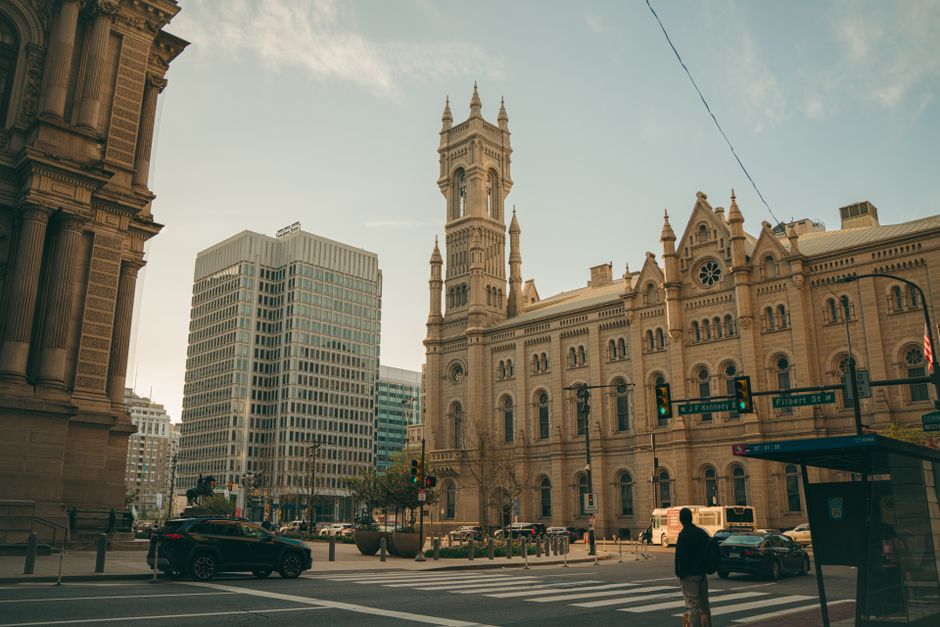
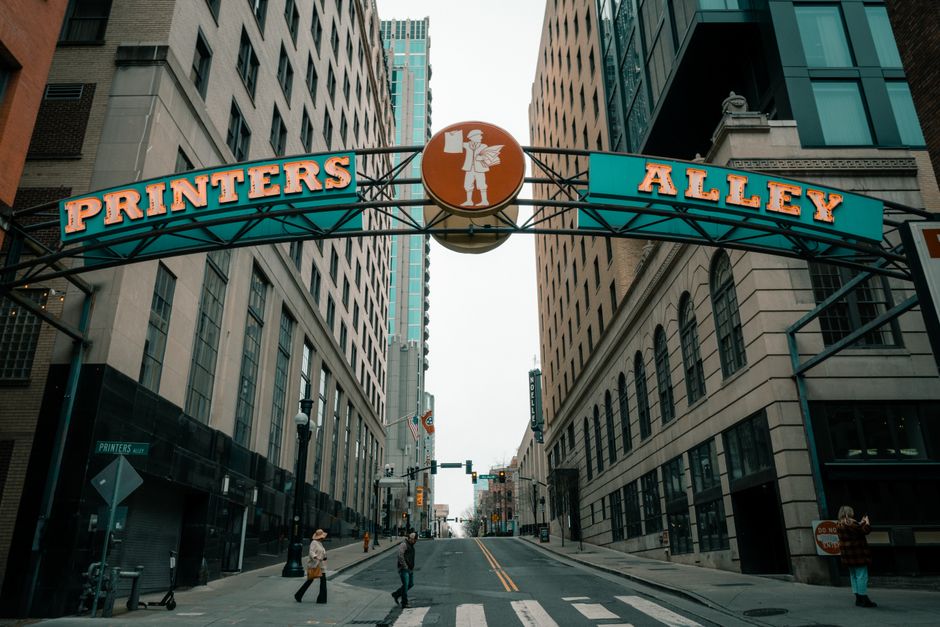
I showed up in Nashville on a Tuesday with two suitcases and zero regrets, stepping out of the rideshare into the kind of humidity that makes you understand why people stay put here. The first thing every visitor needs to figure out is where to actually stay—not the Instagram version, but the real thing. Midtown has the student bars. East Nashville has the cool-kid veneer. Broadway is where your earplugs go to die. After spending time walking these neighborhoods at different hours, talking to people at coffee shops and on patios, I can tell you which pockets actually work if you want to sleep and explore without losing your mind to noise or feeling unsafe after dark.
The Airbnb lottery in Nashville is real. You can book a place that looks fine in photos and end up next to a honky-tonk with a live band playing at 1 a.m. on a Tuesday. So let's be specific about what each neighborhood actually delivers.
The Gulch: Polished, Walkable, and Expensive
The Gulch is what you get when a neighborhood decides to stop apologizing. Chrome, glass, rooftop bars, and restaurants with minimalist plating. It's walkable in the best sense—you can get coffee, lunch, and dinner without moving your car, and the streetlights mean you won't feel like you're in a horror movie after 10 p.m.
Nightly rates run $150 to $300-plus depending on the size and finish. You're paying for proximity to everything and the general sense that the neighborhood is, well, happening. The trade-off is obvious: it's not quiet. But it's a managed kind of noise. The bars here cater to a slightly older crowd and folks with disposable income, so 2 a.m. isn't as chaotic as it is three blocks away on Broadway. Safety-wise, The Gulch is fine—plenty of foot traffic, good lighting, police presence. Your biggest risk is probably a bad cocktail menu, not a bad situation.
Walk south toward the Titans stadium and you'll hit quieter blocks. Walk north toward where The Gulch bleeds into Midtown and you'll find the rowdier edge. Pick your specific block carefully because the difference between a peaceful night and a sleepless one is sometimes one street over.
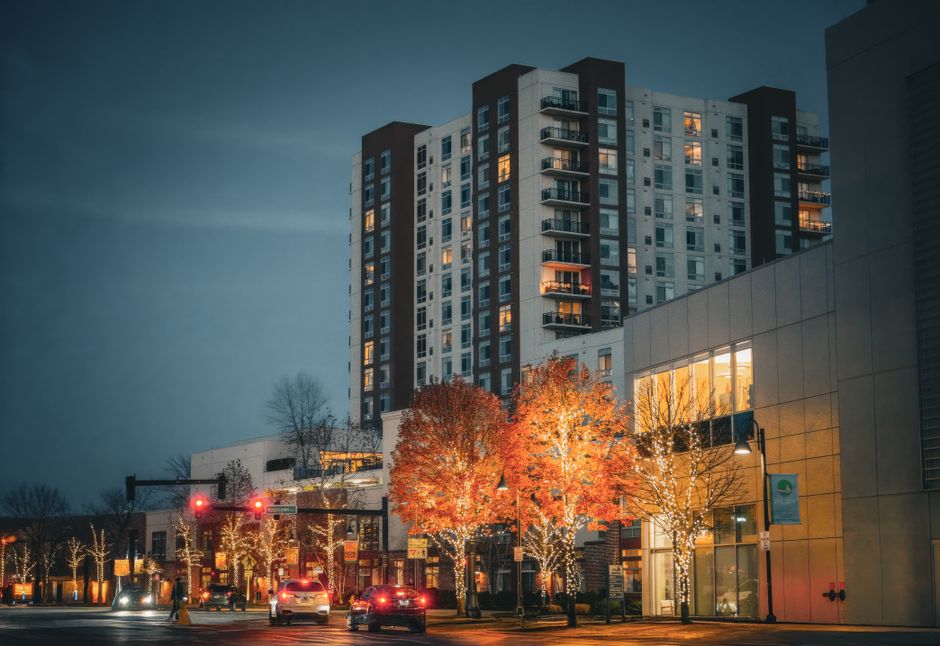
East Nashville: If You Want Actual Character
East Nashville has spent the last fifteen years becoming whatever version of "cool" makes sense for a given year. Five Points area has coffee shops that know what they're doing, bookstores, vintage places, and restaurants where the chef actually cares. Ellington has the live music venues. The whole east side has tree-canopied streets and vintage houses converted into something resembling a real neighborhood.
Walkability is solid if you're staying near Five Points or Gallatin Pike. You can walk to restaurants, bars, and coffee without feeling like you're on a mission. The neighborhoods feel lived-in. Nightly rates run $90 to $180 depending on how close you are to Five Points and whether the Airbnb host has done the full gentrification special or just basic maintenance. Safety at night is fine in the main areas, though like any neighborhood, you'll want to stay on well-lit streets. The noise level depends entirely on where you land. Three blocks from a venue is a very different experience than three blocks from a park. Ask questions before you book.
The real appeal of East Nashville is that it doesn't try. It has actual residents, actual bookstores, actual bars where nobody's performing for an audience. You'll see musicians but they're usually going to a gig, not playing for tips in a honky-tonk factory.
Midtown: Students, Music Students, and Musicians
Midtown sits between Vanderbilt University and downtown, which means it runs on a different energy than most of Nashville. Broadway is a few blocks away but doesn't dominate. Instead you get a mix of university-adjacent bars, small venues, and the kind of foot traffic that comes from people who actually live here and go to school here.
Walkability is good around 21st Avenue and Hillsboro Pike. You can walk to places without constantly calculating risk or distance. The neighborhood has actual streets, actual parks, actual neighborhoods within the neighborhood. Nightly rates run $80 to $160. You're not paying Gulch prices because it's not as polished, but you're not paying East Nashville prices either because Vanderbilt tuition means there's money here.
The trade-off is noise on weekends. Midtown bars are the "before" stops on the way to Broadway, and Friday and Saturday nights reflect that. During the week? Quiet enough. Safety is fine—well-lit, busy enough, standard precautions apply. If you can tolerate some noise on weekend nights and want to be near both the student scene and actual restaurants, Midtown works. Just don't expect it to be peaceful.

Germantown: Quieter, Cheaper, Still Close
Germantown is what happens when a neighborhood north of downtown decides it doesn't need to perform. One short main street with actual businesses that serve actual residents. German restaurants, dive bars, a coffee shop or two, a couple of small music venues that don't blast until 2 a.m. because they're not trying to compete with Broadway.
Walkability is genuinely good. You can walk the main strip in ten minutes and hit most of what's worth hitting. Beyond that, it's residential. Quiet residential. Nightly rates run $70 to $140. You're not in the tourist circuit, so prices reflect that. The venue owners and the restaurant folks know the people who come through, which means a completely different vibe than the chain-and-hustle atmosphere of downtown.
Safety is fine. It's quiet enough that it doesn't feel abandoned but busy enough that you won't feel isolated. The main trade-off is that you're a short rideshare away from everything else in Nashville rather than walking distance. If you want to be in a place that feels like an actual neighborhood rather than a theme park, and you don't mind using a car or a five-minute rideshare to get to the hot spots, Germantown punches above its weight. It's the neighborhood where you'll actually run into people who live in Nashville.
Wedgewood-Houston: Up-and-Coming Without the Apologies
Wedgewood-Houston is the part of the story where people who moved to Nashville five years ago decided to move next. Industrial buildings converted into studios and galleries, restaurants with real kitchens and real concepts, a growing music scene that isn't part of the tourist circuit.
Walkability is getting better and isn't there yet, depending on your exact block. Some parts feel genuinely walkable; others feel like you're still transitioning. Nightly rates run $80 to $150. You're getting a neighborhood that's actively becoming something rather than something that's already finished with itself. That's either exciting or unsettling depending on how you feel about half-finished stories.
Safety requires the normal urban logic—stick to main corridors, don't wander into isolated industrial blocks at midnight just to see where they go. Noise is minimal. Nightlife exists but it's not your nightlife unless you're actively seeking it out. The appeal is that it's actual Nashville happening right now, not Nashville as it decided to market itself. It's where you'll find musicians who play music because they play music, not because tourists pay for it.

Safety, Noise, and the Real Talk You Need
Nashville isn't dangerous, but it's worth being specific. Downtown and Broadway have concentrated tourist energy after 9 p.m. on weekends—meaning crowds, higher-volume chaos, and the kind of noise that wakes you up. The neighborhoods I've mentioned are safe in normal city terms: don't walk alone at 3 a.m. in unknown areas, be aware of your surroundings, use basic sense. Neighborhoods do vary block to block, especially in East Nashville and Wedgewood-Houston, where a street or two can shift the whole feeling.
Noise is the real variable. If you book near a venue or a main bar strip, you will hear it. Airbnb filters can't reliably tell you this because hosts describe what they want you to hear. Ask specifically in messages: "Is there a bar within 200 feet? How late does music play on weekends?" Most honest hosts will tell you. Some won't be honest. That's why neighborhoods matter more than individual listings—pick a neighborhood where the baseline is quiet and your odds improve.
Booking Strategy and What Actually Matters
Price and neighborhood don't always line up the way you'd expect. A cheaper place in The Gulch might cost more than a bigger place in Germantown because of location. A place listed as "near everything" might be near everything including a bar that doesn't close until 2 a.m. Read the reviews for mentions of noise. Read them specifically for the words "loud," "music," and "partying." If multiple people mention it, believe them. If nobody mentions it but the place is super cheap, there's probably a reason.
Spend a night walking the neighborhood at different times. If you're considering a place, visit it. Stand outside for fifteen minutes on a Friday night. Walk to the main streets and back. This takes maybe an hour and it's worth every minute because you're making a five to seven day commitment to a place based on photos and descriptions that are, by definition, incomplete.
Nashville is good at tourism and it's getting better at actually living like a city. The best neighborhoods for short-term rentals are the ones where you can do both without going crazy doing either.