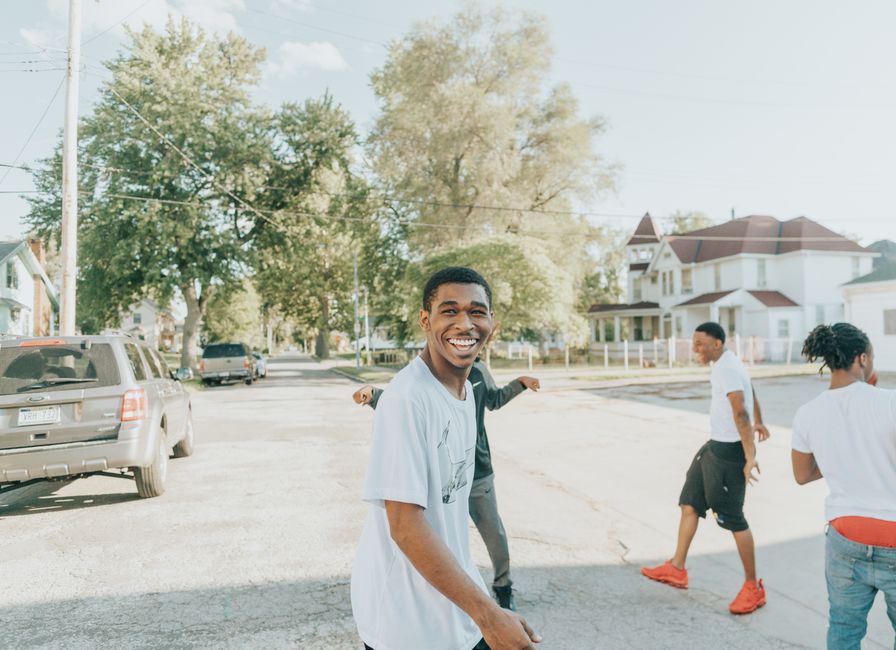
I arrived in Omaha on a Tuesday afternoon with a vague sense that I'd missed something obvious about the place. The flight was short, the rental car felt unnecessary almost immediately, and by the time I'd parked it, I realized the neighborhoods worth staying in are the ones where you don't need it at all.
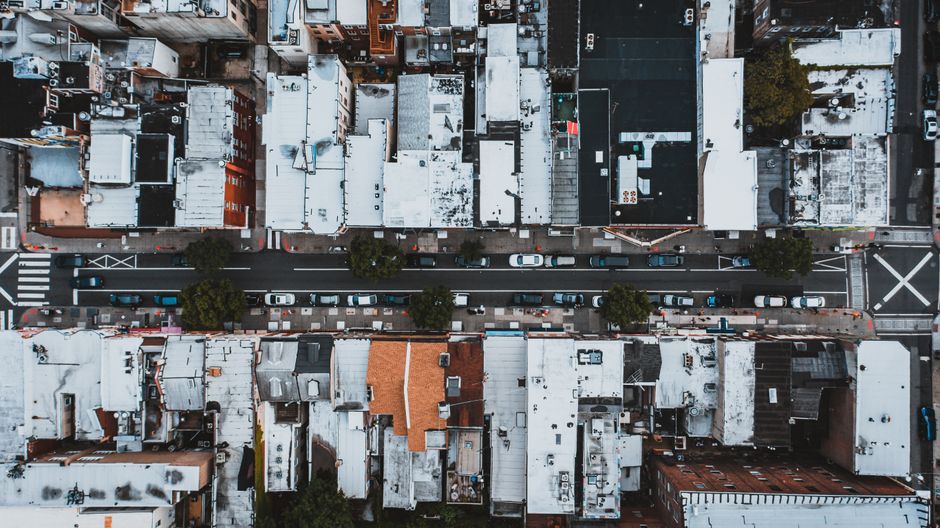
Omaha's not a sprawling mess—it's a city that clusters its good stuff, which makes picking an Airbnb actually straightforward. Unlike Denver or Austin, where you'll spend half your trip figuring out where the actual people are, Omaha hands you four or five strong neighborhoods and calls it a night. I've spent the better part of a week in each of them, eaten too many Drover burgers, and learned which blocks feel alive at midnight and which ones don't.
The Old Market: Compact, Touristy, Reliable
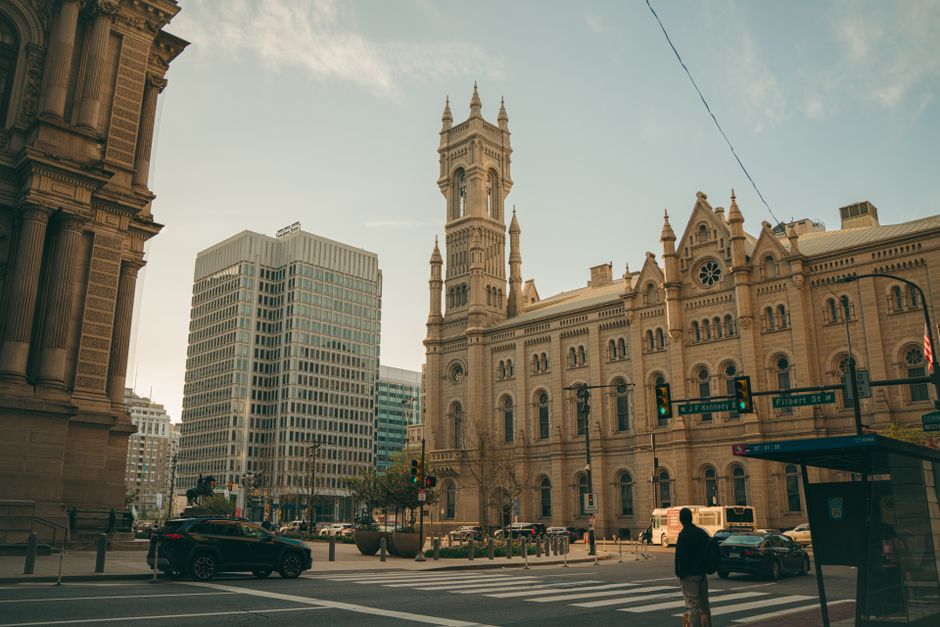
The Old Market is what everyone points to first, and they're not wrong. It's a brick-lined grid of 19th-century warehouse conversions wedged between the Missouri River and downtown, packed with galleries, restaurants, bars, and the kind of street life you actually notice. Walk it during the day and it's all farmers markets and families. Walk it at 11 p.m. on a Friday and you'll understand why people moved to Omaha in the first place.
Staying here means walkability isn't theoretical—it's your only option. You're never more than ten minutes from somewhere to eat or drink. The Saturday night crowd can feel a bit forced (bachelorette parties and people doing the Omaha tour-stop thing), but it clears out genuinely by midnight most nights, and Sunday mornings have a real neighborhood quiet to them.
Safety-wise, it's well-lit and consistent police presence. The vibe leans more collegiate than sketchy. Expect to pay $110–$180 a night for a decent one-bedroom, more if you're picky about exposed brick and shared courtyards. It's the no-brainer choice if you want to be where things happen without having to think about logistics.
Dundee: Actual Neighborhood, Actual Prices
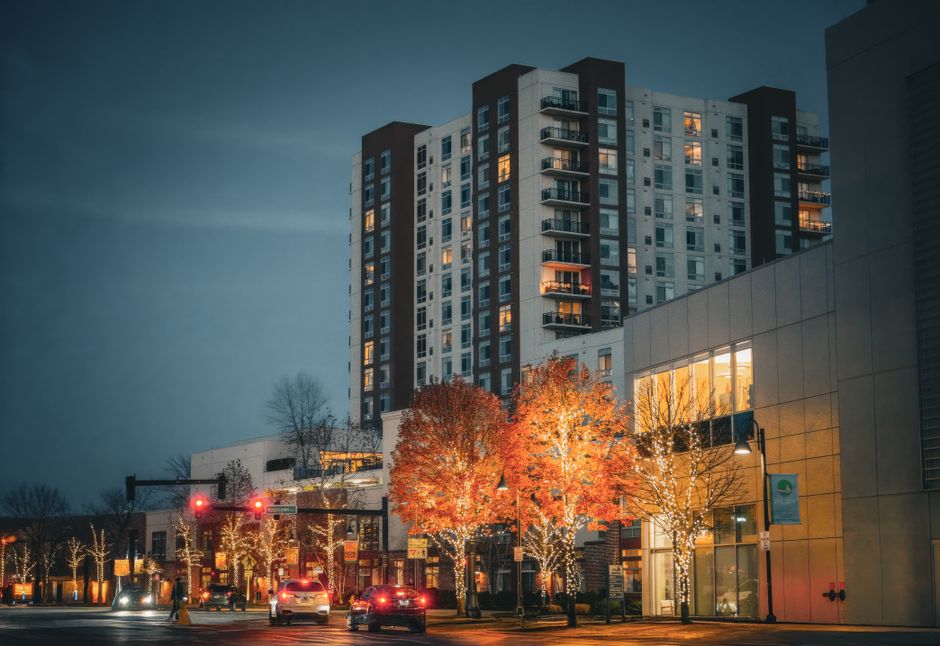
Dundee's about fifteen minutes west of downtown, strung along a couple of tree-lined blocks that feel like someone designed them specifically to host a good dinner. It's the kind of place that gets called "trendy" by people who moved there three years ago, and they're kind of right, but not in an obnoxious way.
You've got good restaurants (M's Pub, Omaha Prime, several solid coffee spots), a cinema that shows real movies, small bars where the bartender actually knows you by drink order after one visit. The neighborhood has that balance people claim to want but rarely find—busy enough to feel like something's happening, quiet enough that you can actually sleep. Tenth Street is the spine; if you stay within a few blocks of it, you can walk to almost everything that matters.
It skews quieter than the Old Market, which is the whole point. Families live here alongside young professionals, and the nightlife is more "let's get dinner and a drink" than "let's see how late we can stay out." The foot traffic drops significantly after 10 p.m., but the streets stay well-maintained and lit. Airbnbs run $85–$140 a night, and you'll actually get neighborhood feel for that money instead of a downtown hotel conversion. Good option if you're here to slow down a little.
Benson: Younger, Louder, More Spread Out
Benson's the neighborhood for people who think Dundee's too settled and the Old Market's too packaged. It's about twenty minutes north, a mixed-income area that's been gentrifying in real time—which means some blocks feel genuinely alive and others still feel like they're deciding what they want to be.
The good part: there's actual nightlife here. Bars stay open later, the crowd skews younger, and there's no one walking around with a clipboard checking boxes off a tourist list. Drover is here (legitimately good burger joint, not a Yelp trap), plus breweries and music venues that occasionally book things worth your time. The vibe is sketchier than Dundee in a way that's usually fine but occasionally requires basic street awareness. Most summer nights you'll see clusters of people out late, which creates a certain energy.
The bad part: it's not particularly walkable outside the core business district. You'll want to use transit or a bike if you're not driving. Some blocks are still pretty quiet at night. Not unsafe, exactly, but the neighborhood doesn't have that uniform "we've got this figured out" feel yet. Nightly rates are cheaper ($70–$120), which is the actual tradeoff here—less polish, more character, lower barrier to entry. Worth it if you like the energy but not if you want to leave your belongings in the Airbnb and feel comfortable about it.

Midtown: The Middle Ground Nobody Talks About
Midtown occupies the space between Dundee and downtown, centered roughly on Leavenworth and curated around smaller bars, vintage shops, and restaurants that try harder than they probably need to. It hasn't been "discovered" quite the way Dundee has, which might be the whole appeal.
The neighborhood's walkable in patches. Leavenworth's got foot traffic and activity; side streets less so. You're looking at a quieter experience than the Old Market but more actual neighborhood life than outer Dundee. The bars are smaller, the food's less predictable, and you'll see actual locals instead of people doing the deliberate Omaha experience. Safety's solid if you stick to the main corridors and use reasonable judgment about 2 a.m.
Airbnbs run $80–$135 a night. It's a legitimately good option if you want something between the highly packaged Old Market and the residential Dundee, with just enough nightlife to justify going out but not so much that you're on anyone's bachelor-party itinerary. The trade-off is that you'll do slightly more walking to get somewhere, and the neighborhood still feels like it's figuring itself out.
A Few Things Worth Knowing
Most Omaha Airbnbs are either converted downtown lofts or actual houses in these neighborhoods. The lofts have exposed brick and industrial bones; the houses have character and parking. Know which one you're booking—they feel completely different.
Winter changes everything. After November, most of these neighborhoods empty out significantly at night. Summer and early fall are when you get actual street life. Weekday nights are reliably quieter than weekends everywhere. The Old Market specifically gets a noticeably different crowd Friday through Sunday versus Monday through Thursday.
Parking varies. The Old Market has it but you'll pay. Dundee and Midtown have street parking that's usually fine. Benson's mixed—some areas are easy, others require circling. Check your specific listing's description rather than counting on general neighborhood info.
Don't overthink this. Omaha's safe overall, friendly, and compact enough that even a mediocre Airbnb location puts you within reasonable distance of things worth doing. The neighborhood difference is more about vibe than logistics.

The Real Bottom Line
Pick the Old Market if you want guaranteed nightlife and don't mind tourist vibes. Pick Dundee if you want to feel like you're actually living in a neighborhood for a few days. Pick Benson if you want cheaper rates and don't mind slightly less polish. Pick Midtown if you want something between Dundee and downtown without paying downtown prices.
I stayed longest in Dundee, which probably says something about my travel preferences. But I came back to the Old Market twice, not because it was the "best" but because sometimes you want to walk out your door and immediately be in the middle of something. Omaha's small enough that the neighborhood you pick matters less than knowing what you actually want from your stay.