
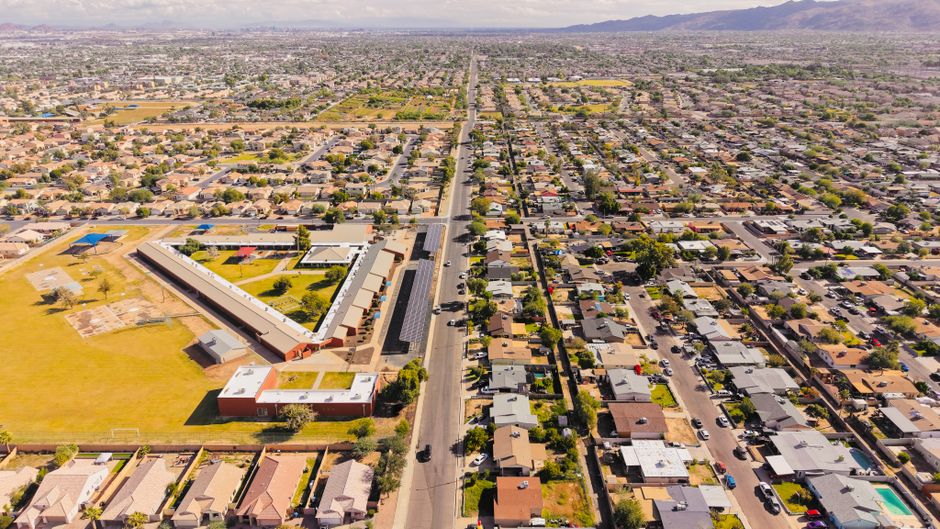
I showed up in Phoenix in late October expecting a quiet desert town and instead found myself in a sprawling metro area that somehow manages to feel both overgrown and oddly intimate. The airport drops you off miles from anything walkable, which immediately tells you something important: where you stay matters more here than in most cities. Phoenix isn't built on the grid of a century-old metropolis—it's a collection of distinct neighborhoods scattered across the valley, each with its own vibe and practical limitations.
After spending a few weeks rotating through different short-term rentals and talking to locals who actually live here year-round, I've sorted out which neighborhoods actually work for visitors versus which ones look better on Instagram than they feel on the ground. The walkability question isn't abstract here—Phoenix heat means long blocks without shade are genuinely brutal half the year, and even in winter, car-centric sprawl can kill a trip if you're not in the right spot.
Scottsdale: The Obvious Choice (And Why It's Actually Worth It)
Everyone tells you to book Scottsdale, and there's a reason it's not just hype. Old Town Scottsdale—the historic core centered roughly around Main Street—is legitimately walkable in a way the rest of Phoenix really isn't. You can eat and drink and shop without a car, which is already a major advantage. The Gallery District keeps things upscale but not suffocating, and the crowds are real without being overwhelming in shoulder seasons.
Walkability here is genuine. You'll walk on actual sidewalks past galleries, restaurants, and bars. Nightlife is strong but not overwhelming—it won't feel like Spring Break week when you're trying to sleep, though weekends can get louder. Safety feels solid in the main tourist district, though like any downtown, common sense applies after dark.
Nightly rates run $150-$250 for a decent one-bedroom in the walkable zone, and you can find the occasional deal below that if you're flexible on dates. It's the tourist play, sure, but that's partly because it's actually functional as a place to walk around.
Roosevelt Row: Where Phoenix's Actual Creative Energy Happens
If Scottsdale feels like what Phoenix thinks visitors want, Roosevelt Row is what Phoenix actually cares about. This Arts District, just south of downtown, has been quietly becoming real—not a theme-park version of grittiness, but an actual neighborhood where young artists live and work alongside long-established residents. The murals and street art aren't ironically self-aware; they're part of how people here actually spend their time.
Walkability is decent but mixed. You'll be fine heading east-west along Roosevelt or Main Street, with galleries, coffee shops, and eventually some solid restaurants. The north-south cross streets feel less established, and blocks can feel empty at certain times of day—not dangerous exactly, but less obviously populated than Old Town Scottsdale. The neighborhood's still figuring itself out in places, which is honestly part of its appeal. Nightlife is more low-key and less generic—craft bars instead of chain restaurants, smaller crowds, a neighborhood feel rather than a tourist experience.
Pricing is the real draw: $90-$160 nightly for a legitimate one-bedroom. You might find studios for $70-$90 if you're okay with that. It's the best value in walkable Phoenix, and you'll be in a neighborhood that's actually changing rather than one that's already finished.
Arcadia: Quiet and Residential, Practical If You Have a Car
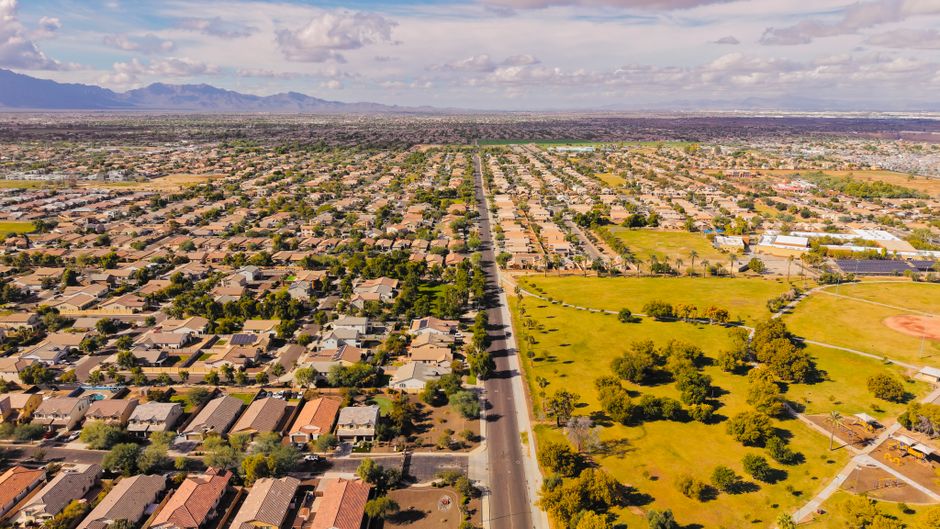
Arcadia is the counterargument to neighborhoods built for tourists. It's genuinely residential—tree-lined streets, older homes being renovated, families who've lived there for decades alongside younger people priced out of cooler areas. There's almost no nightlife to speak of, which is the point. Camp Verde Drive has a small commercial strip with decent restaurants and coffee, but you're not walking around for entertainment.
This is the neighborhood I'd pick if I were actually staying a while and wanted quiet. It's safer than the statistical crime rates suggest—the perception of danger is much higher than the reality—and it feels like a real place where people live, not a vacation backdrop. But the tradeoff is real: you absolutely need a car. There's no walkable nightlife, minimal shopping on foot, and while the neighborhood itself is pleasant, you'll be driving to find entertainment.
Airbnb pricing is surprisingly reasonable for what you get: $100-$180 nightly for a full house or nice apartment. It's good for writers, remote workers, or anyone who values quiet and doesn't mind leaving the neighborhood for meals or activity. It's definitely not a party destination, and it's not built for walking-based trips, but if what you want is a home base to recover from the intense Phoenix heat, Arcadia delivers.
Central Phoenix / Uptown: Dense, Walkable, Underrated
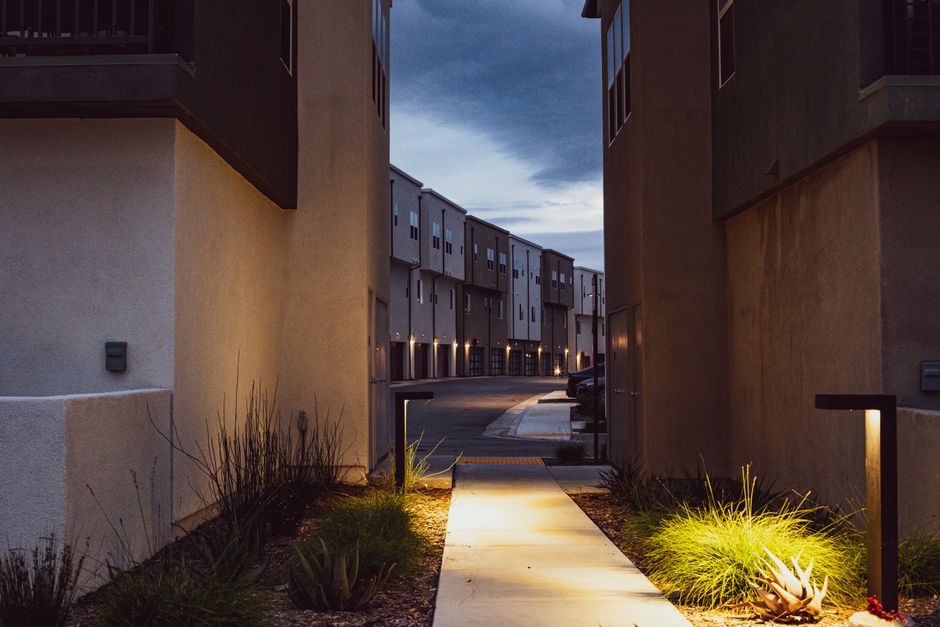
Central Phoenix doesn't market itself well. It's bounded roughly by Camelback Road to the north and Indian School to the south, and it lacks the singular branding of Scottsdale or the art-scene narrative of Roosevelt Row. What it actually offers is the closest thing Phoenix has to real urban walkability—apartment buildings, small businesses, real density without tourist infrastructure.
You can walk to restaurants, coffee shops, breweries, and shops. It's busy without feeling contrived. The neighborhood has a real daytime and evening identity—weekends bring crowds but not the orchestrated tourism of Old Town. Nightlife exists and doesn't dominate; you'll find bars but plenty of quiet alternatives. The Uptown area specifically, concentrated around Camelback and Central, has enough restaurants and bars to keep an evening interesting without it being a nightlife destination.
Safety is statistically solid, though like any denser area, individual blocks matter more than the neighborhood as a whole. Nighttime walking feels normal and unremarkable, which is generally a good sign. Pricing: $110-$200 nightly depending on specifics, a sweet spot between value and location. It's my pick for anyone who wants a real neighborhood experience rather than a tourism bubble, but without Roosevelt Row's artistic mission or Scottsdale's resort energy.
Tempe: If You Want College-Town Energy and Don't Need Phoenix Proper
Tempe sits just southeast of Phoenix proper, built around Arizona State University and a actual downtown with Mill Avenue as the walkable core. If you've ever been frustrated by Phoenix's sprawl, Tempe feels like a response—smaller, denser, more intentionally pedestrian-oriented. The college energy means younger crowds, more bars and restaurants, and something closer to a real downtown vibe.
Walkability is genuinely good. Mill Avenue runs for several blocks with shops, restaurants, and bars on both sides, and you can walk from ASU's campus into actual neighborhoods without major obstacles. Nightlife is very much present—weekends get loud, weekdays are quieter, and it leans toward the college demographic, which means cheaper beer and more predictable bar scenes. Safety at night is fine in the main district; again, common sense applies, but it's a college town, not a rough area.
Nightly rates run $80-$160, making it one of the cheaper options for a genuinely walkable location. The tradeoff is you're 20-30 minutes from central Phoenix, so if you want to explore the larger city, you'll be driving. For a focused, self-contained stay with actual walkability and nightlife, though, Tempe punches above its weight.

The Real Talk on Getting Around
Here's what no one wants to hear: Phoenix is a car city, and where you stay matters partly based on how comfortable you are renting one or using rideshare. Even the walkable neighborhoods are built at a density that assumes you'll drive to some things. The heat also changes the calculation—walking a mile in May is a different proposition than in November.
If you're coming without a car and want to walk-based travel, Scottsdale or Tempe are your strongest bets. Roosevelt Row works if you're okay with gaps. Central Phoenix is legitimately walkable if you're okay with a quieter overall experience. Arcadia doesn't work without a car, period. And honestly? Most visitors to Phoenix should probably rent a car anyway. The city's spread out enough that you'll want one for day trips to places like Sedona or the Apache Trail, and once you have it, neighborhood choice matters less.
When to Visit Each Neighborhood
Scottsdale works year-round but fills up October through April when East Coast money arrives to escape winter. Pricing reflects this. Summer (June-September) is genuinely miserable—105+ degrees daily—but that's when you'll find deals and actual locals instead of snowbirds. Roosevelt Row is interesting anytime but develops more street activity in fall and spring. Arcadia is best in cooler months when you can actually sit on a porch. Central Phoenix and Tempe are decent bets year-round but have their own seasonal energy shifts.
Timing also matters for availability and pricing. Spring Break season (March) makes everything expensive and crowded. Late September through mid-November is genuinely good—heat is breaking, winter crowds haven't arrived, and prices are reasonable. January can be surprisingly available if you book last-minute as snowbirds arrive and inflate October-December.



