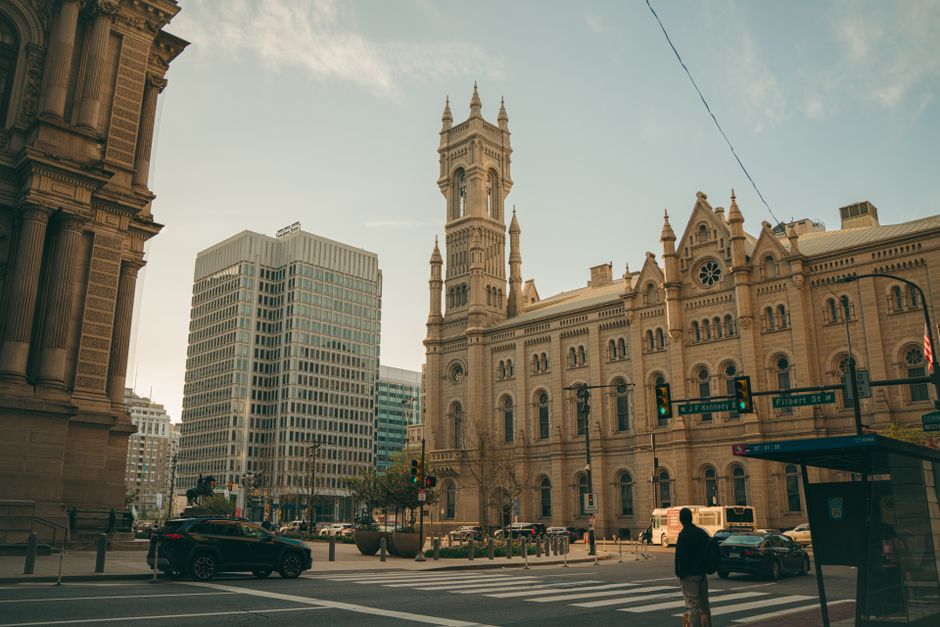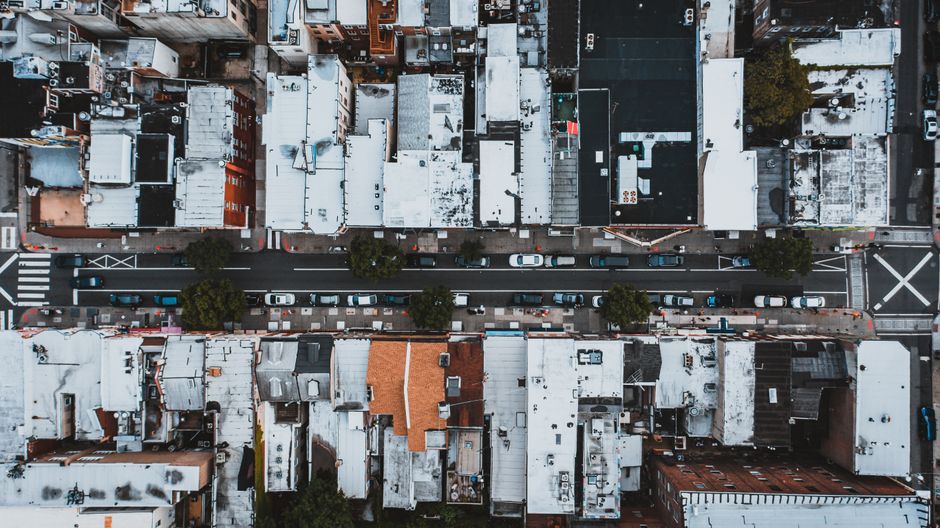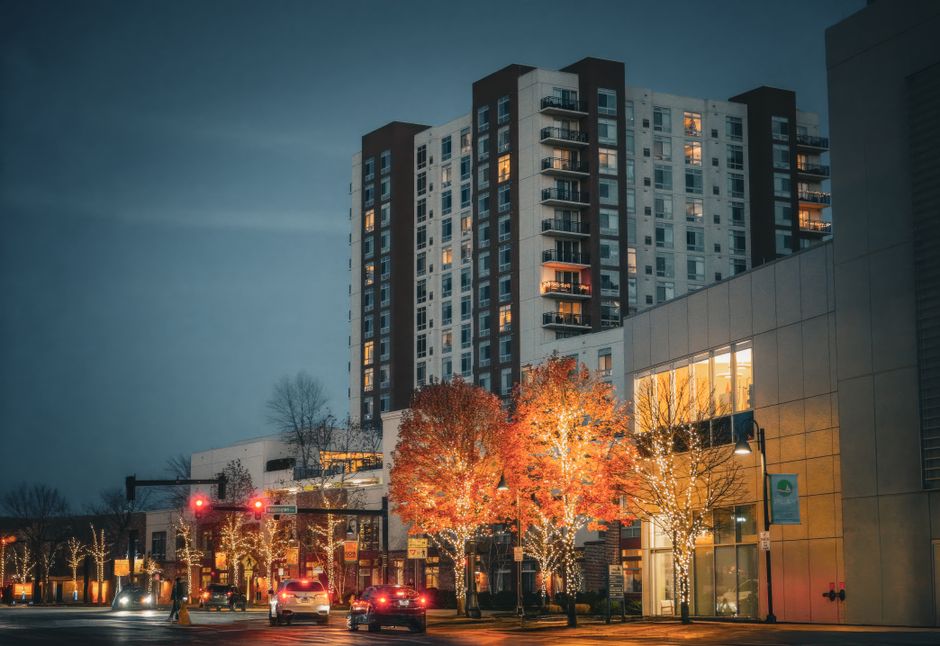
I rolled into Providence on a gray March afternoon with no real plan beyond finding a decent block to base myself for a few days. The city's small enough that you can walk most of it, but large enough that where you land matters. After bouncing around a handful of neighborhoods over several visits, I've learned which Airbnbs actually make sense for a short stay—the ones where you won't feel trapped in your apartment, where midnight walks don't make you nervous, and where you can eat something interesting without getting in a car.
Providence isn't Boston's quirky little cousin anymore, if it ever was. The downtown core has real momentum, the art scene is substantial, and the food is genuinely good. But the city still has pockets that feel overlooked, which is part of its charm. What follows is honest ground-truth on where to actually stay.
Federal Hill and Downtown: The Safe Bet
If you want to walk out your door and hit restaurants, bars, and shops immediately, Federal Hill is the obvious choice. This is where most visitors end up, and there's a reason: it's walkable, lively at night, and genuinely feels like something is happening. The neighborhood centers on Atwells Avenue, which is lined with Italian restaurants, cocktail bars, and cafes. It's tourist-friendly without feeling manufactured.
Safety here is solid. Federal Hill has a real community presence and foot traffic late into the evening. Airbnbs tend to run $120–$180 per night for a decent one-bedroom. You're paying for convenience and the fact that you can stumble back from dinner without thinking twice. The downside is noise—if you're a light sleeper, street-level apartments can get loud, especially on weekends.
Downtown proper bleeds into Federal Hill and offers similar appeal with slightly fewer crowds. You'll find more professionals and fewer bachelorette parties. Prices are comparable, sometimes a touch higher if you're close to the arts district around Kennedy Plaza.
College Hill: Student Energy with Real Bones
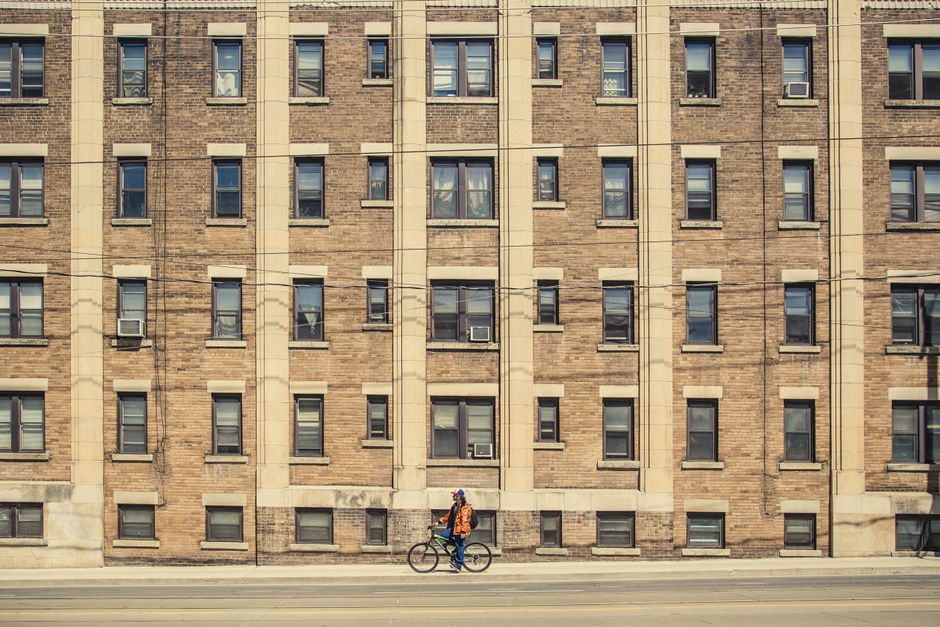
College Hill sits directly uphill from downtown and is anchored by Brown University. Walk up Benefit Street or Angell Street and you're in a different city—tree-lined blocks, period architecture, a mixture of students and long-term residents. If you want neighborhood character over nightlife convenience, this is it.
The Thayer Street corridor near the Brown campus is the main commercial drag: coffee shops, used bookstores, bars that skew young but not obnoxiously so. Wickenden Street, running along the eastern edge, has decent restaurants and galleries. It's walkable in both directions, though College Hill is actually pretty hilly, so it depends on your knees. The neighborhood doesn't shut down at night—there's always foot traffic because of the student population—but it's quieter than Federal Hill. Safety-wise, it's fine. The presence of Brown's security and the neighborhood's general affluence mean you're not dealing with sketchy blocks.
Airbnbs here run $90–$140 for a decent place. You're getting more space for your money than Federal Hill, and the vibe skews younger and artsy. The trade-off is that if you want a restaurant scene that caters to adults over 25, you'll walk back downhill. It's not far, but it's a walk.
Fox Point: Walkable, Gentrifying, Uneven Vibe
Fox Point, just south of downtown along the harbor, is Providence's mixed neighborhood—the kind where a four-story colonial sits next to a new glass-front restaurant next to a shuttered storefront. It's gentrifying visibly, year by year, which creates an interesting energy if you can tolerate some urban roughness.
The main appeal is walkability. Fox Point is genuinely compact and you can get lost for hours on its streets without it feeling dangerous—it's the kind of neighborhood where locals walk around at all hours. Hope Street and South Main Street have decent cafes and a few solid restaurants. The neighborhood has soul partly because it hasn't fully gentrified yet. You'll see real life happening alongside the new development. Nightlife is emerging but low-key; you're not coming here to bar-hop. You're coming here if you want to feel like you're actually living in Providence, not visiting it.
Safety is a soft spot. Fox Point is mostly fine, but there are blocks where you should keep your wits about you at midnight, especially around lower Water Street. It's not dangerous in the way some cities are, but it's not as uniformly safe as Federal Hill or College Hill. Airbnbs run $85–$130 per night. You're getting value, but you're also getting a neighborhood in transition, which isn't everyone's thing. If you're comfortable with urban complexity, Fox Point delivers it.

Wayland Square and the Arts District: For Slower Travelers
If you're staying longer than three days and actually want to settle into a neighborhood, Wayland Square (technically part of the South Providence area) is where locals actually live. It's removed from downtown enough that it feels residential, but walkable enough that you can get coffee and a meal without thinking about it. The vibe is quieter, more lived-in, less tourist-oriented.
The square itself has a bookstore, a few decent restaurants and cafes, and the kind of slow energy you get in real neighborhoods. It's more Providence than Federal Hill is—less polished, more actual community. You can walk to Brown's athletic facilities, botanical gardens, and some surprisingly good parks. Nightlife is basically nonexistent, which is the point. Safety is consistently good; this is a stable, owner-occupied neighborhood.
Airbnbs here run $85–$120 and you're getting good space and quiet. The trade-off is that if you want to be in the thick of things, you're a 15-minute walk from downtown action. It's worth it if you're the type who enjoys a neighborhood walk to get dinner, but not if you need restaurants and bars at arm's length. This is where you book if you're writing a novel or actually trying to see how people live in Providence, not if you're squeezing in a weekend.
Elmwood: The Gamble
Elmwood is west of downtown and doesn't get written about much, partly because it's not particularly close to the main attractions and partly because it hasn't firmly decided what it wants to be. Parts of it are nice, quiet, tree-lined residential blocks. Other parts feel more uncertain. There are good restaurants emerging in pockets, but you can't count on much walkability for food and drinks.
I'd only recommend Elmwood if you have a specific reason to be there—a restaurant reservation, someone to visit, a particular street you know. Airbnbs are cheap, sometimes as low as $75–$100, which reflects the neighborhood's lower gravity in the Providence hierarchy. Safety is fine in most blocks, but there's less foot traffic late at night, which changes the feel. It's a working neighborhood, not a destination neighborhood.
That said, if you book something on a nice block with good light, you'll find Providence residents here, not tourists, and that's valuable if you're trying to get a real sense of the city. Just don't book blind expecting walkability or a scene.
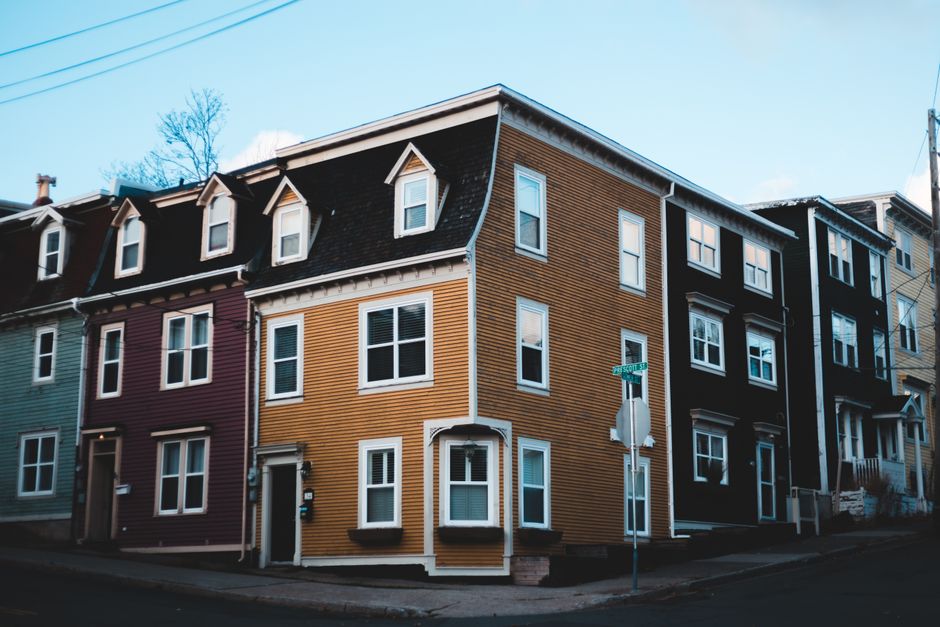
Practical Takeaways for Booking
When you're choosing a neighborhood, be honest about what you actually want from your stay. Federal Hill if you want convenience and don't mind crowds. College Hill if you want character and a younger vibe. Fox Point if you want authenticity and can handle a rougher edge. Wayland Square if you're staying more than a few days and want to live like a local. Skip Elmwood unless you have a reason.
Check the block, not just the neighborhood, when you're looking at Airbnbs. A photo of a nice street exterior matters. Read recent reviews carefully—mentions of noise, security issues, or broken things are usually accurate. Providence has gotten stricter about short-term rentals, so make sure whatever you're booking is actually legal; scams and illegal operations exist here like everywhere.
Walking around Providence at night is generally safe, but street lighting is uneven in older neighborhoods, and blocks can change character quickly. Use reasonable judgment, trust your instincts, and if a block feels off, it probably is. The city's compact enough that there's usually a good Airbnb alternative nearby with a better vibe.