
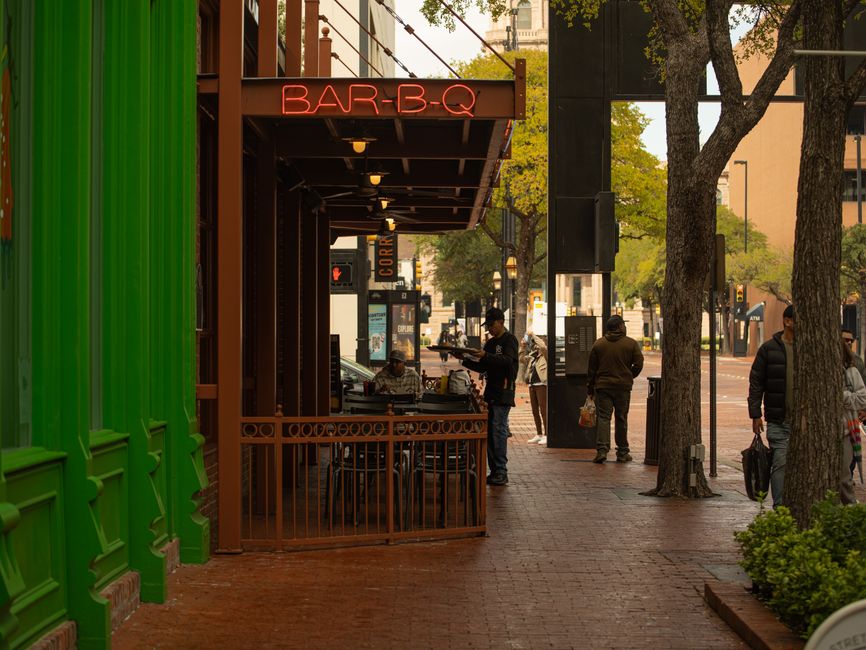
I landed at SAT on a Thursday afternoon with no hotel booked, just a rough idea that I wanted to be somewhere walkable and close to actual people, not in some characterless strip-mall zone. San Antonio's got a reputation as a River Walk city—all those tourist traps and t-shirt shops—but if you dig even a little, the neighborhoods get real fast. The sprawl is real, though. You can't just pick any Airbnb and expect to be able to walk to dinner. After spending time in several solid pockets of the city, I've learned which ones actually deliver for short-term stays.
The rental market here is competitive but not crazy compared to Austin or Dallas. You'll find decent places in walkable areas for $100–$180 a night if you're flexible on dates and don't need luxury finishes. But location matters enormously. Pick wrong and you're car-dependent in a city that sprawls for miles. Pick right and you're in a neighborhood with bars, tacos, local coffee spots, and people who live here year-round instead of just passing through.
Southtown: Artists, Galleries, and Real Nightlife
Southtown sits just south of downtown and has become the city's creative spine. The neighborhood is genuinely walkable—you can stroll from Blue Star Arts Complex to Pearl to various galleries and breweries without feeling like you're crossing a desert. The vibe is younger, artsy, and actively gentrifying, which means good restaurants are popping up regularly but it doesn't yet feel sanitized or corporate.
Nightlife here is solid. There are bars you'd actually want to spend time in, live music venues, and the kind of late-night taco spots that don't feel like they exist just for tourists. The Arts district brings a real community feel, especially on weekends. Safety is generally good—it's well-lit, busy enough, and you're among foot traffic. You will see homeless people; it's urban San Antonio, not a resort.
Nightly rates typically run $110–$170 for a decent one-bedroom. Airbnbs here book up fast because locals and in-the-know travelers know the neighborhood. The trade-off: parking can be tight if your rental doesn't have dedicated space. If you're planning to use a car, confirm that in advance. For a solo traveler or couples who want walkability and actual culture instead of tourist infrastructure, this is your spot.
The Pearl District: Upscale but Genuinely Good
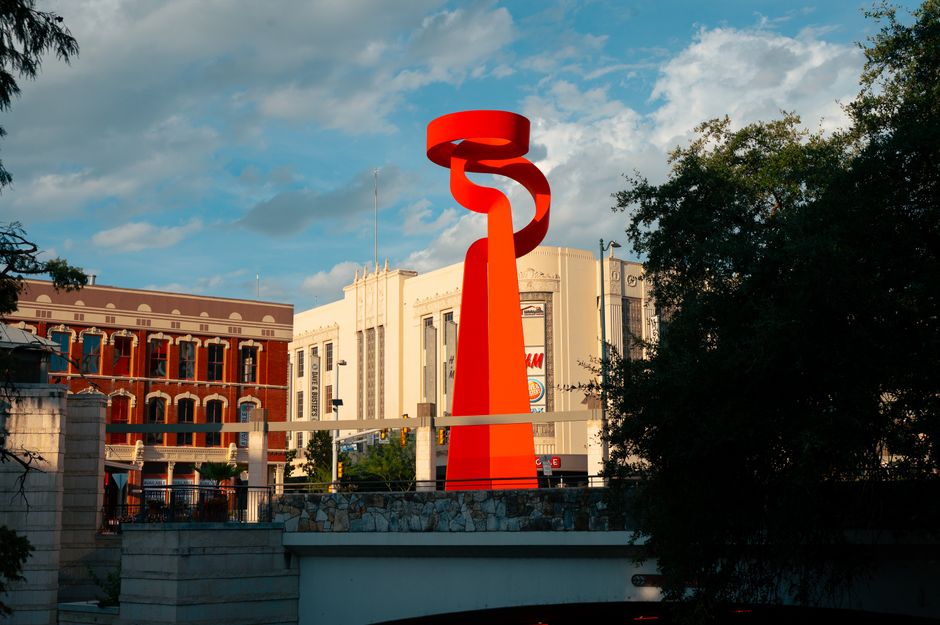
The Pearl sits just north of downtown and has transformed from a former brewery district into a carefully curated neighborhood of restaurants, shops, and galleries. I was skeptical about it at first—the marketing felt slick, the prices higher. But walking through, I found it actually delivers. The brick buildings have real character. The restaurants aren't gimmicks. People live here, not just visit.
This is the quieter option among walkable neighborhoods. You get good restaurants and coffee shops, some bars, but it's not a late-night party zone. If you're looking for calm walkability with serious food options and a sense of place, Pearl works. It does trend toward couples and people seeking a more refined experience. Nightlife exists but it's mellow—wine bars, not dive bars. Safety is excellent; it's well-maintained and populated.
Expect to pay $140–$220 per night for a decent rental here. It's pricier than Southtown but the rentals tend to be newer and better-finished. Parking is available but can require paying attention to zoning. If your trip involves eating well, walking around galleries and bookstores, and not needing to rage until 2 a.m., Pearl is genuinely pleasant. It's gentrified but not soulless.
Alamo Heights: Quieter, Residential, Close to Eating
Alamo Heights is a small upscale neighborhood just north of downtown that doesn't have the buzz of Southtown or Pearl, but it's genuinely nice for a low-key stay. Broadway runs through it as a main commercial drag with restaurants, bars, and shops spread out but accessible. It's not one contiguous walkable zone—you'll walk a bit, then there's a gap, then you walk again—but it's doable.
The neighborhood is quiet in the evenings without feeling dead. You get restaurants ranging from casual tacos to nice date-night spots, some bars, and a real residential feel. It's safer than average; it's a neighborhood where people actually live and it shows. Nightlife is minimal—a few bars, some wine spots—but that's not the appeal here. The appeal is a genuine neighborhood feel without the tourist crush.
Nightly rates run $95–$155, making it one of the more affordable walkable options. That affordability is partly because it's less trendy than Southtown or Pearl, but it's a legitimate choice if you prefer peace over constant action. The trade-off: fewer dining surprises and less of a sense that something exciting is happening. But if you're working remotely or want a base for day trips, Alamo Heights is solid and won't drain your budget.
Riverwalk Area (Downtown Core): Tourist-Heavy but Undeniably Convenient
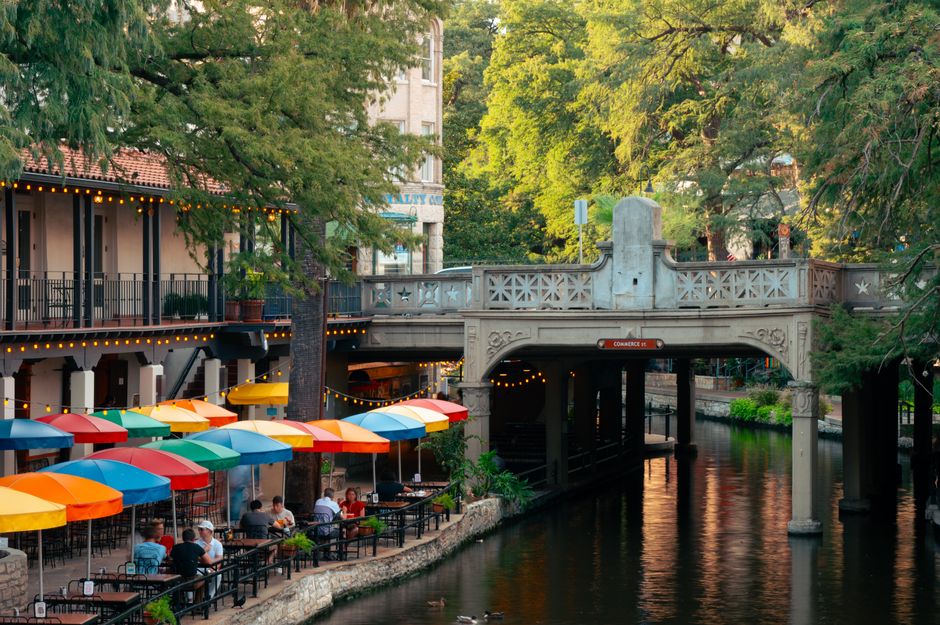
I'm going to be honest about this one: the Riverwalk itself is a themed tourist zone. Chains, t-shirt shops, people wearing matching group tour lanyards. But if you book directly along the riverwalk paths or in the tight blocks immediately adjacent, you get something real: you can walk everywhere, the river is genuinely nice at night, and you're five minutes from downtown bars and restaurants that exist beyond the tourist corridor.
The core downtown blocks have local bars, real taquerias, and spots that serve the people who work here, not just visitors. Walk two blocks off the river and you feel the difference. Safety at night is good along the river itself—it's lit, crowded, and patrolled. The surrounding blocks are mixed; some feel sketchy, others don't. You need to pick your exact location carefully.
Nightly rates here range from $120–$200, sometimes more during peak season. You're paying for convenience more than character. The noise level can be high if you're directly on the river—drunken tour groups at 11 p.m. are part of the package. But if you want to walk to everything and don't mind some chaos, and you're planning a short stay where you'll be out exploring anyway, the core downtown location solves a problem. Just don't expect grit or authentic neighborhood life. You're renting location, not character.
Monte Vista: Quiet, Eclectic, Slightly Further Out
Monte Vista is an older residential neighborhood east of downtown with a quirky, bohemian vibe. It's tree-lined, genuinely beautiful in places, and home to artists, students, and long-term residents. The commercial spine along Fredericksburg Road has bars, coffee shops, and restaurants, but it's spread out—more driveable than walkable, though parts are walkable if you don't mind longer stretches between destinations.
Nightlife here leans toward dive bars and local spots where you'll actually talk to people instead of being part of a crowd. Safety is fine; it's a neighborhood with families and long-term residents. It's less polished than Alamo Heights, less trendy than Southtown, but more real than either. You'll see the full spectrum of San Antonio here, which can feel refreshing after a day of carefully gentrified areas.
Nightly rates are low—$85–$140 for decent places. That affordability comes with the understanding that you need a car for most everything, though some of the rental properties are clustered close enough to walk locally. If you want to save money, want a genuine neighborhood experience, and don't need everything within walking distance, Monte Vista works. It's the choice for people who'd rather spend money on experiences than on premium rent.

Practical Notes Before You Book
Parking is the variable that kills half of Airbnb stays in San Antonio. Some neighborhoods have street parking that rotates with zoning requirements; others have dedicated spaces. If you're renting a car or using one you drove in, confirm parking before you book. The Riverwalk and Pearl situations especially require attention here.
Summer heat is real and your AC situation matters. Not a dealbreaker, but if your rental's AC is iffy, you'll notice starting in May. Check reviews for this specifically.
San Antonio runs earlier than Austin does. Restaurants and bars close earlier, days feel less urgently social. That's not a complaint; it's just San Antonio's rhythm. If you're planning late-night activity, you're fighting the city's natural closing time. By midnight on a weeknight, a lot closes down.
Google Maps works for most neighborhoods, but download offline maps anyway. Cell service is fine, but the grid in some older areas is weird and a map backup saves frustration. Book refundable rates if possible during the hotter months; sometimes places lose AC and having an easy exit matters.


