
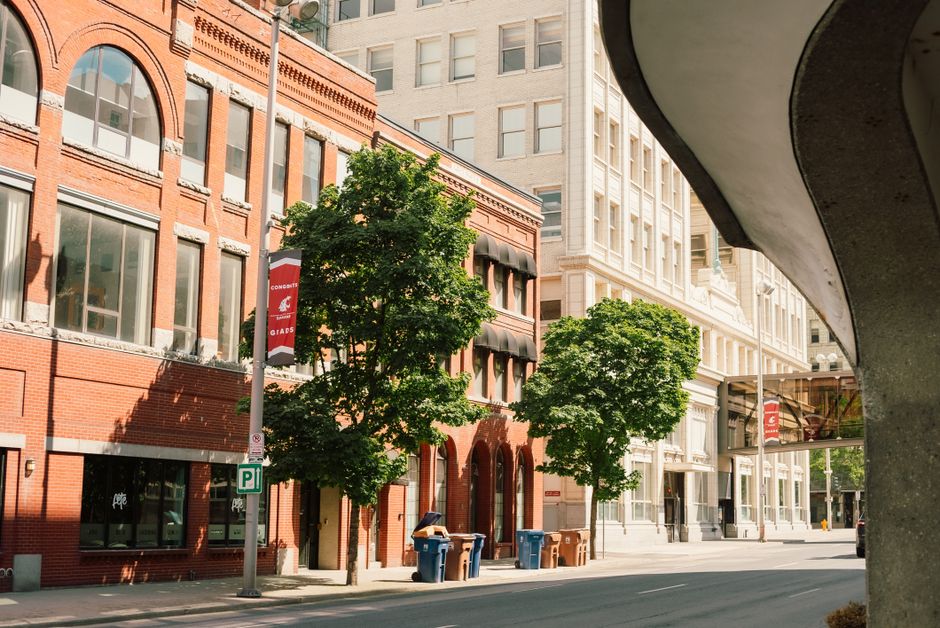
I rolled into Spokane on a gray November afternoon expecting a quiet pass-through. Instead, I found myself lingering for a week, moving between neighborhoods like someone trying to solve a puzzle. The city doesn't announce itself loudly—no waterfront glitter, no mountain drama looming above—but there's something genuinely livable about it that catches you off guard. The neighborhoods worth staying in are scattered enough that where you plant yourself matters. You're not just picking a bed; you're picking a version of the city.
Since I was working from various Airbnbs, I got to know these areas on foot, at odd hours, through conversations with locals propping up coffee shop counters. Some neighborhoods hustle until midnight; others are basically rolled up by 9 p.m. Some you walk through comfortably after dark; others require the common sense you'd use anywhere. Prices vary wildly depending on what month you're looking at. I've tried to lay out what actually matters for a short-term stay—not tourism board talking points.
Browne's Addition: The Default for Good Reason
If you're new to Spokane and want to do this right without overthinking it, book Browne's Addition. It's the historic neighborhood with actual bones—brick Victorians and early-1900s craftsman houses lining tree-lined streets. The commercial strip along Walnut Street is dense enough to walk to dinner and drinks without feeling like you're crossing a wasteland. Molly's (coffee), Tom Grainey's Grill House (live music and solid cocktails), and several wine bars cluster within a few blocks of each other. Walkability is legitimate here, not aspirational.
At night, the neighborhood feels occupied without being hectic. There's foot traffic on weekend evenings, enough streetlight, and the kind of low-key nightlife that doesn't bleed into the residential blocks. Tuesday through Thursday, it's quiet. Weekends have more energy but never approach "rowdy." You'll pay $120–$180 per night for a decent one-bedroom, depending on season and how close you are to Walnut Street. December and summer run higher; March-April dips. The neighborhood skews slightly older and more established, so it doesn't have the edge of younger areas, but that's exactly what makes it work for people who want to actually sleep.
The Riverfront: Convenient, Walkable, and Touristy
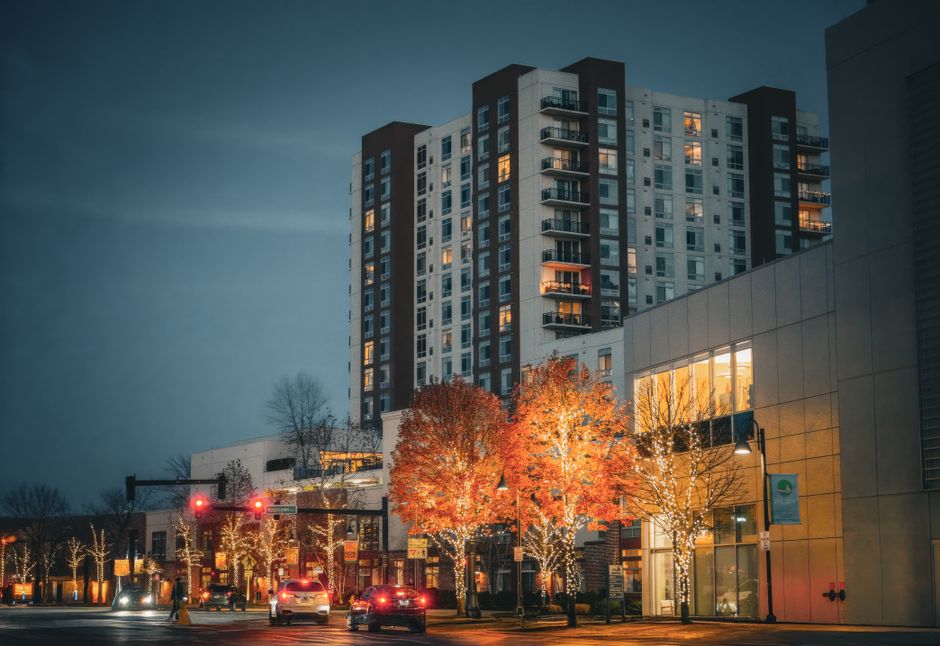
The Riverfront neighborhood is what happens when a city realizes it has a river and stops wasting it. The Spokane Falls are genuinely compelling—you can walk under the spray—and the pavements around downtown's riverfront loop are well-maintained and busy during daylight. If you're here to sightsee, catch theater, hit restaurants, or spend money at the convention-adjacent bars, this is efficient. You can stumble back to an Airbnb in under ten minutes from most downtown venues.
Walkability during the day is excellent. At night, safety is fine on the main routes, though some side streets feel emptier than you'd want after dark. The neighborhood has that downtown-grid feel where some blocks hum and others don't. Nightlife is concentrated and loud where it exists—dive bars, younger crowds, occasional live music—so if you want to be in the action, you're in it; if you want quiet nights, you'll hear other people's choices through the walls. Prices run $130–$200 per night, creeping higher if you're within sight of the water. The trade-off is convenience and energy in exchange for less residential calm. It works great if you're only sleeping there.
Cheney: The College Town Feel Without the Chaos
Cheney sits about 15 minutes south, home to Gonzaga University, and it operates on a different frequency than central Spokane. The main avenue is actually pleasant to walk—used bookstores, Vietnamese restaurants that are genuinely good, campus-adjacent bars that serve normal people, not just undergrads. If you want to base yourself somewhere with a real downtown, actual foot traffic, and a certain amount of cultural life without downtown density, this is the move.
The neighborhood has more of a college-town vibe than Spokane proper, which can feel either refreshing or slightly young-focused depending on what you want. Weekends get busier and louder, especially around campus. Weeknights are calm. Safety is good throughout; this is a neighborhood with eyes on the street. Parking is easier than downtown, which matters if you have a rental. Nightly rates run $90–$150, noticeably cheaper than central Spokane. The catch: you're not walking to much beyond Cheney's own strip. It's a neighborhood unto itself, not a base for exploring everywhere else.
South Hill: Quiet, Residential, Requires a Car
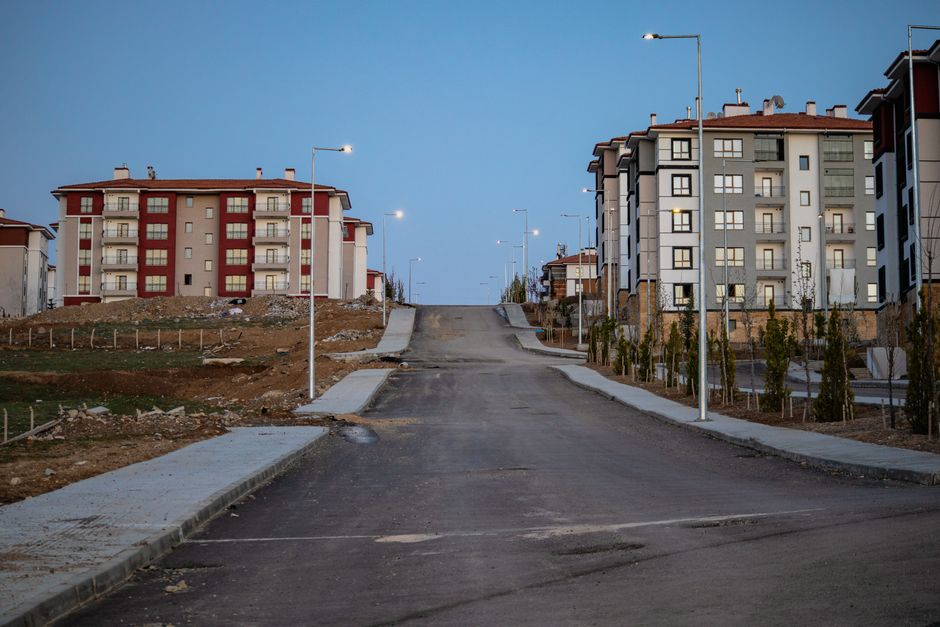
South Hill is where locals actually live—tree-filled blocks, family houses, the kind of neighborhood where people know their neighbors. It's genuinely pleasant if you want Spokane without the tourist infrastructure or downtown energy. Walkability on any single street is fine, but the neighborhood is spread out. You're not walking to nightlife or restaurants without covering serious distance. A car makes it functional; without one, you're stuck.
Safety is quite good. Nights are quiet, peacefully quiet, the kind where you can hear crickets. If that appeals to you, it's ideal. If you're here for an experience or nightlife, it's isolation. Airbnbs run $100–$150 per night, cheaper than downtown, with more space. It works well for people working remotely who want to hole up, or families who need space. I wouldn't recommend it for first-time Spokane visitors without a car, but if you're staying two weeks and just want a solid place to land, it's honest and reasonable.
Holmberg: Emerging Quietly, Still Walkable
Holmberg's a neighborhood I didn't expect to like, wedged northwest of downtown with fewer tourists and more actual daily life. There are coffee shops, thrift stores, a couple decent restaurants, and enough character to make wandering worthwhile. It's not Browne's Addition—less polished, fewer destination restaurants—but it's walkable and genuinely local. You'll see people walking their dogs, hanging on porches, moving through it like they actually live there.
Nights are quiet without feeling abandoned. Foot traffic tapers early, but the streets feel safe. There's minimal nightlife, which is fine if you want to sleep. Prices are $100–$140, lower than the premium neighborhoods. It's a smart choice if you want authenticity and cheapness, and you don't need everything within stumbling distance. The neighborhood doesn't have the buzz of Browne's or the tourist infrastructure of downtown, but that's partly the point.

How to Actually Choose
Here's what I'd ask yourself: Do you have a car? South Hill and Cheney make sense; neighborhoods without one means Browne's, Riverfront, or Holmberg. How long are you staying? A night or two, Riverfront wins by convenience. A week, Browne's Addition. A month, any of them, but South Hill suddenly gets better.
What's your nightlife threshold? Browne's and Riverfront have the most concentrated options. Cheney has more volume but younger energy. South Hill and Holmberg are for people who don't need much. Safety-wise, trust your instincts about specific blocks—all these neighborhoods are broadly fine, but empty streets feel different than busy ones, and that matters differently to different people.
Booking these places in winter is cheaper and easier than summer or during Gonzaga events. Spring and fall are the real sweet spots for Spokane—weather feels right, prices are moderate. The city itself won't blow your mind with dramatic landmarks, but it's surprisingly comfortable to actually live in for a few weeks, even if you didn't plan to stay that long.


