
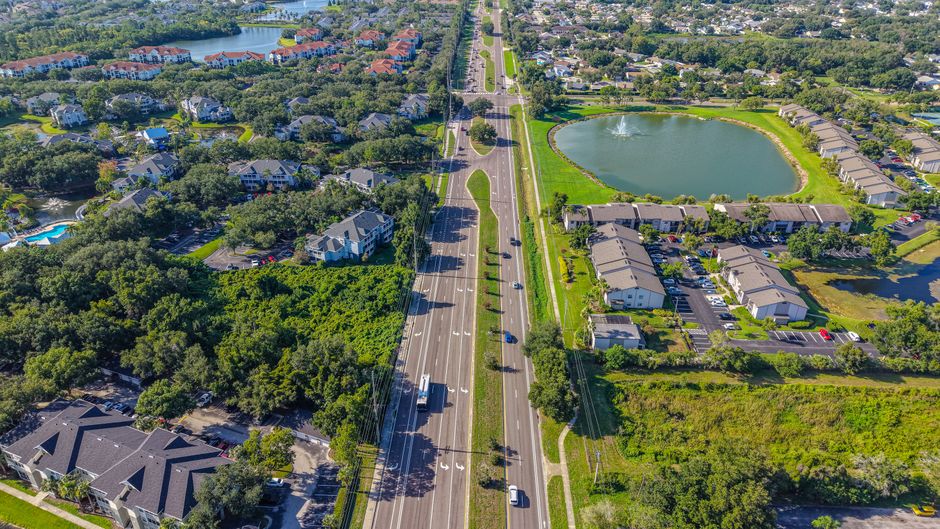
I landed in Tampa on a Wednesday with a vague plan and a rental car I'd probably regret. After a few trips here, I've learned the real move isn't just grabbing any Airbnb—it's knowing which neighborhoods won't leave you stranded or wishing you'd booked somewhere else. The city sprawls, sure, but there are pockets that actually work for travelers who want to walk around, eat decent food, and maybe catch something to do without planning everything three days in advance.
Tampa's not like Miami or New Orleans where the tourist geography is obvious. It's more scattered. But if you pick the right block, you can have a genuinely good few days here without feeling like you're in a generic Florida holding pattern.
Ybor City: Energy and Edge
Ybor City is the obvious choice if you want something happening. It's the old cigar-manufacturing district that's been grafted back into life with bars, restaurants, and galleries. Seventh Avenue is the spine—brick streets, vintage storefronts, a decent energy most nights. You'll find everything from craft cocktail bars to divey places where people actually seem to know each other.
The safety situation is mixed. The main avenue and the blocks immediately around it feel fine, especially if you're moving around with purpose. But a few blocks in any direction, things get thinner and less monitored. Walk with your phone in your pocket, use normal judgment. Night crowds are real on weekends—Ybor draws people from across the bay.
For an Airbnb here, expect $90 to $160 a night, depending on whether you're in a renovated loft or a smaller converted apartment. The neighborhood is compact enough that you won't need a car most days, but don't expect the kind of casual walkability of a New York neighborhood. It's more clustered. The trade-off is you're in the middle of nightlife, so if you came to Tampa for a reason beyond swimming, this makes sense.
Hyde Park: Quieter Money, Better Food
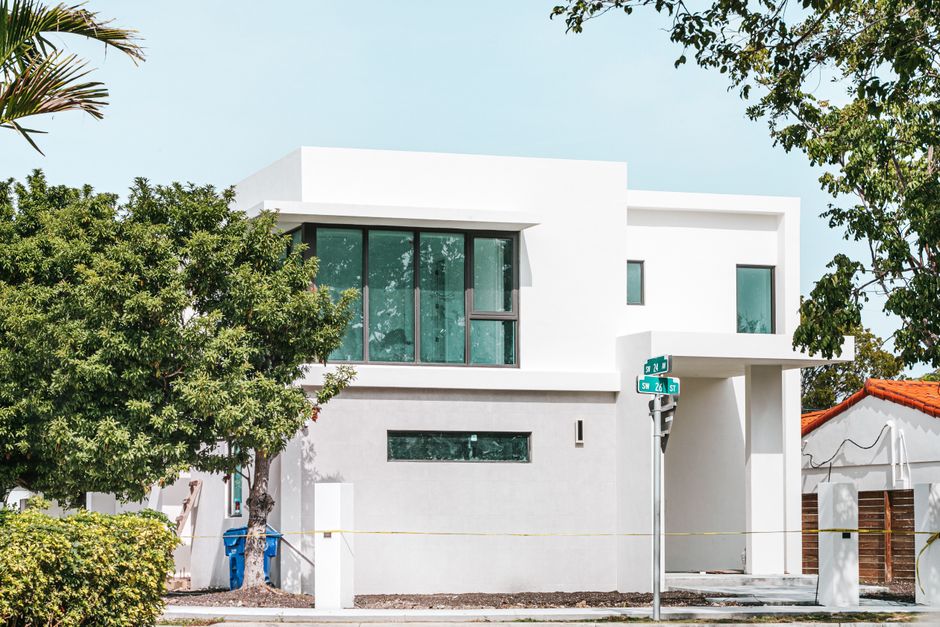
Hyde Park sits just south of downtown, across the Hillsborough River. It's residential but not sleepy—there's a small walkable village center with restaurants, cafes, and the kind of local businesses that suggest people actually live there and care about the place. It's significantly quieter than Ybor, and the people who book here tend to be travelers who've done this before.
The neighborhood feels safer at night than Ybor, partly because there's less foot traffic and more actual residents keeping an eye on things. You'll see families in the evening, not just groups of people bar-hopping. The restaurant scene is a real strength—South Tampa in general has better dining than other parts of the city, and Hyde Park captures some of that without being as expensive as the waterfront.
Nightly rates run $85 to $150 depending on the space. Walkability within the village center is good, but you might want a car to get downtown or to the beaches. If you're in Tampa for work or want a home-base neighborhood where you can actually relax, this is a smarter choice than Ybor.
Downtown and the Riverwalk: Convenience Over Character
The downtown waterfront area has exploded in the last five years. There are new apartment buildings, restaurants, galleries. The Riverwalk is legitimately nice for an evening walk—it's one of the few places in Tampa where you can actually feel like you're in a city and not just passing through.
Booking an Airbnb directly downtown can work, especially in the Channelside or St. Pete Times Forum area. You're walking distance to restaurants, museums, the water. The safety situation is standard for any downtown—daytime is fine, nighttime is fine if you stick to lit areas and the main paths. The real downside is that it can feel transient. You're surrounded by tourists and convention traffic, which means less of a neighborhood feel and more of a hotel-district atmosphere.
Expect $100 to $180 a night. The walkability is excellent for tourists but hollow for actually living anywhere. No grocery stores, no parks where neighbors hang out. It's efficient, not charming. Worth considering if you're only here for two or three days and want minimal friction.

South Tampa/Bayshore: Residential but Accessible
South Tampa (which includes areas around Bayshore Boulevard) offers a middle ground. You get an actual neighborhood with families, coffee shops, small parks. The Bayshore Boulevard stretch is one of the few places in Tampa where walking feels natural—there's a miles-long path for runners and walkers, and the tree-lined street has a civilized feel.
It's quiet enough that you won't feel like you're in party mode, but there's enough going on that you won't feel trapped. Safety is good—it's residential and monitored. Restaurants are solid if not trendy. The trade-off is that it's less obviously geared toward travelers. There are fewer Airbnbs, and the ones that exist tend to be smaller units in older buildings. You might end up interacting with long-term tenants or hosts who are actual residents, which can be nice or annoying depending on who they are.
Rates typically run $80 to $140 a night. You'll want a car here more than in Ybor or Hyde Park—the neighborhood is spread out, and walkability drops off quickly outside the Bayshore strip. Good choice if you're staying longer and want to avoid the typical tourist infrastructure.
Rooster Crow and Seminole Heights: Up-and-Coming, Uneven
The neighborhoods around Seminole Heights and in the midtown stretch have been undergoing gentrification in fits and starts. You'll find good tacos, decent coffee, interesting people. Some blocks feel genuinely charming. Other blocks look like gentrification's half-finished drafts—new restaurants next to shuttered warehouses, new condos next to vacant lots.
If you're flexible and like some grit, there's energy here. The restaurant and bar scene is more interesting than it looks from a distance. But the walkability is unreliable block to block, and the safety picture is mixed depending exactly where you are. Some areas feel genuinely sketchy after dark. Others are fine. You need to look carefully at the specific address before booking.
Nightly rates are lower—often $70 to $120—because it's still cheaper than the established neighborhoods. It's a gamble. You might book a spot in a genuinely cool micro-neighborhood and have a great time. Or you might get a block that's still in transition and feel less comfortable at night. Do your homework on the exact location.
Practical Decisions
If it's your first time in Tampa and you have just a few days, Ybor City or downtown are the safe bets. They're established, visible, and have obvious things to do. If you're staying longer or traveling on a tighter budget, South Tampa or Hyde Park offer more breathing room.
Avoid booking the absolute cheapest listings in neighborhoods you haven't researched—Tampa has pockets that look fine in photos but sit in areas that genuinely are rough. Look at the address on Google Maps, read the reviews carefully, and notice whether people mention feeling safe at night. Check if the listing is part of a building with a community or if it's isolated.
Rent a car unless you're absolutely sure you'll stick to walkable areas. Tampa's transit system is limited, and getting across the city without a car can be tedious. Parking is usually included in Airbnbs, so the friction is low.
The Real Question
The best neighborhood for your stay depends on what you're actually here to do. If you're here for nightlife, Ybor. If you want to relax and eat well, South Tampa or Hyde Park. If you're here for work and need convenience, downtown. If you want to feel like a resident rather than a tourist and don't mind some uncertainty, try Seminole Heights or Rooster Crow.
Tampa's not a city where one neighborhood dominates the way you experience the place. It sprawls. But pick the right block, and you can have a genuinely good few days.



