
Popcorn ceilings were popular primarily because they were cheap, fast to apply, and hid surface imperfections without any skilled finishing work. Builders in the mid-20th century embraced them as a practical solution that saved time and money on large residential projects. Understanding why popcorn ceiling was popular also explains a lot about how American housing evolved from the postwar era through the 1980s.
Table of Contents
- What Exactly Is a Popcorn Ceiling?
- Why Was Popcorn Ceiling Popular Among Builders?
- The Acoustic and Practical Benefits
- The Style Factor: Why Texture Was Fashionable
- When and Why Did Popcorn Ceilings Fall Out of Favor?
- The Asbestos Connection and Safety Concerns
- Popcorn Ceilings Today: Removal, Covering, and Legacy
- Conclusion
- Frequently Asked Questions
- Low installation cost made them a builder favorite during housing booms.
- Noise reduction properties appealed to apartment and multi-story home builders.
- Imperfection concealment eliminated the need for careful drywall finishing.
- Fast application sped up construction timelines on large projects.
- Style of the era matched mid-century interior design preferences for texture.
What Exactly Is a Popcorn Ceiling?
A popcorn ceiling — also called a textured ceiling, acoustic ceiling, or cottage cheese ceiling — is a spray-applied or paint-roller finish that creates a bumpy, granular surface. The texture comes from added materials such as polystyrene beads, vermiculite, or paper fibers mixed into the coating. The result looks a bit like the surface of popcorn, which is how the nickname stuck.
These ceilings became a defining visual feature of homes built between roughly the 1950s and the late 1980s. If you’ve walked into an older ranch home, apartment building, or split-level house, you’ve almost certainly encountered one.
Why Was Popcorn Ceiling Popular Among Builders?
The core reason why popcorn ceiling was popular comes down to economics. Skilled drywall finishers who could produce a smooth, flat ceiling required time and expertise. A sprayed texture ceiling needed far less precision — imperfections in the drywall joints, screw holes, and uneven mud work simply disappeared under the bumpy coating.
During the postwar housing boom of the 1950s and 1960s, builders were constructing thousands of homes quickly to meet surging demand. Any technique that cut labor hours and reduced material waste was immediately attractive. Popcorn texture fit that need perfectly.
Beyond speed, the materials themselves were inexpensive. The sprayed mixture required minimal product cost per square foot compared to skim-coating and sanding a ceiling to a smooth finish. For large apartment complexes and tract housing developments, those savings multiplied quickly across hundreds of units.
The Acoustic and Practical Benefits
Another major reason popcorn ceilings caught on was their genuine acoustic value. The textured surface absorbs sound rather than reflecting it, which reduces echo and dampens noise between floors. In apartment buildings especially, this was a meaningful selling point for residents and landlords alike.
This acoustic quality earned the finish its other common name: the acoustic ceiling. While it was never a replacement for serious soundproofing, it did make rooms feel quieter and less reverberant — a real comfort improvement over bare drywall.
The texture also disguised minor cracks that developed over time as a home settled. On a smooth ceiling, a hairline crack is immediately visible. On a popcorn ceiling, it can go unnoticed for years. This meant lower maintenance complaints for landlords and developers, adding yet another incentive to use the finish.
The Style Factor: Why Texture Was Fashionable
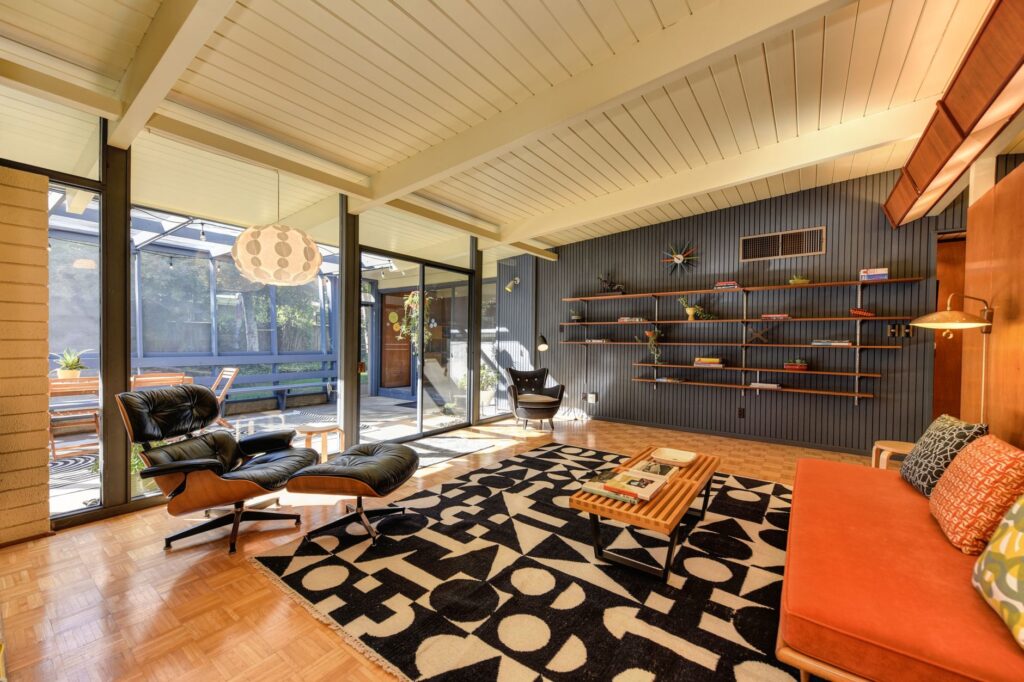
It’s easy to look back and see popcorn ceilings as purely a cost-cutting measure, but they also aligned with the design aesthetics of their era. Mid-century and late-century American interiors embraced texture, pattern, and contrast. Wood paneling, shag carpeting, and heavily textured walls were all considered modern and stylish at various points between the 1950s and 1980s.
Popcorn ceilings fit naturally into this visual language. They gave a room a sense of depth and interest at a time when plain, minimalist surfaces weren’t yet fashionable in mainstream residential design. Homebuyers weren’t just tolerating the texture — many actively preferred it over a flat, painted ceiling that showed every flaw and brush stroke.
When and Why Did Popcorn Ceilings Fall Out of Favor?
The decline of popcorn ceilings happened for a combination of health, style, and practical reasons. The most significant health concern emerged when researchers linked certain older popcorn ceiling materials — particularly those containing vermiculite — to potential asbestos exposure. Asbestos was used in some ceiling texture products until it was regulated in the late 1970s. Homes built before that period may have ceilings that contain the material, which became a serious concern for buyers and renovators.
Even in homes where asbestos was not a factor, the aesthetic fell sharply out of fashion by the late 1980s and 1990s. Cleaner interior design trends favored smooth ceilings, open plans, and minimal ornamentation. The bumpy ceiling that once looked modern began to signal “dated” to buyers and real estate agents alike.
Removal also proved to be a selling point for renovation — a smooth ceiling became associated with a modernized, updated home. In competitive real estate markets, sellers began removing popcorn ceilings before listing properties to attract higher offers.
The Asbestos Connection and Safety Concerns
It’s worth addressing the asbestos issue directly, because it’s the reason popcorn ceiling removal became such an important home improvement project. Some — not all — popcorn ceiling products manufactured before roughly 1978 contained asbestos fibers, which were added to improve durability and fire resistance.
When a ceiling containing asbestos is disturbed — scraped, sanded, or damaged — it can release fibers into the air. Prolonged exposure to airborne asbestos fibers is associated with serious lung conditions. This risk doesn’t apply to intact, undisturbed ceilings, but it does make DIY removal of older ceilings a task that should be approached carefully, ideally with professional testing first.
If you own an older home and are considering removal, having a sample tested by a certified lab before doing any scraping is the recommended approach. This concern, more than anything else, permanently changed how homeowners and builders viewed the once-beloved finish.
Popcorn Ceilings Today: Removal, Covering, and Legacy
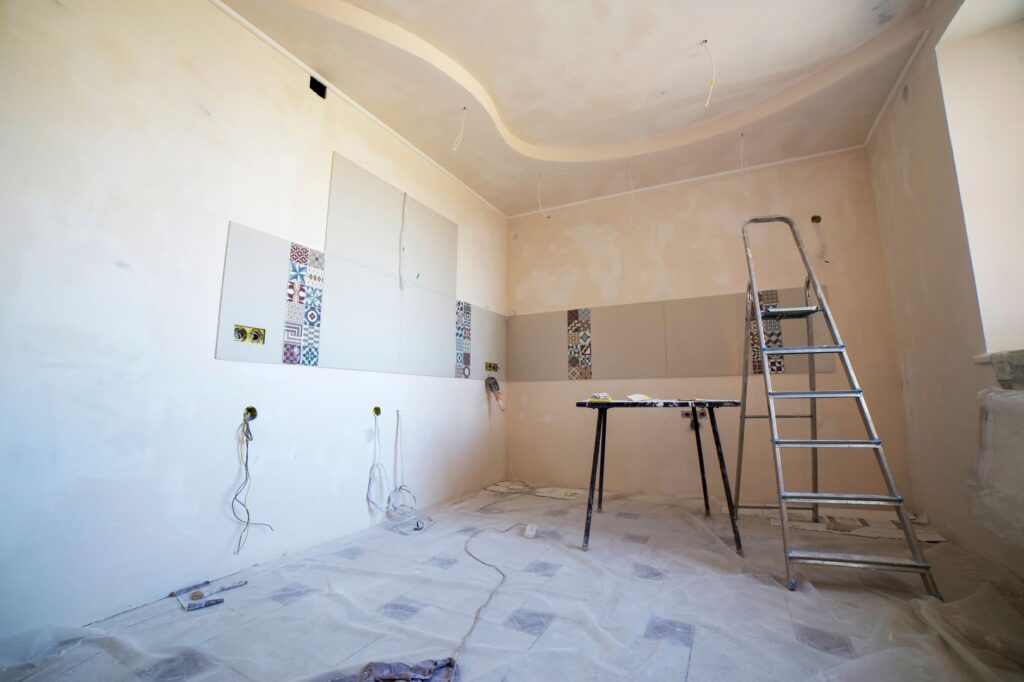
Today, popcorn ceilings exist in millions of older homes across the United States, and their treatment is a common renovation question. Homeowners generally have three options: remove them, cover them with new drywall or a skim coat, or leave them intact if they’re in good condition and don’t contain hazardous materials.
Removal, when the ceiling is confirmed asbestos-free, is a manageable DIY project involving wetting the texture and scraping it away, followed by sanding and repainting. Covering the ceiling with a thin layer of new drywall or a specialty overlay product is another option that avoids scraping entirely.
Interestingly, some homeowners have begun appreciating popcorn ceilings in a retro context, much like other mid-century design elements that have cycled back into style. While they’re unlikely to return as a mainstream new-construction choice, their role in American housing history is undeniable. Just as economic pressures can shape housing choices — much like they shape other consumer decisions across different regions and communities — the rise of popcorn ceilings reflects the priorities of their era.
Speaking of economic factors influencing everyday life, if you’re curious how financial pressures shape decisions at the local level, you might find it interesting to read about how poverty rates affect communities in Pennsylvania, or explore broader economic topics like the highest stimulus check payments in Georgia. Economic context always shapes how people build, buy, and renovate their homes.
Frequently Asked Questions
When did popcorn ceilings become popular?
Popcorn ceilings became widely popular in the United States starting in the 1950s and 1960s, during the postwar housing boom. They remained a common building choice through the 1970s and into the late 1980s before falling out of fashion.
Are popcorn ceilings still used in new construction?
Popcorn ceilings are rarely used in new construction today. Modern builders almost universally opt for smooth or lightly textured ceilings to meet current buyer preferences and avoid the stigma associated with the dated look.
Do all popcorn ceilings contain asbestos?
No, not all popcorn ceilings contain asbestos. Products manufactured after the late 1970s were required to eliminate asbestos. Homes built before that period may have ceilings at risk, and professional testing is recommended before any removal work begins.
Does removing a popcorn ceiling increase home value?
In most real estate markets, removing a popcorn ceiling and replacing it with a smooth finish does improve buyer perception and can positively affect sale price. The impact varies by market, but updated ceilings generally make a home feel more modern.
Why is it called a popcorn ceiling?
The name comes from the visual resemblance of the bumpy, granular texture to the surface of popcorn kernels. It's also commonly called a cottage cheese ceiling, acoustic ceiling, or stucco ceiling depending on the region.
Conclusion
So, why was popcorn ceiling popular? The answer is a combination of practical economics, genuine functional benefits, and the design tastes of their time. Builders adopted them because they were fast, inexpensive, and forgiving of imperfections. Homeowners accepted and often appreciated them for their sound-absorbing qualities and textured style. It was only when health concerns, shifting aesthetics, and a stronger resale-value market pushed back that the finish began its long retreat. Today, understanding the history of popcorn ceilings gives us a clear window into how cost, convenience, and culture shaped the homes millions of Americans still live in.