I rolled into Albuquerque on a Tuesday afternoon with the kind of tiredness that comes from driving through too much New Mexico at once. The light here is something else—golden-hour quality at 3 p.m.—and it hits different when you're standing on Central Avenue watching the Sandia Mountains turn pink. After a week wandering the city's main drags and back streets, talking to locals in coffee shops and brewpubs, I've got some opinions. The kind you form when you're actually spending time somewhere instead of hitting the obvious checkboxes.
Albuquerque gets a particular kind of tourism treatment: the Balloon Fiesta overshadows everything, the Old Town feels obligatory, and most visitors never venture past Rio Grande Boulevard. That's their loss, and it's also exactly why the rest of the city is still worth your time. Here's what I'd skip, and more importantly, where I'd spend those hours instead.
The Old Town Loop Is Busier Than It's Worth
Look, I get why Old Town exists on every itinerary. It's the actual historic heart of the city, built around the 1706 San Felipe de Neri Church, and that's legitimately cool. But what you'll actually experience on a typical day is a narrow grid of adobe-style buildings, many now housing identical tourist shops selling dreamcatchers and turquoise jewelry you can find in Taos, Santa Fe, or Gallup—often cheaper.
The shops themselves blur together. The restaurants along San Felipe Street have good bones but inconsistent execution, and you're paying a premium for the address. On weekends especially, it feels like navigating a state fair. There's history here, sure, but it's buried under a layer of commercialization that doesn't require you to spend three hours walking in circles. A quick lap if you must; skip the lunch.
The Balloon Fiesta—Unless It Actually Happens to Be October
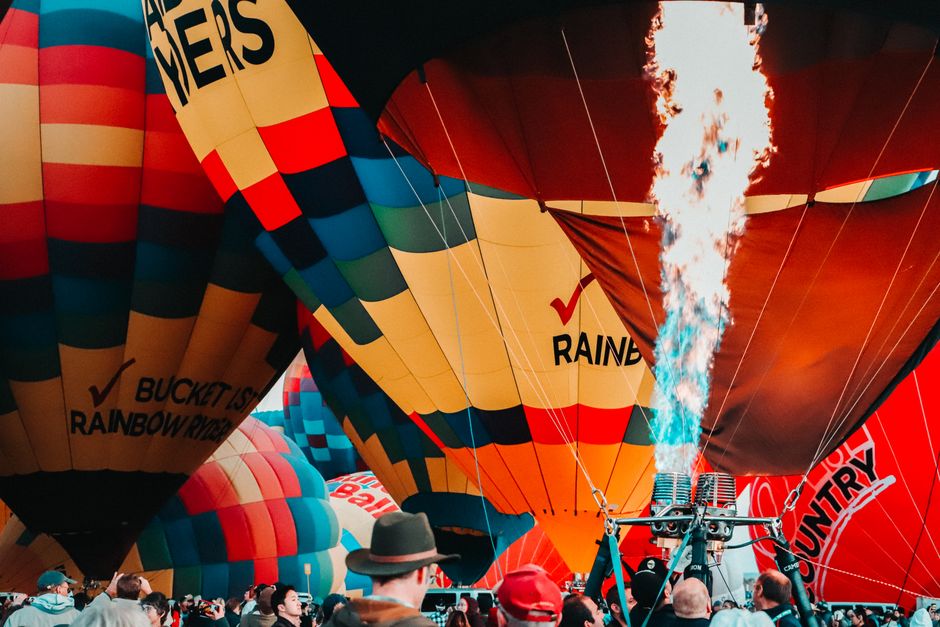
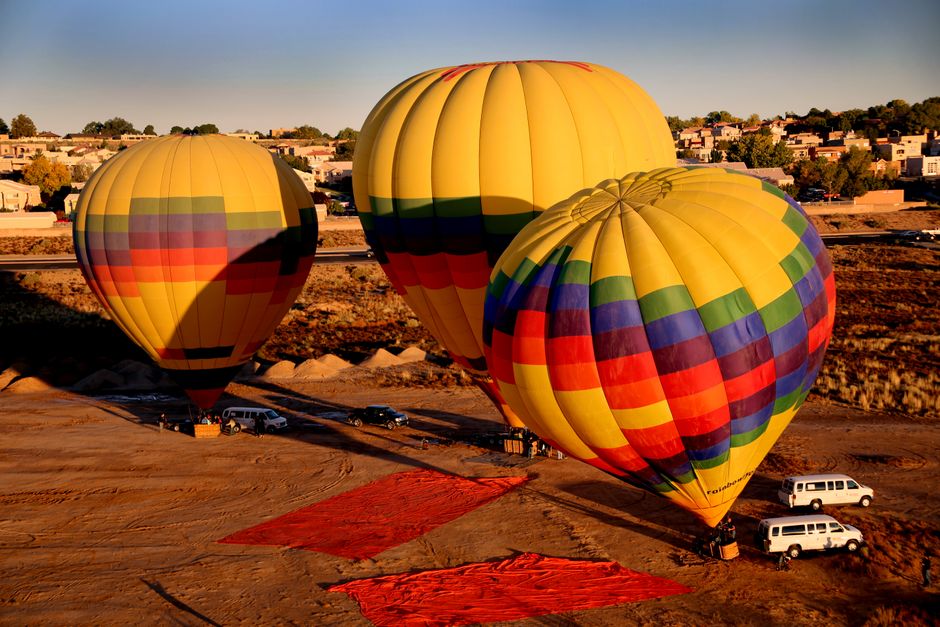
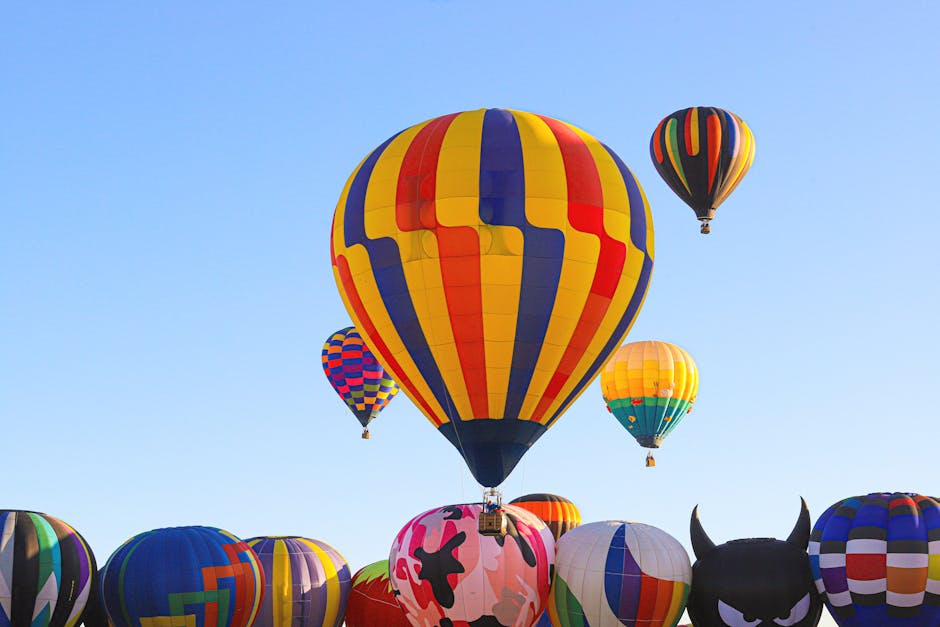
I'm not saying don't go during Balloon Fiesta week. That's a genuine spectacle—hundreds of hot air balloons launching at dawn, the whole city buzzing with an energy you can't manufacture. But if you're visiting any other month and expecting to experience that magic at the Balloon Fiesta Park? You'll find an empty field with some gift shop merch and a lot of parking lot.
Even during the festival itself, it's crowded as hell, the parking situation approaches parking-lot dystopia, and you're surrounded by twenty thousand other people who had the same idea. Go if the timing works. Otherwise, your time is better spent literally anywhere else in the city.
The Petroglyphs Aren't the Main Event
Petroglyph National Monument sits just west of the city and draws a steady stream of hikers expecting something revelatory. The petroglyphs themselves—carved into volcanic rock by ancestral Puebloan peoples over centuries—are genuinely significant from an archaeological standpoint. But the visitor experience can feel like you're on a slightly more scenic version of any suburban nature walk.
The main trail gets plenty of foot traffic, the best petroglyphs are small and easy to miss, and the full experience is usually underwhelming compared to what your mental image promised. It's not bad, exactly. It's just not the centerpiece of a trip that people often treat it as. A morning visit if you're already interested in petroglyphs; don't organize your whole schedule around it.
Skip the Zoo. Find Tingley Beach Instead.
The ABQ BioPark Zoo exists and is competent. That's the most I can say. For a city this size, it's not particularly outstanding, and you're paying standard zoo prices for a standard experience. If you've got kids, fine. Otherwise, there are better ways to spend a half day.
Instead, walk or bike around Tingley Beach, a string of ponds and wetlands along the Rio Grande just south of Old Town. It's a legitimate birding spot—herons, egrets, ducks, the occasional bald eagle if you're lucky—and it's free. The path is flat, it's pretty without being overdone, and it's where actual locals go when they want to be outside. Go early morning for the best light and the least heat. Bring binoculars if you have them, or just enjoy the water and the quiet.
Unrated? The DEA Museum and the Quirk of It
The International Narcotic Enforcement Officers Association Museum isn't on most visitors' radars, and that's the point. It's a genuinely weird, small museum in a building that used to house DEA operations, full of confiscated drug paraphernalia, undercover technology, and the kind of exhibits that make you realize how strange some of this history is. It's not polished. It's not designed for maximum Instagram potential. It's just a museum that exists because there's real knowledge here.
The staff are usually available to talk, and the whole thing has the vibe of walking into someone's carefully curated collection rather than a tourist attraction. Spend an hour, learn something odd, and you'll have a more interesting conversation starter than "yeah, we went to Old Town" at your next dinner party. It's on Constitución Avenue, and it costs almost nothing.
The Nob Hill District Beats Central Avenue Every Time
Central Avenue is the main tourist corridor, and yes, there are good businesses on it. But Nob Hill—a neighborhood east of the university that's gone through waves of gentrification and revival—has actual character without the manufactured feel. The streets are lined with local coffee shops that serve excellent coffee because the owners actually care, brewpubs that aren't trading on tourism, vintage shops with real inventory.
Walk along Central Avenue in Nob Hill (different from the Old Town Central) or bike up Carlisle Boulevard. You'll pass murals that seem like actual community art rather than placemaking, bookstores that have opinions, restaurants that serve versions of New Mexican food that feel like someone's grandmother is involved. The whole neighborhood has the vibe of a place where people actually live and make things. Spend a Saturday afternoon here and you'll understand the difference between a tourist area and a neighborhood that just happens to have good food and culture.
KiMo Theatre and the Specific Joy of Older Buildings
The KiMo Theatre is a 1927 movie palace on Central Avenue—Art Deco mixed with Pueblo Revival style, ornate in a way that feels genuinely intentional rather than kitsch. You can tour it, and tours are usually free or cheap. Even if nothing's scheduled, sometimes you can peer inside during business hours.
What strikes you isn't that it's a hidden gem—it's plenty known among locals—but that it's a place where someone clearly loved something and it's been maintained with that love showing. The murals, the restored ceiling, the boxes and balconies. It's the kind of building that makes you understand why Albuquerque's older residents talk about the city the way they do. Catch a show if something's on; even just walking past it and peeking in costs you nothing.
Sandia Peak at Sunset, Without the Tram Line
The Sandia Peak Tramway is the obvious way to see the mountains. You go up in a tram, you're at elevation, you see the view. Thousands of tourists do it yearly. If you actually want to experience the mountain, drive up Forest Road 333 to the foothills, and hike one of the trails that climbs toward the peak. The Domingo Baca Canyon trail is a good one—steep enough that it filters out casual walkers, long enough that you actually feel like you've done something.
You don't need to summit. Just get high enough that you can see the city spread out below and the mountains continue above. Do it in late afternoon so you catch the light changing. The Sandia mountains are called that because they turn salmon-pink—sandia color—at sunset. You won't see that from a parking lot. You'll see it by actually being in the hills as the light shifts.