
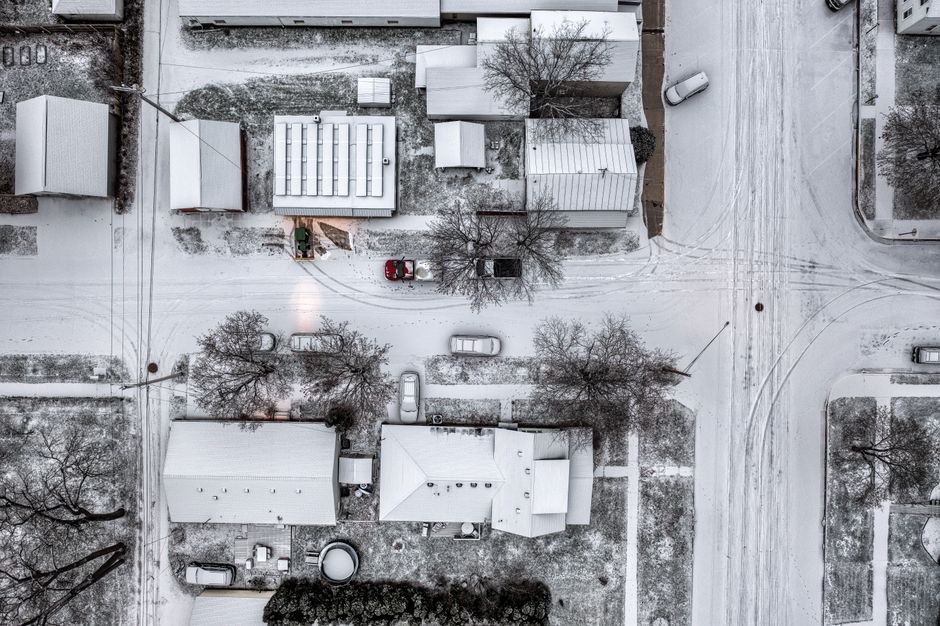
I landed at Albuquerque International Sunport on a clear afternoon, rented a car, and immediately got turned around trying to find my hotel. The city sprawls differently than I expected—less grid, more organic, shaped by the Rio Grande and the surrounding mesas. After a few wrong turns and a decent red chile lunch, I started to understand the rhythm. Albuquerque isn't trying to be Denver or Santa Fe. It's itself: a working city with serious character, old bones, and neighborhoods that actually feel distinct from one another.
That first confused drive turned into a real education. Over the next few weeks, I walked and drove through six different neighborhoods, ate and talked my way through each one, and came to see that where you land here matters. The city doesn't have the unified walkability of a compact downtown—instead, each area has its own personality, its own crowd, its own reason to exist. If you're choosing where to stay, or thinking about moving here, that matters.
Old Town: The Tourist Anchor
This is where the city actually began, back in 1706, and it still feels like the gravitational center for visitors. The plaza is ringed with galleries, gift shops, and restaurants that range from genuinely good to aggressively mediocre. But there's a real historical layer here—the San Felipe de Neri Church actually dates to 1793—and if you walk past the main drag, the neighborhood has actual residents, actual houses, actual life beyond the souvenir stands.
Old Town suits tourists and travelers who want walkability, history, and easy access to the Albuquerque Museum and the New Mexico Museum of Art. Parking is tight and perpetual, and the main strip can feel touristy in the worst sense. But duck into the side streets, grab coffee at a local café, and you'll find something real. Families appreciate the museums and the pedestrian-friendly layout; first-time visitors feel like they've seen "Albuquerque" here, even if it's only one slice of it.
Nob Hill: Young Professionals and the Walkable Sweet Spot
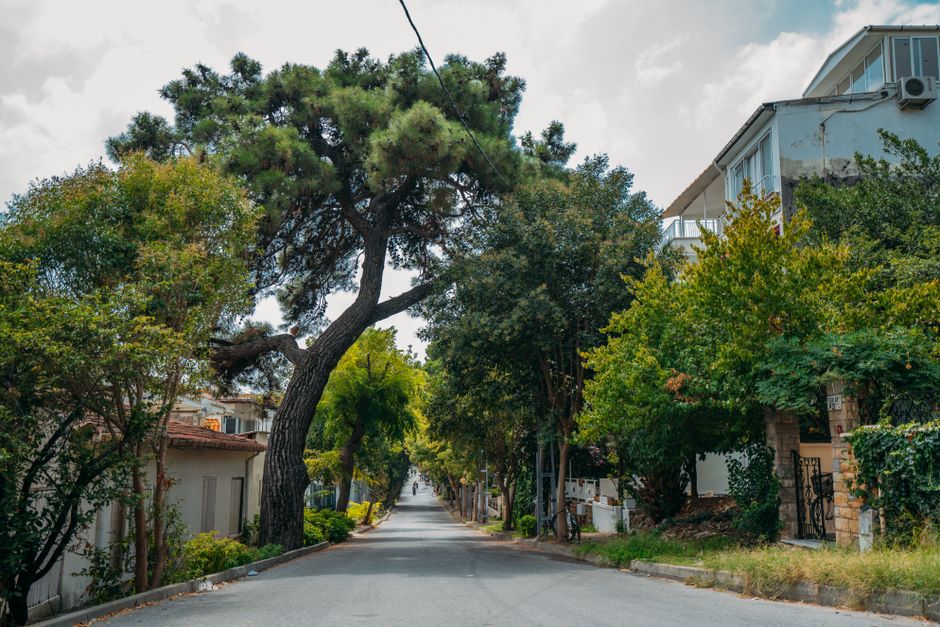
Nob Hill is what happens when a historic neighborhood gentrifies the right way. Central Avenue runs east-west through the middle, and this is the neighborhood that actually invites you to park once and walk around. The architecture is eclectic—Craftsman homes, 1950s bungalows, mid-century apartments—and most of it has been refreshed without being sanitized.
The restaurant and bar scene here punches well above the city's weight. Scallo Northern Grill, Sadie's of New Mexico, and a rotating cast of breweries and coffee shops make this feel like the intellectual center of town. Young professionals, remote workers, and anyone seeking an actual neighborhood vibe choose Nob Hill. You'll pay more for rent here than in less developed areas, but you get walkability, density, and the sense that you're in a place where things actually happen. Families with older kids might like it too, though the neighborhood leans younger and more urban. It's not for retirees seeking quietness.
Downtown: The Emerging Heart
Downtown Albuquerque spent decades as a place you drove through, not a place you stayed. That's changing visibly, year by year. The Albuquerque Civic Plaza, the KiMo Theatre, and the Central Avenue corridor have seen real investment and real life return to the streets. The conversion of old buildings into lofts and apartments is creating an actual residential base, which is the engine of neighborhood revival.
It's rougher around the edges than Nob Hill—there's real urban texture here, which includes both character and some genuine street-level caution, particularly after dark. But if you want to be in an actual city neighborhood that's actually evolving, and you don't mind some grit, Downtown delivers. Young professionals and artists are the primary draw; it's not ideal for families with small children or anyone seeking a polished experience. The bones are good, though, and the trajectory is real.

North Valley: Quiet, Suburban, Family-Oriented
Heading north from the city center, the North Valley transitions into a quieter, more suburban landscape. This is where families with school-age kids and retirees seeking affordability tend to land. The area is less walkable than Nob Hill or Old Town—you'll need a car for almost everything—but that's part of the trade-off. Housing is more affordable, neighborhoods are quieter, and the sense of pace is genuinely slower.
The North Valley doesn't have the restaurant density or the cultural cache of central neighborhoods, but it has parks, good schools, and the kind of stability that appeals to people settling in long-term. If you're visiting, you probably won't stay here; if you're moving to Albuquerque with a family and a mortgage to think about, it makes serious sense. The Alameda area, with its tree-lined streets and local elementary schools, is particularly well-regarded by families.
University Area: Students, Academics, and Budget-Conscious Renters
The University of New Mexico anchors the southeast quadrant, and the neighborhood that surrounds it has the energy and economics you'd expect. You'll find cheaper rent, younger demographics, bars that stay open late, and the kind of cultural programming that universities generate. It's not the slickest neighborhood in the city, and it has its share of student-rental-house wear, but there's real vitality here.
Visitors won't generally stay in the University Area unless they're attending the university or looking for budget accommodation. New residents who are students, adjuncts, or early-career professionals often land here because the rent is genuinely lower and the walkability to campus is real. It's young, it's casual, and there's a genuine intellectual life humming underneath the surface. Families and retirees have little reason to consider it.
Los Duranes and the Westside: Rio Grande Views and Character
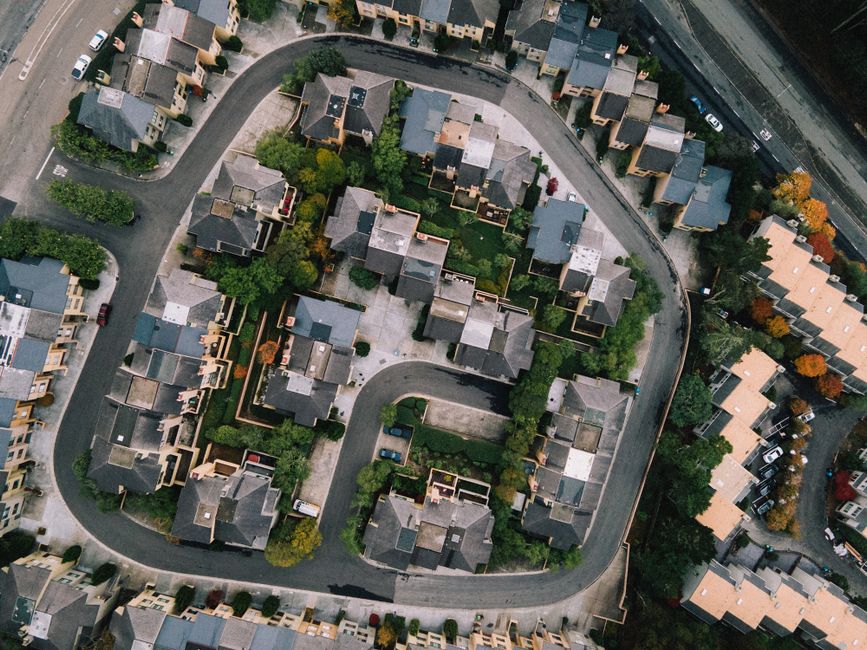
West of the Rio Grande, the neighborhoods thin out into a different character entirely. Los Duranes, just across the river, is an older, quieter area with genuine roots in the Spanish colonial settlement pattern. It's less developed, less traversed by tourists, and feels genuinely residential in a way that some parts of Albuquerque don't. Housing stock is older, more affordable, and less uniform. You'll see actual history written into the architecture and the layout of the streets.
This is less a tourist destination and more a neighborhood where people actually live. It suits retirees, families seeking quietness and affordability, and anyone who doesn't need the walkable restaurant scene. The Westside more broadly, while not as developed, offers that same quietness and that same sense of being removed from the tourist infrastructure. The trade-off is distance—you're driving to get anywhere beyond your immediate area.
Getting Around and the Real Shape of Albuquerque
Albuquerque isn't a neighborhood city in the way Portland or San Francisco is. You can't just hop the bus and traverse six neighborhoods in an evening. You'll need a car, or at least a real willingness to use Ubers and accept the time cost of getting between places. The city is shaped by car culture in a way that's fundamental to how it actually works.
But that's not a failing—it's just the reality of a sprawling Southwestern city that grew up around the automobile. Once you accept that, you can actually enjoy the fact that neighborhoods remain distinct and separate, that they don't blur into each other, that they have their own character and rhythm. You choose where you want to be, and that choice actually matters.
Where You Land Matters
Albuquerque rewards choosing your neighborhood intentionally. Old Town if you want tourist access and history. Nob Hill if you want walkability, restaurants, and a younger demographic. Downtown if you want to be in an emerging, slightly rougher urban neighborhood. North Valley if you have a family and a budget. University Area if you're young and affiliated with the university. Los Duranes or the Westside if you want quiet and distance from the tourist infrastructure. None of these is the "best"—it depends entirely on who you are and what you're actually looking for. That's the whole point.


