I landed in Albuquerque on a clear October afternoon, the Sandia Mountains sharp against the sky. Like any solo traveler dropping into a new city, I did the math: Where should I actually be careful? Where's the hype, and where's the real caution? After a week walking the neighborhoods, talking to locals at coffee shops and diners, and reading through what the Albuquerque Police Department actually reports, I've got a clearer picture than the vague warnings you'll find online.
The truth is straightforward: Albuquerque is a real city with real neighborhoods, some safer than others, and a documented property crime problem that's worth taking seriously. But it's not a no-go zone, and most visitors and residents move through their days without incident by using basic judgment. Solo travelers who stick to well-trafficked areas, avoid walking alone late at night, and use rideshare when the sun's down do fine here.
Downtown and Old Town: The Checkerboard Reality
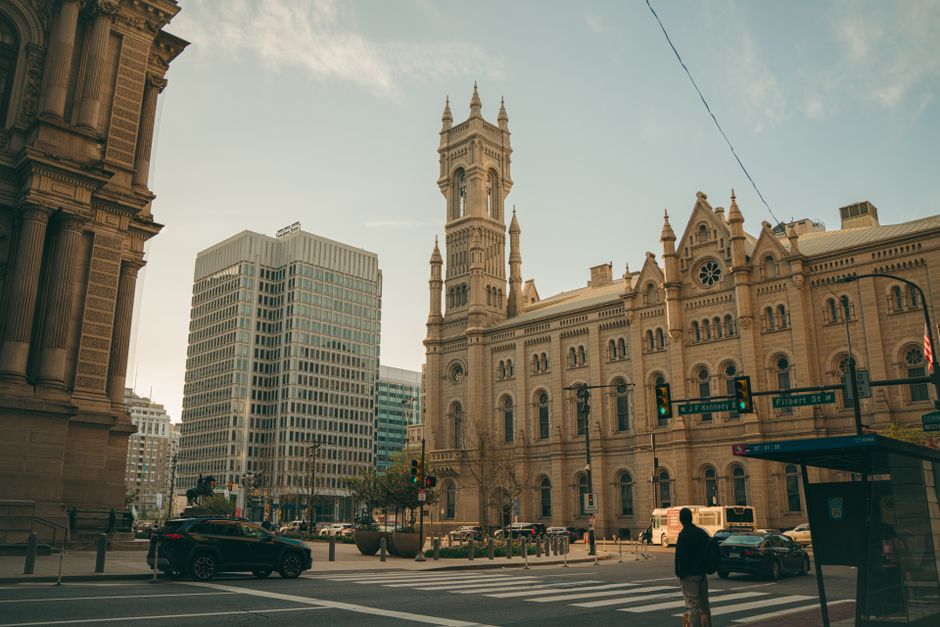
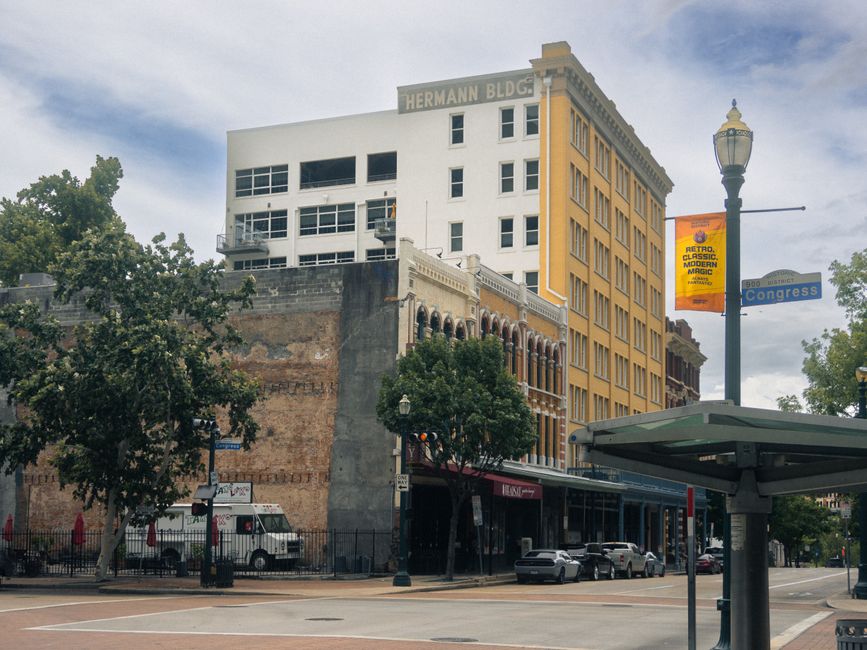
Downtown Albuquerque has transformed in pockets. The main pedestrian drag around Central Avenue, especially near galleries and the KiMo Theatre, bustles during business hours and feels reasonably safe. The Old Town plaza itself—the adobe tourist zone—stays fairly populated and monitored, especially during daylight. I walked it midday without issue and saw families and tour groups moving through.
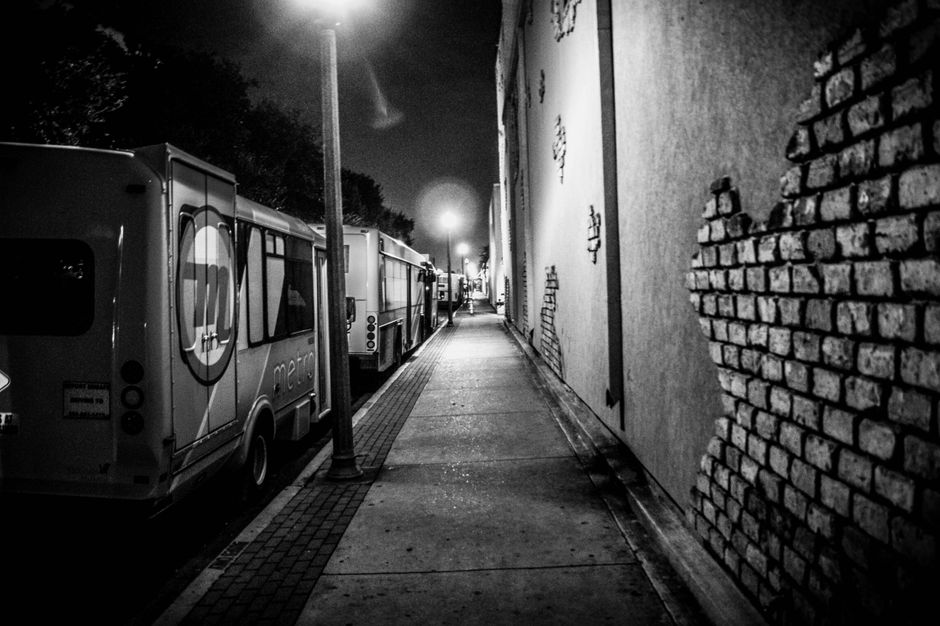
But here's the thing: as soon as the sun starts dipping, the energy shifts. Some blocks near downtown thin out faster than others. The neighborhoods immediately east and north of the plaza, beyond the main tourist corridor, get noticeably quieter and less lit after dark. Local residents and police alike advise against solo walking in these areas after sunset, especially if you're not familiar with the streets. Stick to rideshare or the bus if you're going out at night from downtown.
The I-25 Corridor and Areas to Avoid at Night
Property crime—car break-ins, package theft, the occasional burglary—is a documented issue across Albuquerque, and it's worth knowing which neighborhoods see higher-than-average reports. The area directly south of downtown and east of I-25, particularly around San Pedro and parts of the South Valley, shows up frequently in police reports. This isn't to say every block is unsafe; entire neighborhoods contain both fine residential streets and problem zones mixed together. But as a solo traveler without local knowledge, you're better off avoiding these areas after dark and being extra cautious about where you park your rental car, period.
Northeast Heights—the affluent area near the university—feels safer and more upscale, though break-ins and property theft happen everywhere in this city. The Northwest area around the Cottonwood Mall has mixed vibes; daytime is fine, but again, nighttime solo walks aren't ideal.
Practical Transit and Getting Around Safely
Albuquerque's ABQ Ride bus system is your friend if you're wary of walking. It's reasonably priced, runs decent hours, and you'll see plenty of regular commuters. I used it to move between Old Town and Nob Hill without stress. Rideshare—Uber, Lyft—is readily available, though surge pricing hits harder late at night. If you're exploring after dark, budget for it; it's cheaper than ending up in a situation you didn't plan for.
Renting a car? Park in well-lit, populated areas whenever possible. Don't leave valuables visible on the seat. The usual precautions apply, but they matter more here given the property crime rate. Hotel parking lots and established paid lots are your safest bet. If you're walking between locations, do it during daylight hours and stick to the main commercial strips—Central Avenue during business hours, the Old Town plaza, Nob Hill's core retail zone.
Nob Hill and University Area: Good Daytime, Plan Ahead at Night
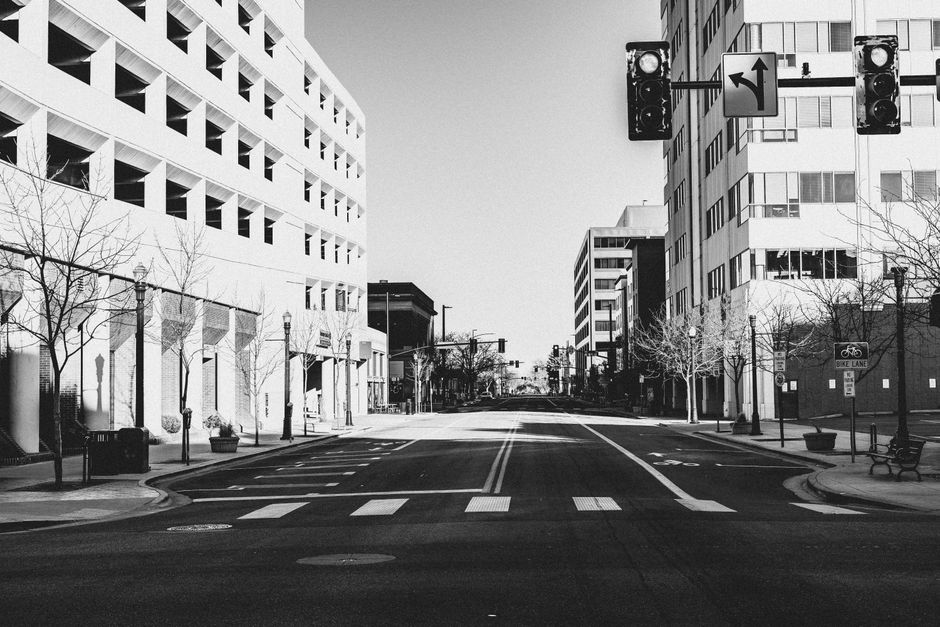
Nob Hill is genuinely pleasant. The neighborhood has bookstores, cafés, vintage shops, and a young, artistic vibe. I spent a morning there browsing and eating breakfast without feeling on alert. Families and solo travelers come through regularly. But again, once it's dark, the neighborhood thins out. Some blocks are better lit and more monitored than others, but relying on a solo nighttime walk here isn't the move—especially if you've had a drink or two.
The University of New Mexico area (UNM) itself feels like a college campus—busy, open, with foot traffic. Daytime is straightforward. Nighttime requires more caution; students use campus security escorts and shuttles for a reason. If you're staying nearby and want to explore after hours, use the same rideshare logic.
General Precautions That Actually Work
Solo travelers here should follow patterns that work everywhere: don't walk alone late at night, especially not in unfamiliar neighborhoods. Vary your routine. Keep your phone charged. Let someone know where you're going. Avoid displaying expensive gear—camera, jewelry, new phone—on the street. These aren't paranoid measures; they're baseline street smarts that locals practice, too.
Police presence varies by neighborhood, and response times can be longer in some areas than others. That's not a reason to panic; it's context for why visibility and populated routes matter more. Stick to main commercial areas after dark. Use official taxis or rideshare apps rather than flagging cabs on the street. Trust your gut. If a block feels off at night, move to a different route or call a car.
The Broader Picture: Most of the City Is Fine
I want to be clear: most of Albuquerque is inhabited by regular people going about their lives without drama. Families live here, retirees enjoy the weather, young professionals and artists are investing in pockets of the city. The neighborhoods west of Old Town, parts of Northeast Heights, and the residential sections of Nob Hill are stable and pleasant. It's entirely possible to visit Albuquerque, stay alert but not paranoid, and have a great time.
The issue isn't that Albuquerque is uniquely dangerous. It's that property crime and some property crimes affecting tourists do happen here more than in some comparable cities. That matters if you're solo and unfamiliar. But it doesn't mean you should skip the city or spend your time fearful. It means you should be intentional about your choices—where you walk, when, how you move around.
What Solo Travelers Actually Do Here
In my week there, I met solo travelers at the Standard Diner at breakfast, saw them exploring the Sandia Peak Tramway, watched them browse galleries in Old Town during the day. I met a woman from Denver who'd rented a car and was driving out to see petroglyphs and hiking trails. A guy from Chicago was spending three days doing brewery tours and had figured out the bus routes. None of them were cowering in their hotels.
They were just making sensible decisions: visiting tourist areas during the day, using rideshare at night, sticking to well-populated commercial zones, not taking unnecessary risks. That's enough. The city rewards a bit of local intelligence and loses its scariness pretty quickly once you understand the geography and patterns.