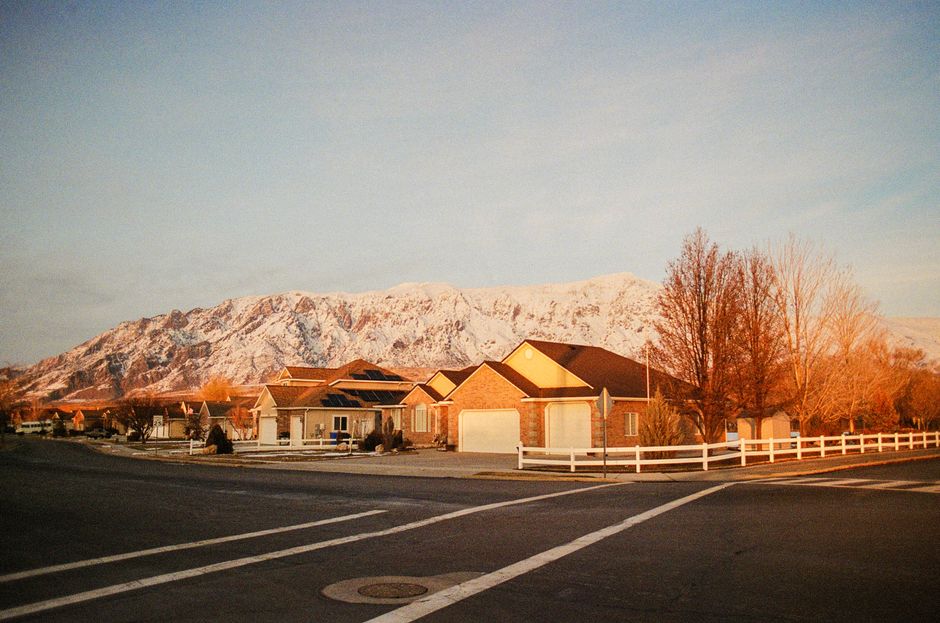
I pulled into Albuquerque on a clear October morning, the Sandia Mountains catching the light like someone had turned up the contrast on the whole landscape. The air was dry and warm, and from the highway I could already tell this wasn't a typical retirement relocation pitch—this is a real city with real character, not some manicured enclave designed exclusively for the 65-plus crowd.
Albuquerque gets floated around a lot in retirement circles, and for reasons that make genuine sense: the cost of living is significantly lower than most major metros, the winters are mild, and there's actual culture and outdoor recreation here, not just golf courses and early-bird specials. But like any place, it demands real consideration. Over a few weeks of talking to people who've already made the move and exploring neighborhoods where retirees actually congregate, I got a clearer picture of whether this desert city actually delivers on the promise.
Cost of Living: The Numbers Are Real, but Context Matters
The cost of living in Albuquerque runs roughly 10 to 15 percent below the national average depending on what index you consult, and that gap widens considerably when you're shopping for housing. A modest single-family home on the city's northeast side—where a lot of retirees cluster—might run $300,000 to $400,000, whereas that same property outside a coastal city would push $600,000 or higher.
Groceries, utilities, and gas are all cheaper here than in most major metros. A couple I met who relocated from Colorado Springs said their monthly expenses dropped by roughly $1,200 simply by moving here, mostly because they stopped paying Colorado's property taxes and found lower housing costs. That matters when you're on a fixed income.
But you can't ignore the flip side: home maintenance costs can surprise people unfamiliar with the desert. The dry climate is brutal on roofing materials, HVAC systems work overtime in summer, and water bills can climb if you're not used to rationing. One retired teacher told me she budgeted an extra $150 monthly just for preventative home maintenance that she wouldn't have anticipated. Income-wise, New Mexico's gross receipts tax (a sales-tax variant) runs higher than many states, though seniors do qualify for exemptions on certain purchases depending on age and income thresholds.
Healthcare Access: Adequate, Not Perfect
Presbyterian Medical Center and Lovelace Medical Center are the two main hospital systems serving the city. Both offer emergency services, specialist care, and the kinds of departments you'd want available if you're managing chronic conditions in retirement. The network is solid enough that most retirees I spoke with said they could find primary-care physicians without major delays, though specialty appointments sometimes required patience.
The city has geriatric specialists and several urgent-care clinics scattered throughout town, which matters when you need something handled quickly but it's not quite an emergency. I'd be honest: Albuquerque's healthcare isn't dramatically better or worse than a mid-sized American city. If you have highly specialized needs or require ongoing treatment for something uncommon, you might want to verify your specific doctors have practices here before committing. Phoenix and Denver are both a few hours away if you need tertiary care.
Medicare and supplemental insurance work the same way here as anywhere else, so there's no unexpected upside to the healthcare equation. The upside is that the lower cost of living means your healthcare dollars stretch further.
Climate: Four Seasons, Heavy on Sunshine
Albuquerque gets roughly 310 days of sunshine per year, which registers immediately when you're driving around. Winter highs hover around 48 degrees Fahrenheit, and snow is rare—most years you get a dusting that melts within a day. If you've been managing arthritis in Seattle or dealing with seasonal depression in the Midwest, the consistent light and mild winters genuinely feel restorative.
Summer is hot and dry. Highs in July and August routinely hit the mid-90s, sometimes cresting 100. But unlike humid climates, that heat doesn't feel suffocating; you step into an air-conditioned building and it's actually pleasant. Evaporative coolers (swamp coolers) work well here because of the low humidity, which keeps electrical bills from skyrocketing.
Allergy season exists but tends to be milder than in pollen-heavy regions back east. The trade-off is that the dry air means you'll go through more lotion and lip balm, and respiratory issues can worsen for some people—that's not universal, but it's worth mentioning. If you have severe respiratory conditions, it's worth spending a week here during different seasons before deciding.

Taxes: A Mixed Picture That Demands Individual Review
New Mexico taxes Social Security benefits, which is a notable difference from states like Florida or Texas where retirement income is largely untouched. That's not a dealbreaker, but it's a detail that gets glossed over in retirement blogs. The state income tax rate runs from 1.7 to 5.9 percent depending on your filing status and income level, which is lower than many states but not the lowest.
Property taxes in Albuquerque run roughly 0.8 to 0.9 percent of assessed value, which is reasonable compared to much of the country but higher than some tax-friendly states. New Mexico does offer a property tax exemption for seniors 100 percent disabled or aged 65 and older with certain income limits, so you might qualify for relief depending on your situation. The specifics shift based on county and state programs, so talking to a local CPA before moving makes real sense.
If you're working part-time in retirement or have substantial investment income, you'll want to model out your personal tax situation rather than relying on generalities. The state-level breaks exist, but whether they apply to you depends on your individual circumstances. Don't let one article—including this one—be your tax guide. Talk to someone who knows New Mexico's code.
Northeast Albuquerque: The Default Retiree Neighborhood
If you search online, you'll see Northeast Albuquerque mentioned constantly. It's the wealthiest and most residential quadrant of the city, with tree-lined streets, established neighborhoods, and more retirees per capita than anywhere else in town. Neighborhoods like Ridgetop, High Desert, and areas near Uptown have the infrastructure that appeals to people planning their later years: good schools nearby (mattering to grandparents), well-maintained parks, and enough commercial activity that you're not driving 20 minutes for groceries.
The downside is that property values here are higher than elsewhere in the city—not California-high, but enough that you'll pay a premium. It's also where tourism and retail concentrate, so there's more traffic and less of a quiet neighborhood feel. I walked around several blocks and found pleasant tree coverage and decent walkability, but it doesn't have the slower-paced, tucked-away quality some retirees want. It's convenient, safe, and active, which resonates with people who want to stay engaged. If you're the type who likes having restaurants, shops, and cultural events nearby, you'll be happy. If you want escape and quiet, you might find it monotonous.
Corrales and Los Ranchos: Quieter Alternatives Just North
Drive about 15 minutes north of downtown and you hit Corrales, a small village straddling the Rio Grande with a distinctly rural character while remaining close enough to the city for healthcare and shopping. It's lined with dirt roads, acreage, and a surprising number of artists and retirees who chose privacy over proximity to downtown. Property costs are lower than Northeast Albuquerque, and you get actual space—homes often sit on half-acre to multi-acre lots.
Los Ranchos, just to the west, is similar: quiet, largely agricultural, with an older-retiree demographic. Both towns are unincorporated county territory, which means fewer municipal services and slower emergency response times than the city proper, so that's a trade-off worth weighing. If you've been urban your whole life, the lack of sidewalks and the rural infrastructure might feel isolating. But for someone who wants garden space, silence, and distance from traffic, they're genuinely appealing. Groceries and medical care still require a drive, but it's a manageable one.
Rio Rancho: Planned Community East of the City
Rio Rancho is a planned community roughly 20 miles north and west, with a booming retiree population and the feeling of a newer, master-planned development. Home prices here are often lower than comparable Northeast Albuquerque properties, and there's an older-adult demographic large enough that you'll find retiree-focused amenities and social structures. The community has active-adult communities and retirement developments scattered throughout.
The trade-off is obvious: it's a car-dependent sprawl, and the newer development means fewer trees and less established character than neighborhoods with decades of growth. You're buying convenience and a ready-made community of people your age, but you're losing the urban feel and the walkability of older parts of Albuquerque. It works perfectly for people who want a retirement community with activities and similar-aged neighbors. It's less interesting if you want grit or cultural engagement. The location between Albuquerque and Santa Fe also means you're positioned to access both, though you're not really close to either.
The Practical Reality of Moving Here
Albuquerque makes sense for retirement if you're cost-conscious, comfortable with dry heat and altitude, and don't require cutting-edge medical infrastructure. It's an affordable city with real character—galleries, restaurants, outdoor access, and a cultural life that exists independent of the retiree population.
It doesn't make sense if you're running from something with unrealistic expectations that Albuquerque will be a quiet, sleepy town. It's growing, it has traffic, and parts of it feel genuinely sketchy if you venture into the wrong areas. Crime isn't dramatically worse than other mid-sized metros, but it's present, and you should do neighborhood-specific research rather than treating the whole city as equally safe.
Spend time here before deciding. Rent for a month or two. Walk the neighborhoods you're considering in different seasons. Talk to people who've moved here and people who've left. The cost savings are real, the weather genuinely is a draw, and healthcare access is adequate. But it's not magic, and it requires the same practical deliberation you'd give any major life decision.