
I rolled into Asheville on a Friday evening last spring, ditched my car at a parking garage on Lexington Avenue, and walked straight into the kind of downtown energy that makes you understand why people move here and stay. The streets were busy—musicians busking, restaurants packed, people of every variety moving between bars and galleries. It felt safe in the way most walkable downtowns do when they're full of people and light.
That said, I'm not naive. I've been solo traveling long enough to know that any city with a thriving downtown, a college population, and a homelessness rate higher than the national average has its real and its perceived dangers. Asheville's reputation—especially online—swings between "mountain paradise" and "surprisingly rough for such a pretty place." The truth, as usual, is more textured than either extreme.
The Real Safety Picture
Let's start with actual data. Asheville's violent crime rate sits above the national average, yes. Property crime is also higher than average for a city its size. But that's very different from saying Asheville is dangerous. Most violent crime in the city, like most places, clusters in specific areas and often involves people who know each other. A tourist or solo traveler sticking to normal precautions in normal places runs normal-level risk.
The local police department publishes crime statistics, and the Asheville-based nonprofits and resident forums talk about safety honestly. The pattern that emerges: certain residential blocks have documented issues, particularly in South Asheville and some pockets north of downtown. Downtown itself, despite what you might read in alarmist travel forums, is generally well-patrolled and populated. That doesn't mean zero risk—nowhere has zero risk—but it's not a maze of danger.

Downtown and the Tourist Core
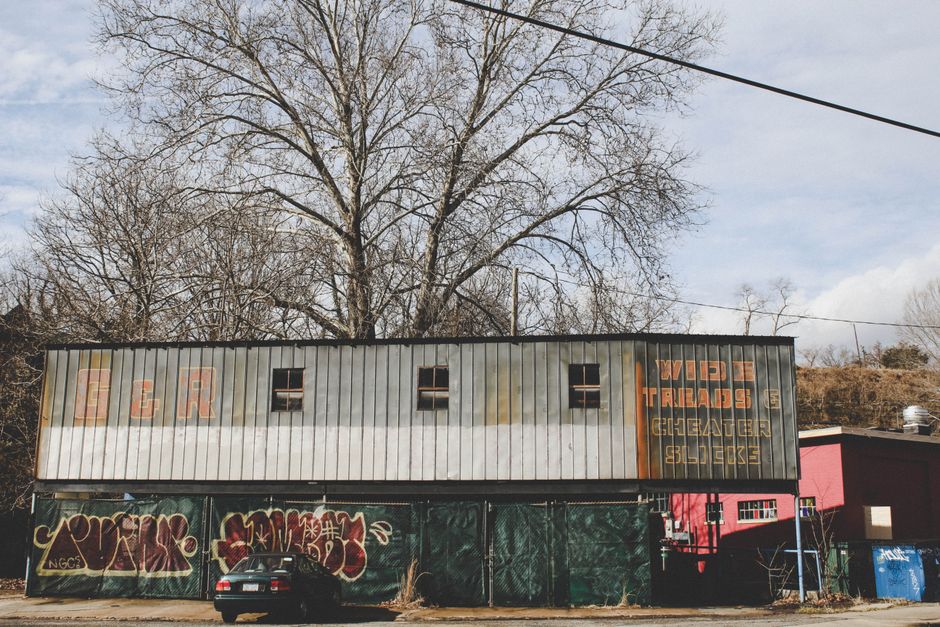
You're probably spending most of your time downtown, and you should feel fine there. The main drag—Lexington Avenue and surrounding blocks—is well-lit, busy most hours, and has a visible police presence. The same goes for the River Arts District on the south side of the French Broad River. I walked that neighborhood solo at various times and the crowd there is mostly artists, families, and visitors.
The art galleries, breweries, and restaurants are genuine. The people working them are real locals. Typical precautions apply: be aware of your surroundings, don't flash expensive gear, stick to well-traveled routes after dark. Walking back to your car or hotel alone at 2 a.m. when the bars close deserves the same street sense you'd use in any city. But in the middle of the evening? This area is straightforward.
One thing to note: Asheville draws a lot of street presence downtown—panhandlers, people with addiction issues, folks dealing with mental health crises in public. That's the reality of a downtown with services and a mild climate. It's not typically aggressive or predatory. It's just what you need to navigate with ordinary composure and a "no thank you" when appropriate.
Neighborhoods to Know
South Asheville, particularly along Patton Avenue and into some residential blocks, has higher property and violent crime rates. This isn't the tourist zone, and most solo travelers won't end up there accidentally. But if you're renting a short-term place or considering staying outside downtown, ask a local. The distinction matters.
North Asheville, especially around the highways and commercial strips (US 19/23 corridor), has less foot traffic and less visibility. Again, most visitors navigate this by car if at all. West Asheville—the Hazel Mills area—is increasingly gentrified and populated, and I've felt safe walking there in daylight. Evening walks less so, only because foot traffic is lighter.
The neighborhoods that feel safest are River Arts, downtown, and the central residential areas like Montford. These also happen to be where solo travelers actually spend time.
Practical Precautions That Actually Matter
Time of day changes everything. Downtown Asheville in daylight or early evening (before midnight) is a completely different environment than 3 a.m. If you're going to walk solo somewhere at an odd hour, downtown is still your best bet—more witnesses, more lighting, more police. But earlier is always better.
Public transit exists but isn't extensive. ART (Asheville Rides Transit) serves the city, and there's a downtown trolley in warmer months. Using transit for night movement is sensible. Your feet are fine during daylight and early evening, especially in populated areas. After bar close (2-3 a.m.), a rideshare or taxi makes sense, same as anywhere.
Stick to main commercial corridors. Lexington Avenue, South Slope breweries, West Asheville's retail areas—these are populated and monitored. Cutting through residential blocks or parking lots as shortcuts doesn't save meaningful time and reduces situational awareness. Walk like you know where you're going, even if you're checking a map. Keep headphones at a volume where you can hear surroundings. Don't leave valuables visible in your car or hotel room.
These aren't unique to Asheville. They're baseline solo travel sense.
The Substance and Homelessness Reality
I'm going to say this plainly because it affects your experience: Asheville has a visible homelessness population and open drug use is evident in certain areas, especially downtown and along some main corridors. This is a regional issue—Blue Ridge region opioid and stimulant addiction, limited affordable housing, winter weather driving people to urban centers. It's not unique to Asheville, but it's notable here.
For a solo traveler, this means you'll encounter panhandling, see people in crisis, and potentially witness drug activity. It's uncomfortable and sad, not typically threatening. The people experiencing homelessness aren't generally targeting tourists. Aggression toward visitors is rare. Standard urban response applies: polite but firm refusals to requests, awareness of your surroundings, moving on.
If you're deeply uncomfortable with visible poverty and addiction, you should know that aspect of Asheville is real. If you're used to cities or mature about the reality of where you're traveling, it's manageable.
Bars, Nightlife, and Evening Common Sense
Asheville's nightlife is one draw for travelers. It's also where caution needs to activate. The bar scene is concentrated downtown and in South Slope. Both areas are well-lit and busy on weekends. Normal bar-safety rules: watch your drink, travel with friends or tell someone where you're going, use rideshare home rather than walking late, don't get separated from your group.
I saw mostly good-natured crowds. The city's weird, artsy vibe extends to the bars—live music, mixed ages, generally non-aggressive. But it's still alcohol and volume, which means edges fray late. Women solo traveling should be especially alert but shouldn't avoid the bar scene entirely. Going out with other travelers, staying in well-populated venues, and leaving before the very last call is standard wisdom.
Drug activity is visible in some bar areas and bathrooms. That's a city reality. Your own sense of risk and comfort should guide whether you participate in the wider scene or keep it lighter.
Solo Female Travelers
Women solo traveling in Asheville report feeling generally safe but note the same concerns they'd have anywhere: bar harassment, catcalling on certain blocks, caution after dark. The outdoor culture means daytime is welcoming—hiking, coffee shops, galleries are comfortable and well-populated. Evening and night require more awareness.
The usual applies but bears repeating: vary your routine, don't advertise valuables, trust your gut about people and places, and remember that Asheville's artistic, alternative culture is generally more progressive and less threatening than some regions. That's not absolute safety, but it's a demographic factor worth noting.
The Practical Bottom Line
Asheville is a real city with real safety concerns in real neighborhoods. It's not a mountain theme park. But for a solo traveler sticking to downtown, the Arts District, breweries, restaurants, and main commercial areas during reasonable hours, the risk is ordinary—no better or worse than any mid-sized American city.
Spend your days exploring the River Arts District, hiking in the nearby mountains, sitting in coffee shops. Spend your evenings in downtown bars and restaurants with other people around. Use a rideshare to get back to your hotel after midnight. Avoid residential blocks when it's dark and you're alone. Don't flash expensive gear. Don't leave things in your car.
Do that, and you'll have a fine time. Asheville's actual charm—the art, the food, the mountains, the genuine weird—is real and worth the trip. Just don't expect it to be a fantasy. It's a city, with everything that means.



