
I rolled into Asheville on a gray Tuesday morning with my laptop and no particular plan beyond finding a decent cup of coffee. What I found instead was half a dozen cafes—some packed with regulars and laptops, others quiet enough that you could hear yourself think—that made me forget about working through an itinerary and just settling in. The city's cafe culture isn't accidental. People move here for it. They stay because of it.
Asheville's cafe scene runs deep into the neighborhoods, away from the tourist corridor on South Lexington. You've got the obvious players, sure, but the real character lives in places where the owner knows your name by your second visit and the WiFi password has been the same for three years.
Odd Duck Cafe: The Reliable Standard-Bearer
Odd Duck sits on a corner in South Slope, the warehouse district that's become Asheville's unofficial creative quarter. The space is all exposed brick and tall windows, good light if you grab a front-facing seat. Laptop crowd here, but not aggressively so—people work quietly, respect the headphone users. The coffee is straightforward and competent, not trying to be precious. Their pastry game is solid: croissants that are actually flaky, a rotating selection of muffins and scones that don't taste like they were made three days ago.
WiFi is strong and predictable. Seating runs toward the communal table side, which means if you're looking to people-watch you get a decent cross-section of who's actually working in this city versus who's just visiting. Mornings get crowded around 8 a.m.—come before or after if you need concentration. They open early, close early, which is worth noting if you're planning a full workday.
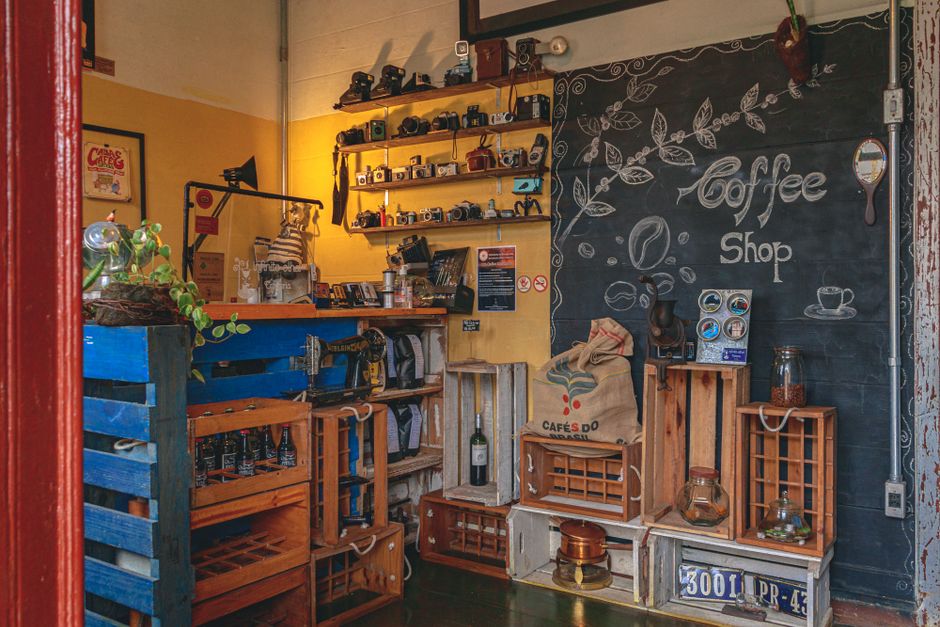
White Duck Taco Shop (Coffee Program): Unexpected Depth
This one surprised me. White Duck is known for tacos, and they do good tacos. But they've invested serious time in their coffee operation. The espresso machine doesn't collect dust between lunch and dinner. The drink-making is deliberate without being pretentious. Their cappuccino hits the balance between milk and espresso that most places struggle with.
Seating is limited—a few high-tops along the window on Lexington Avenue. It's not ideal for a six-hour work marathon, but perfect if you need a two-hour focused block and don't want the cafe atmosphere to feel stale. The neighborhood is walkable and densely packed with other shops, so boredom isn't an issue. The pastries are secondary to their food focus, but their breakfast sandwiches will interrupt your work in the best way.
Over the Moon Cafe: The Neighborhood Anchor
Over the Moon occupies a smaller, quieter section of South Lexington—walkable but not overwhelmed by foot traffic. It's the kind of cafe that feels like it's been there longer than it probably has, with that worn-in comfort that regulars help build. The space is intimate, a bit quirky in layout, with corners and nooks that feel semi-private despite being totally open.
Their coffee is good. The pastries are above average—Danish pastries, scones, seasonal specials that actually taste like something was in season. WiFi is reliable. The real draw is the atmosphere: quiet enough to work, social enough that sitting alone doesn't feel isolating. This is where you'll see Asheville's working residents, not tourists. The neighborhood around it—vintage shops, small galleries, local businesses—means if you need a walk break you're not ending up in a gift shop selling 'Keep Asheville Weird' merchandise.

Frog and Fox Coffee: The Underrated Smaller Play
Frog and Fox is on the quieter end of Asheville's coffee list, which means the WiFi holds up and you won't feel like you're in a hostel common room. The space is genuinely small—five or six table seats if you're lucky—so it's not the spot for a all-day camp-out. But if you work in focused blocks, or if you just want to be somewhere that doesn't feel like a machine optimized for Instagram backdrops, this is worth the trip.
The coffee is competent. The pastries are from local bakeries. The actual appeal is the lack of performance about it—this is a cafe for people who want a cafe, not people who want to be seen in a cafe. Located in a neighborhood that doesn't get the same foot traffic as downtown areas, it has the benefit of actually being quiet. Laptop users exist here, but they're not performing their laptop use for anyone.
Biltmore Village Cafe: Location as an Asset
Biltmore Village Cafe sits at the edge of the Biltmore Estate grounds, which sounds touristy but actually means you get genuinely nice landscaping and a subset of people who are taking the area seriously. The cafe itself is small, well-designed, with a view toward the estate grounds that's pleasant without being distracting.
WiFi here is solid. Seating is limited but thoughtfully arranged. The coffee is good, the pastries are solid—nothing revolutionary, nothing disappointing. The real value is the location: if you're working here, you're surrounded by people actually visiting a major historic site, not just wandering through downtown looking for beer. The neighborhood around it is quieter, more residential, which makes a difference if you need concentration. It's a bit removed from the main cafe cluster, which is either a bug or a feature depending on what you're after.
Volo Coffee Roasters: The Technical Player
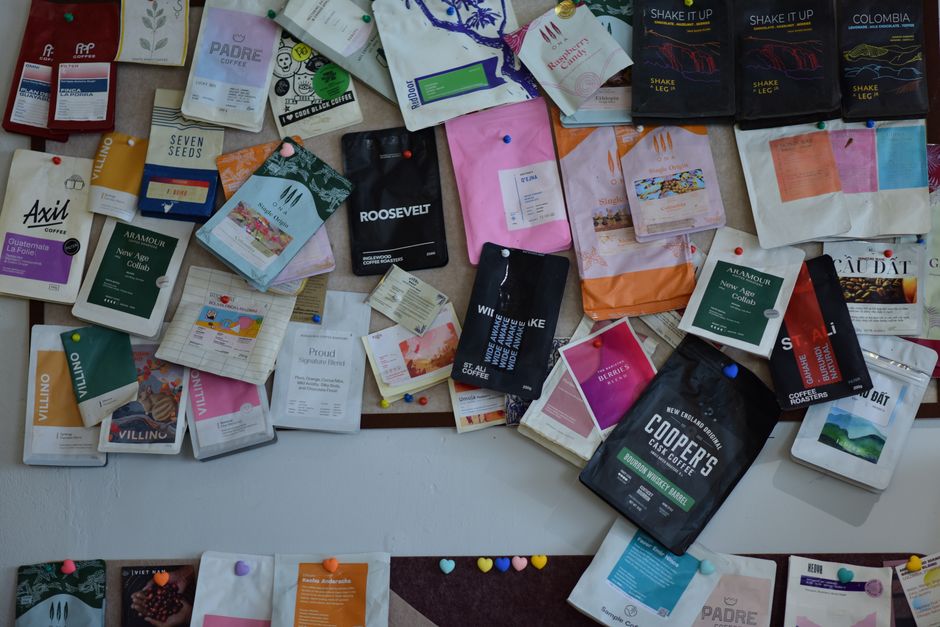
Volo takes their coffee seriously in the way that matters: good beans, proper equipment, people who know what they're doing. The space is industrial-adjacent, which means concrete and high ceilings and the kind of light that works for people who actually need to see their laptop screens. They have a roastery component, so the smell of the place is unapologetically coffee.
WiFi is reliable. Seating is ample—high-tops, regular tables, a bar that faces the roastery window. This is where you'll find people doing actual technical work, not just typing into Google Docs while looking thoughtful. The pastry selection is curated rather than extensive, which means what's there is worth eating. It's positioned for people who want to work, not for people who want to consume the experience of working in a cafe.
Neighborhood Notes and Timing
Asheville's cafe culture clusters mainly downtown and in South Slope, with stragglers in the neighborhoods around Biltmore Village. If you're visiting for a few days and want to actually work, don't try to hit them all. Pick one or two based on what you need—quiet focus, social atmosphere, good pastries, reliable WiFi—and spend time there. Regulars notice when someone camps for a week.
Mornings, 7 to 9 a.m., are peak everywhere. Afternoons, 2 to 4 p.m., are the sweet spot for work. Evenings get social again, which is fine if you're people-watching rather than concentrating. Weekends change the dynamic entirely—more tourists, different energy. Plan accordingly.
The Real Thing
Asheville's cafes work because they're not trying to be Asheville's cafes, if that makes sense. They're just places where people drink coffee and do their work and sit with their thoughts. The city's retained enough of its actual community underneath the tourism layer that cafes still function as cafes rather than just scenic backdrops. That won't last forever, probably. So if you're here, find one that matches your rhythm and show up twice. By the third visit, it'll feel like something real.