I rolled into Asheville on a Thursday in October expecting a quiet mountain town. What I found instead was a wall of tourists on South Slope, Instagram photographers staking out Craggy Gardens at sunrise, and a waiting list for every restaurant worth eating at. Don't get me wrong—there's plenty here that justifies the hype. But after a week of navigating the crowd and then deliberately steering away from it, I've got opinions about where the attention actually belongs.
Asheville's boom has been real and fast. The city's gone from overlooked brewery town to destination du jour in less than a decade, and it shows. Some of the heavy-lift attractions that put it on the map feel like they're running on momentum now. Meanwhile, there are quieter corners—museums, viewpoints, neighborhoods—that barely register in the standard travel guide and deserve way more attention than they get.
The Biltmore Estate: Iconic, Yes. Worth the Price and the Crowds? Less Clear.
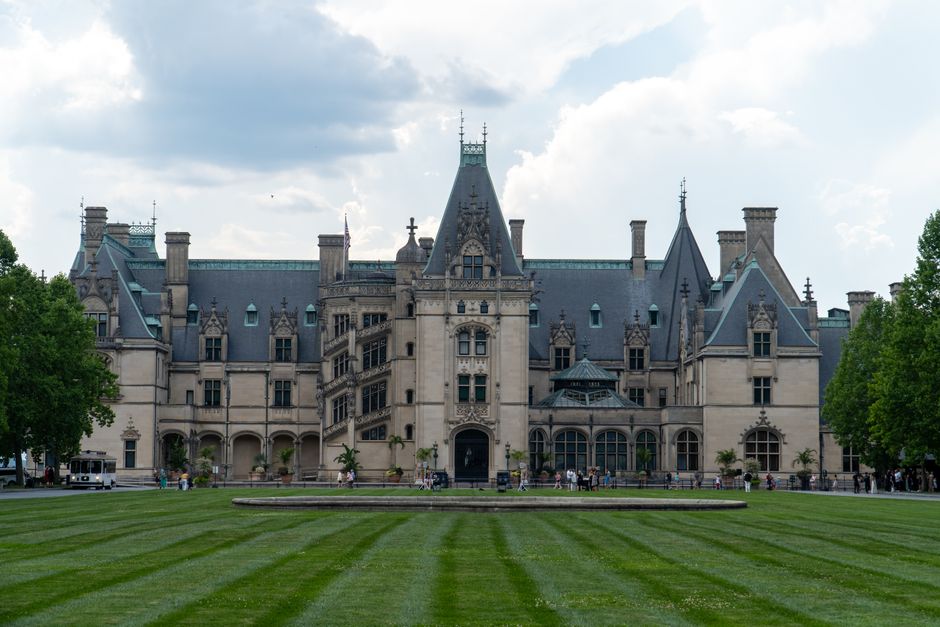
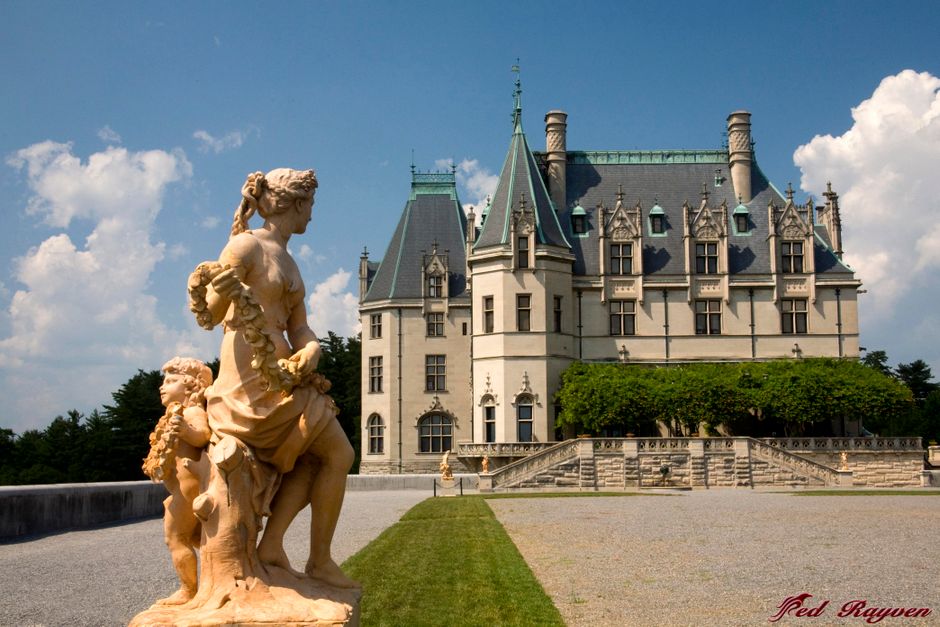
The Biltmore is absolutely stunning. The house itself is impossible to criticize—it's a masterwork of Gilded Age excess, and wandering through those 178,000 square feet genuinely impresses. The problem is it costs $89 for a basic ticket, the parking situation is a zoo, and you'll spend half your time waiting in lines or edging around other visitors to see what you came for.
I get why it's the must-do. It's an architectural landmark and a legitimate piece of American history. But if you've got limited time and money in Asheville, and you're not a serious architecture or history buff, the experience can feel diluted by the sheer volume of people shuffling through. The grounds are beautiful, sure, but you can spend three hours there and still feel rushed.
If you do go, go on a weekday in late fall or early spring, arrive early, and consider just touring the house without the grounds add-ons. Or skip it entirely and use that $89 and three hours elsewhere.

The Blue Ridge Parkway: Breathtaking, Overrated as a Day Trip
This one might sound sacrilegious, but hear me out. The Blue Ridge Parkway is genuinely one of the most beautiful drives in America. I say that without reservation. The problem is that "the Blue Ridge Parkway" has become shorthand for any scenic drive in the area, and most people treat it like a single destination: thirty minutes in, thirty minutes out, grab a photo at an overlook, move on.
The parkway isn't an attraction you tick off. It's a 469-mile ribbon of road that takes real time to appreciate. If you're spending four hours on it, don't drive thirty miles and call it done. Pick a section—say, from the Folk Art Center down to Craggy Gardens—and actually spend time there. Hike a trail. Sit at an overlook for twenty minutes instead of three. Otherwise you're just driving past scenery, and you could do that from your car at home.
Meanwhile, there are plenty of equally stunning smaller drives and ridgeline roads that see a fraction of the traffic. The roads around Max Patch, the drive up to Standing Indian Mountain, even stretches of US-276 heading toward Pisgah—all world-class views with way fewer cars.
South Slope Brewery District: Great Beer, Exhausting Scene
Asheville is a legitimate craft beer town, no argument. The beer scene here is strong and varied, and there are genuinely excellent breweries. South Slope works as a brewery crawl destination, and the walkability is real. But it's become victim of its own success—it's where every bachelor party, girls' weekend, and tour group ends up on a Friday night. The atmosphere has shifted from "quirky beer enthusiasts" to "aggressive Saturday night." Lines, noise, and a transient crowd that's more interested in getting drunk than actually tasting beer.
If you want to experience Asheville's beer culture, go to South Slope on a Tuesday afternoon or a quiet Sunday morning. Or better yet, venture to some of the breweries that aren't in that concentrated walkable zone. Wedge Brewing's location isn't peak-Instagram-friendly, but the actual beer and the vibe are both stronger than places two blocks away that are swamped. Green Man is worth a stop if you're not trying to make a whole production of it.
Craggy Gardens: Go for the Views, Not the Solitude
The view from Craggy Gardens is legitimately jaw-dropping. I understand why it's become a must-do sunrise spot. Clear day, looking out toward Tennessee, the garden itself blooming if you hit the right season—it's worth the drive. The issue is the same as everywhere else that gets popular: everyone's there at dawn trying to get the same shot. You'll find fifty cars at a lot designed for thirty, hikers queuing like theme-park lines, and photographers getting genuinely territorial about spots.
If you're determined to go, skip the sunrise mob and go at golden hour instead—five or six PM depending on season. You'll still get great light, the shadows are actually more interesting, and you might have the ridge almost to yourself. Or just recognize that the view from the Blue Ridge Parkway itself as you approach Craggy is honestly 80% as good as the hike itself, free, and you can pull over anytime.
Underrated: The Asheville Art Museum and River Arts District
This is the one that surprised me most. I'd heard about the River Arts District as a place with artists' studios and galleries, which sounded nice enough but not essential. Then I actually spent a morning walking through it without an agenda, ducking into studios where actual working artists were making things, and it completely reframed how I think about Asheville.
The studios range from printmaking shops to jewelry and ceramics. Most are free to walk into, most artists are happy to talk about what they're doing, and you feel like you've actually discovered something rather than consumed it. Unlike the heavily packaged art-gallery experience, it's genuinely low-key and feels authentic to what the city actually is.
The Asheville Art Museum is also worth a solid two hours. It's not massive—you won't spend all day there—but the collection is surprisingly strong, the building itself is beautiful, and it sees a fraction of the Biltmore traffic despite being genuinely excellent. It's $15 for admission, and they rotate exhibitions regularly, so there's real reason to come back.
Underrated: The Greenway and Some Actual Hiking
The Asheville Greenway system doesn't get talked about much because it's not a single famous destination—it's just a patchwork of connected trails and paths. That's partly why it's so good. You can do a three-mile out-and-back on the Bent Creek Experimental Forest trail, see almost nobody, and get a better sense of what the land actually feels like than you will at any Instagram-famous overlook.
If you want to hike, go beyond the two-mile "scenic outlook" standard. Hickory Ridge Trail is four miles roundtrip and follows a stream through actual forest. Laurel Mountain near Pisgah is a solid day hike with views that rival anything better-known. Cold Mountain has become somewhat crowded since the book, but it's still legitimate and not nearly as trafficked as Craggy or Max Patch. These aren't secret—they're just places people don't default to because they require a bit more effort and don't have the Instagram cache.
Underrated: Grovewood Village and the Local Neighborhoods
Grovewood is a historic craft guild and artist community about ten minutes outside downtown. It's quirky in an unpretentious way—you've got working studios, galleries, and a weirdly good restaurant situation all clustered together without the performing-for-tourists energy of downtown proper. I spent an hour there on a quiet afternoon and felt like I'd actually touched something real about Asheville's creative scene.
Beyond that, some of the neighborhoods themselves—especially Montford and the blocks around East Chestnut—have character, good cafes, and interesting local businesses that don't cater to the tourist cycle. Grove Arcade is packed and worth knowing exists, but the galleries and bookstores along Lexington and around Patton Avenue feel like places where locals actually spend time.
This is where the real Asheville is. Not in the designated tourist zones, but in the residential parts where the city actually lives its day-to-day. Spend time there, eat at a place where you're not surrounded by tour groups, and you'll get something honest about what this place is.
The Practical Take
Here's the thing about Asheville: the stuff that's overrated isn't bad. The Biltmore is genuinely beautiful. Craggy Gardens has legitimate views. South Slope has genuinely good breweries. The problem is that they've all become victims of their own popularity, and if you're spending a few days there, you can spend them better by being strategic and contrarian.
Go off-hours if you're hitting the popular stuff. Or skip them and spend your time on the quieter attractions that have just as much to offer—sometimes more, because they're experienced on your terms rather than in a queue. Asheville has depth beyond the headline attractions. You just have to be willing to look for it.