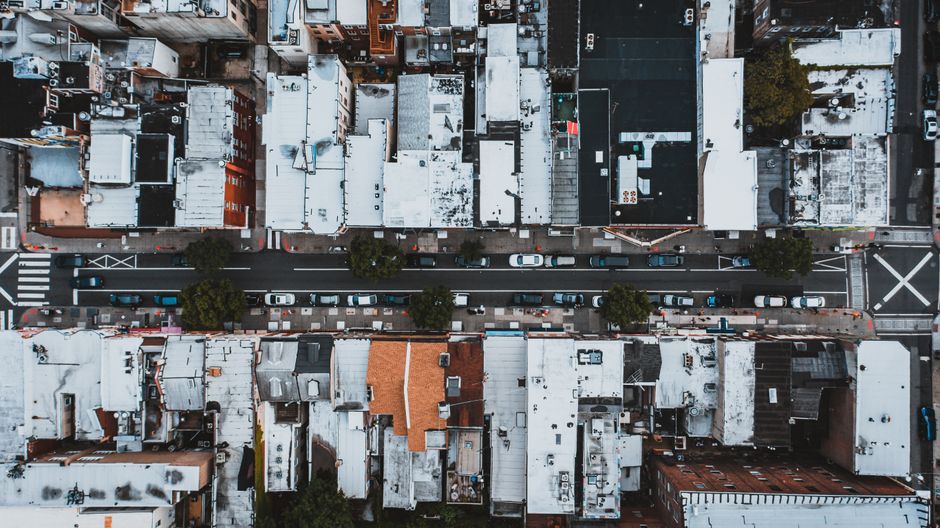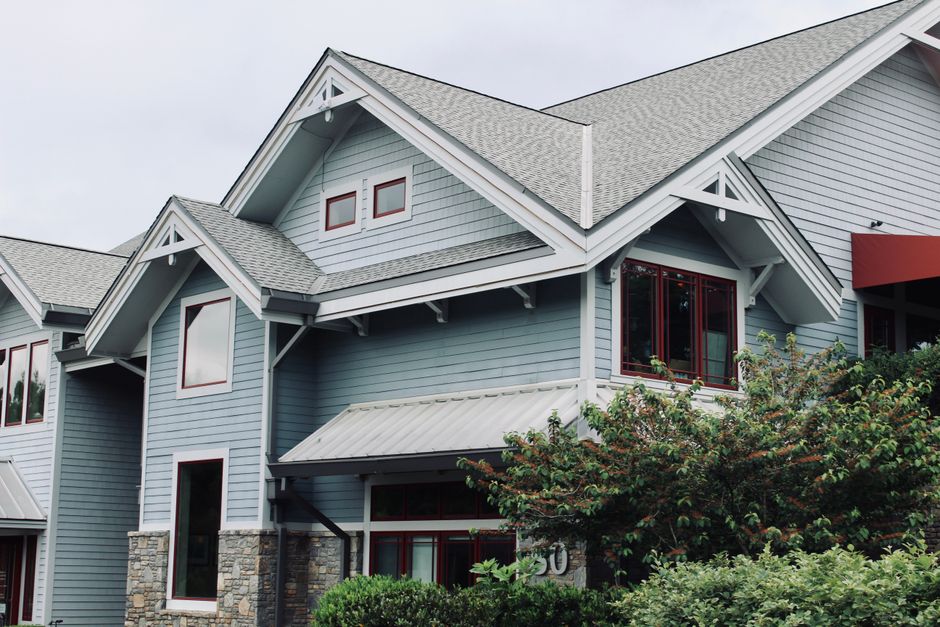
I rolled into Asheville on a gray November afternoon, the Blue Ridge hovering close enough to feel like they were part of the city itself. What struck me immediately wasn't the scenery—though that's exceptional—but how fractured the place felt into distinct neighborhoods, each with its own rhythm. You can't just say "I'm moving to Asheville" or "Let's stay in Asheville." You have to pick a neighborhood, because the difference between South Slope and Montford or between downtown and West Asheville is genuinely vast.
I spent the next few weeks moving between pockets of the city, staying in different areas, eating at different spots, talking to locals who'd actually lived through Asheville's transformation from a sleepy mountain town to a full-blown arts destination with venture capital money and real estate prices to match. Here's what I found: some neighborhoods suit tourists fine, some are better for people putting down roots, and some work better if you've got a family or you're young and broke (or young and not broke, increasingly).
South Slope: The Arts Incubator That Actually Works
South Slope is where you go if you want to feel like you're in the middle of something happening. The neighborhood centers on galleries, breweries, and artist studios housed in converted warehouses south of downtown. On a Saturday afternoon it's packed—aggressively packed—but that's because there's actually stuff worth being packed around.
The brewery scene here is legitimate. You'll find Wedge Brewing, Green Man Brewery, and a dozen others within walking distance. The difference between South Slope and, say, a generic brewery district in any mid-size city is that the galleries aren't afterthoughts—they're integral. You'll walk past open studio doors where people are actually working, not performing. The First Friday Art Loop draws crowds but doesn't feel completely manufactured.
Who should live or stay here? Young professionals and artists, basically. If you're a tourist, this is worth a afternoon or evening, but the residential part isn't quiet. The neighborhood has gentrified rapidly over the past decade, and rents reflect that. New residents looking for an affordable place in Asheville should look elsewhere—South Slope is expensive now. But if you've got money to spend and want walkability, culture, and good beer, it's hard to beat.

River Arts District: For Creative Types Who Actually Have a Workspace
The River Arts District sits just west of downtown, along the French Broad River, and it operates on a different energy than South Slope. It's more dispersed, more working-class in its bones even as it's gentrified, and it feels less like a curated destination and more like where actual artists ended up because they could afford the rent five or ten years ago.
The main draw is studio space. Real studio space where people paint, sculpt, throw pottery. Art Walks happen (the second Saturday of each month is a good time to wander), but the studios are active year-round. The river itself is a legitimate asset—trails along the French Broad run through here, and there are kayak outfitters if you want to mess around on the water. The restaurants and cafes are less bougie than South Slope, which either appeals to you or doesn't.
This neighborhood makes sense if you're an artist or craftsperson who needs actual workspace and doesn't mind a commute to downtown's fancier spots. It's also decent for tourists on a budget looking for an artsy vibe without the density of South Slope. The character is more authentic, more "people actually live and work here," which some visitors prefer and others find less convenient. Real estate is still more affordable than South Slope but climbing fast.
Montford: Quiet Streets and Historic Homes
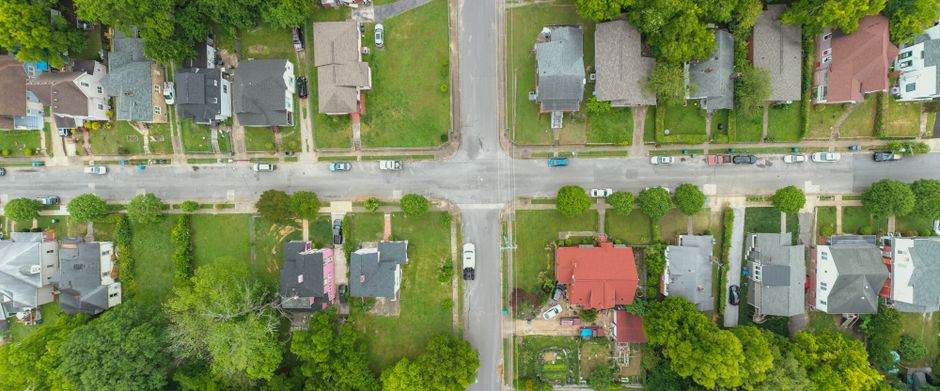
Montford sits north of downtown and feels like an actual residential neighborhood, not a tourist attraction. Tree-lined streets, historic Craftsman and Victorian homes, yards with gardens. On a weekday afternoon it's almost quiet, which in modern Asheville is increasingly rare.
The vibe here is mixed—you've got young families renovating old houses, retirees who've been here for decades, and people who moved for the walkability and aesthetic but work elsewhere in the city. There's a corner store, some local restaurants scattered through, but you're not walking into gallery-brewery experiences on every block. That's the point. Montford is where you go when you want to actually live somewhere, not inhabit a tourism district.
Families and people seeking quiet should pay attention here. It's more expensive than some newer suburbs but still cheaper than downtown or South Slope. The walkability is real but understated. Schools in the area are mixed in terms of reputation, so if you're moving with kids, do your own research. The neighborhood doesn't have a "character," which is exactly why some people prefer it—it's just a place with houses and trees where things are normal.
West Asheville: Eclectic and Genuinely Weird
West Asheville sprawls across the other side of town from downtown, accessible via the westbound Haywood Road. It's deliberately weird in a way that doesn't feel calculated. Vintage shops, thrift stores, small music venues, tattoo parlors, coffee spots with actual personality. The income mix is more real than in South Slope—you'll see working-class folks and artists and people who've been here forever living in actual proximity.
The restaurant and bar scene is strong but less polished. You get a taco truck that's genuinely great, a bookstore that's run by someone who actually cares, a dive bar where locals outnumber tourists. There's a rawness to it that appeals to people who came to Asheville expecting Asheville and got instead a gentrifying vacation town. West Asheville still feels slightly resistant to that transformation, though it's happening here too.
This suits people looking for authenticity and lower-stress living. It's more affordable than downtown or South Slope but less "safe" in terms of resale value if you're buying—it's still transitional. Young people, creative types, and people moving here specifically to escape bougie aesthetics do well here. Tourists might enjoy an evening wandering Haywood Road, but it's not a primary destination.
North Asheville: For People Who Want a Yard and a Car
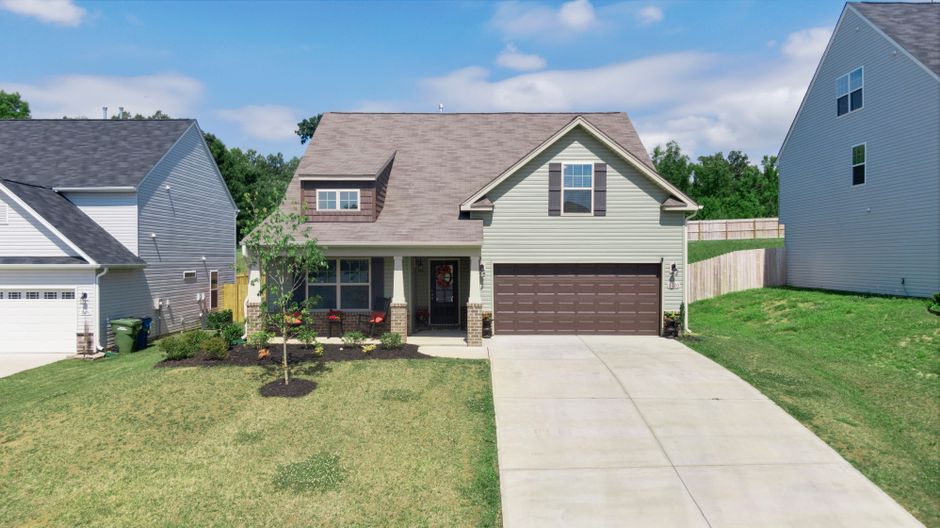
I'll be honest: North Asheville isn't charming in the way people come to Asheville hoping for charming. It's suburban. You've got chain stores, newer subdivisions, people driving everywhere. But that's useful information if you're a family looking for a house with a yard at a reasonable price or a retiree who wants proximity to the city without downtown's intensity.
The advantage is space and affordability. You get more house for your money. Schools here are generally well-regarded. You're close enough to downtown to drive in for restaurants or culture but far enough away that you're not paying downtown prices or living in density. If you don't care about walkability or being near galleries and breweries, North Asheville makes practical sense.
This neighborhood is for people who want to live in Asheville but don't necessarily want to live in the Asheville that marketing has created. It's not where you'll find stories worth telling, but it's where actual families raise actual kids. That's valuable too, even if it's not the Asheville that shows up in travel guides.
Practical Notes for Deciding Where to Land
The real estate market in Asheville moves fast and prices are serious—this isn't 2015 anymore. If you're moving here, talk to a local agent about neighborhoods you're considering; reputations and conditions shift. Don't assume that a neighborhood's current character will remain static. South Slope five years ago was very different from South Slope now.
For tourists, you can generally base yourself in downtown and take day trips to other neighborhoods. For new residents, spend time in different areas before committing. Walk around on weekends and weekdays. Talk to people at coffee shops. The neighborhood that appeals to you on a Saturday afternoon during nice weather might feel very different on a Tuesday in January.
Asheville's geography matters too—traffic and distances that seem short can take longer than expected depending on road conditions and time of day. Consider where you'll spend most of your time and base your neighborhood choice on that, not just on the aesthetic appeal of a particular street.