I landed in Austin on a Thursday afternoon with the usual solo-traveler mix of excitement and mild paranoia. The city's got a reputation—laid-back, weird, fun—but also the reputation of any mid-size city that's grown fast and unevenly. Before I spent three days wandering, I wanted to know where the actual caution zones were, not the fear-mongering ones.
Turns out Austin is genuinely safe in most places, most of the time. But like any city over a million people, there are patterns worth knowing. Some are obvious (don't leave your car unlocked), others are timing-specific (certain blocks get sketchier after 2 a.m.), and a few are just good urban sense (ride-share home instead of walking alone at night). I talked to locals, checked police data, and walked the neighborhoods myself. Here's what actually matters.
The Real Problem: Car Burglaries, Not Muggings
If you're coming to Austin worried about getting jumped, relax. Robbery and mugging happen, but they're genuinely uncommon and usually targeted—not random street crime against tourists. What actually happens in this city is car break-ins, and it happens a lot.
Local police data consistently shows theft from vehicles as the top property crime in Austin. Smash-and-grab stuff. Someone breaks your window, grabs your bag, laptop, or sunglasses off the seat, and vanishes in 30 seconds. It's so common that residents joke about it. The sweet spot for thieves is midday (8 a.m. to 4 p.m.) when cars sit unattended and parking enforcement isn't as heavy. Parking lots are worse than street parking; outdoor lots worse than covered.
The practical fix: don't leave anything visible in your car. Not a phone charger, not a water bottle, not sunglasses. Pop your trunk, throw your bag in the back seat under a jacket, or just don't leave valuables at all. If you're renting, skip the fancy convertible. I saw at least four cars with busted windows during my first day alone, and three of them were clearly tourist rentals.
Downtown Core: Time and Behavior Matter
Downtown Austin—Rainey Street, the warehouse district, 6th Street—isn't dangerous in the daytime or early evening. It's actually full of tourists, office workers, and families. I walked around 3 p.m. on a Friday and felt completely fine. The problem isn't the neighborhood; it's the hour and the activity.
After midnight, especially Thursday through Saturday, the vibe shifts. Drunk crowds thin out, bar closings push people into the street, and the few people still around aren't always the people you want to encounter. This is when car break-ins spike too—thieves know parked cars near bars are likely to have valuables, and they know enforcement drops off late. Muggings in the downtown core do happen, but they're rare and usually alcohol-adjacent (someone too drunk, someone looking to fund a habit). The risk isn't the geography; it's the hour and your level of awareness.
Stay until 11 p.m., enjoy the scene, take a rideshare home. Walk around 6th Street at 1 a.m. by yourself, you're rolling dice unnecessarily. It's not because downtown is bad—it's because anywhere gets riskier when it's empty and late.
East Austin: A Neighborhood in Transition
East Austin gets mentioned in a lot of "sketchy neighborhood" lists, and it's complicated. Yes, this area has higher rates of property crime and violent crime than most of Austin. But it's also a neighborhood in rapid transition—gentrifying fast, full of culture, history, and real people building something. The crime data is real, but so is the presence of families, small businesses, and long-time residents.
If you're staying in the more developed zones around Franklin, Rainey, or the area near Sixers ice house, you're mostly fine during the day and early evening. Plenty of tourists and locals move through here without incident. Later at night, walking alone on residential blocks (especially farther east, away from the main commercial corridors) isn't the smartest call. It's not because it's "bad"—it's because property crime is higher, there are fewer people and lights, and you're a visible outsider.
The practical rule: enjoy the restaurants, bars, and galleries during normal hours. Don't assume 2 a.m. is walking-home hour just because you're having fun. Stick to well-lit, populated routes if you're out late, or use rideshare. This applies to every neighborhood in Austin, but especially here.
Interstate 35 Corridor and South: Higher Risk, Smart Avoidance
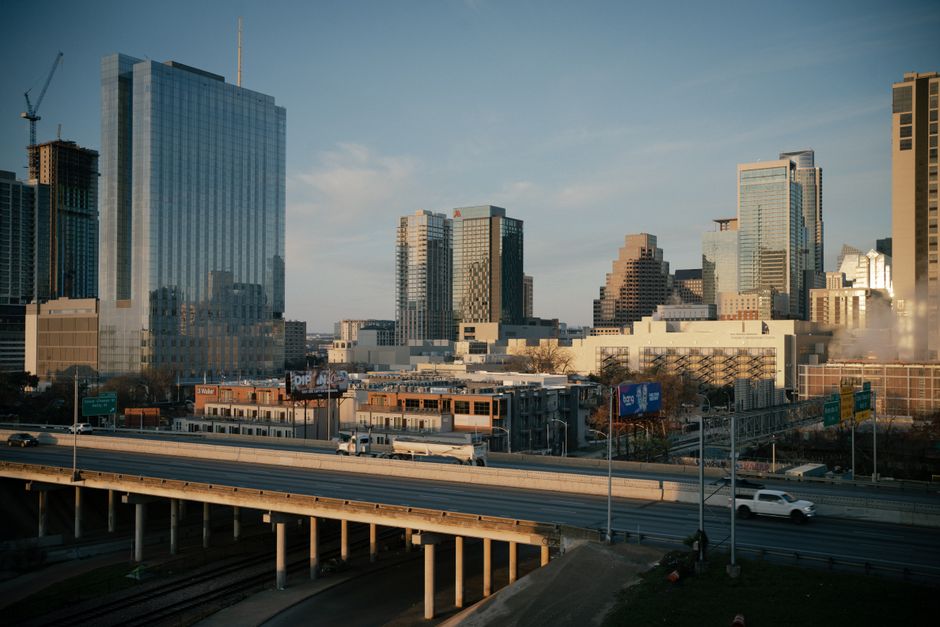
I-35 splits Austin, and the areas immediately flanking the highway—both north and south—have higher violent crime rates than the rest of the city. South of downtown, including the area around Manchaca Road and certain pockets near Ben White Boulevard, you'll see crime statistics that stick out. North of downtown, similar pattern.
This isn't mysterious: these corridors have lower median income, less foot traffic, fewer businesses and lights at night, and more barriers to community cohesion. It's not the people who live there; it's the conditions that make street crime more likely. As a solo traveler, there's no reason you'd end up in these areas anyway. Tourist attractions, good restaurants, and safe neighborhoods cluster elsewhere. If you're using rideshare to go somewhere south of downtown, fine—just don't plan a walking loop through I-35 adjacent neighborhoods at night. The risk is real, and it's easily avoidable.
Rideshare, Walking, and the Late-Night Calculation
Austin's public transit (Capital Metro) is fine during the day but sparse after dark. Buses run late, but frequency drops and you might wait 20-30 minutes. For solo travel after 9 p.m., rideshare makes way more sense than walking or waiting at a poorly lit bus stop.
Uber and Lyft are everywhere in Austin. Prices spike late (especially Thursday–Saturday), but that's when you want the ride most. One local told me she takes rideshare home after dark as just the normal cost of living here—$10–15 she'd spend on nothing else anyway. Compare that to the risk of walking alone through downtown at 1 a.m., and the math is obvious.
Walking during daylight is great. Walking in groups is good. Walking alone at night in less-populated areas is the variable you want to minimize. This isn't paranoia; it's how human predation works. The easier you make yourself as a target, the higher the risk. Avoid being that person.
Panhandling and Homeless Encampments: Discomfort, Not Usually Danger
Austin's homeless population is visible, especially downtown and along Lady Bird Lake. You'll be asked for money. You'll see encampments. This is uncomfortable if you're not used to it, but it's not inherently dangerous.
Most panhandlers are people asking for change—not looking for trouble. Say no, keep walking, don't engage if you don't want to. Some are dealing with mental illness or addiction, which can make interactions unpredictable, but random violence against tourists isn't the typical outcome. I was approached maybe a dozen times during three days, asked for money or change, and all of it was straightforward ask-and-move-on.
That said: don't flash cash or high-end electronics. Don't engage with someone who seems agitated or confused. Trust your instincts—if someone feels off, they probably are, and moving away is always the right call. The encampments themselves aren't no-go zones, but they're not tourist attractions either. If you're walking along the Hike and Bike Trail at 6 a.m. and you see a camp, you're probably fine. If you're wandering into one at night for a photo, that's different.
Where to Actually Spend Your Time (Safely)
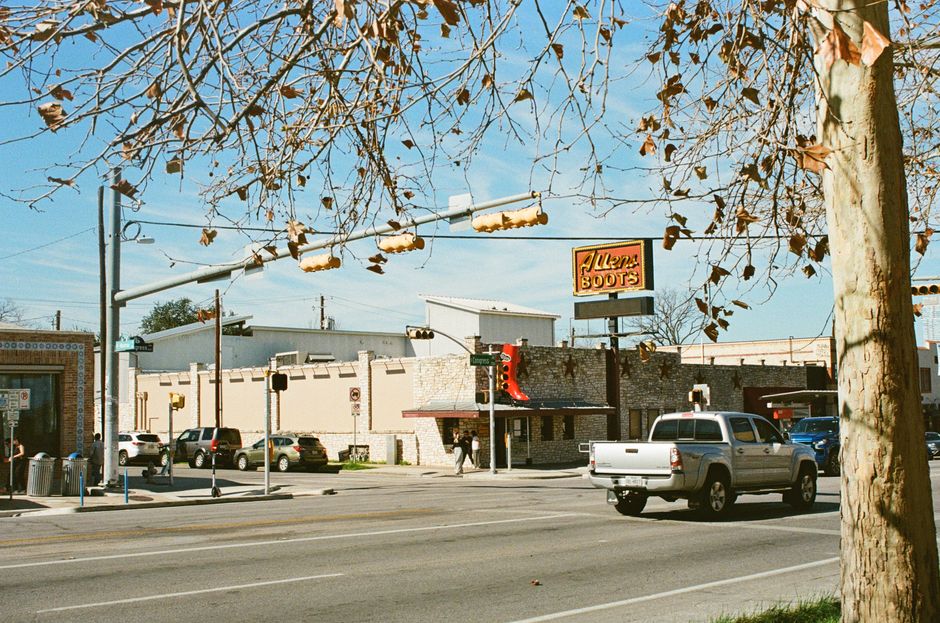
South Congress (SoCo) is the default tourist move, and it works. Tons of foot traffic, well-lit shops and restaurants, lots of people around during the day and early evening. The Zilker area (Barton Springs Road, the park itself) is full of families and clearly safe. Lady Bird Lake's hike-and-bike trail is packed on weekends and fine during daylight. The Domain up north (suburban feeling, lots of retail) is low-risk and kind of boring, but safe.
West Lake Hills and the neighborhoods west of downtown are wealthy and quiet—low crime, low traffic, not much going on unless you know someone there. North Austin around Domain and the area toward Tech Ridge is similar: safe, developed, and a bit sterile.
Rainey Street, the east side art scene, Franklin, and the Eastside corridors (when you stick to main drags during normal hours) are where interesting stuff happens. You can enjoy all of it safely as long as you're not pushing the hour or walking alone in the dark on residential blocks. Locals do this all the time. So can you.
A Few Actual Precautions Worth Your Attention
Lock your doors and don't leave valuables visible—this matters more than anything else in Austin. A locked car with an empty backseat doesn't get broken into.
Use rideshare after dark instead of walking. It's cheaper than a bad decision and less stressful than waiting for a bus.
Stay aware of your surroundings, same as any city. Don't walk with your phone in your hand staring at Google Maps at midnight. Don't get drunk alone and assume you're invincible. These aren't Austin-specific rules; they're just how to be in public.
If you see something that feels actively dangerous—someone following you, an altercation escalating, anything that makes your alarm bells ring—trust it. Move away, go into a business, call police if needed. Most of the time you won't need to. Most of Austin is fine.
Frequently Asked Questions
is downtown austin safe at night for solo travelers
Downtown Austin is safe until around midnight, especially on 6th Street and around Rainey Street where there's foot traffic and bars. After midnight, the crowds thin out and risk increases—not dramatically, but enough that rideshare home is the smarter move. Stick to well-lit main streets, avoid wandering residential blocks alone at 2 a.m., and use common sense about where you are and who's around.
what neighborhoods to avoid in austin texas
As a tourist, there's no neighborhood you absolutely need to avoid during daylight. Some areas (parts of East Austin, I-35 corridor, south Austin near Ben White) have higher crime rates, but they're not tourist zones anyway. Focus on staying in well-traveled areas, don't walk alone at night in residential neighborhoods, and use rideshare after dark regardless of which neighborhood you're in.
how bad is car theft in austin
Car break-ins are common in Austin—much more common than mugging or robbery. Thieves target valuables left visible in vehicles, especially in parking lots and during midday hours. The fix is simple: don't leave anything visible in your car, lock your doors, and park in covered lots if possible. Rental cars are frequent targets, so be especially careful if you're driving one.
is it safe to walk around austin at night
Walking around Austin at night is fine in well-populated areas like downtown or South Congress until around 11 p.m. After that, or if you're on quieter residential blocks, rideshare is the better option. Groups are safer than solo walking, main streets are safer than side streets, and lit areas are safer than dark ones. Use the same judgment you'd use in any city—if it feels empty or off, don't walk it.