I rolled into Austin on a Tuesday morning with a laptop and no plan, which is how I end up living in coffee shops. The city's got that reputation for creative types and digital nomads, sure, but I wasn't expecting the cafes to actually live up to it. Most cities market themselves as "coffee culture destinations" and then you're sitting on a stool the size of a mushroom cap with spotty wifi and a barista who acts personally offended by your order. Austin's different. There's real seating, actual tables, and the kind of places where you can lose four hours without the staff eyeing your empty cup like it's a parking violation.
The cafe scene here splits between downtown's polished corners, South Austin's vintage-furniture aesthetic, and East Austin's younger, weirder vibe. I spent the better part of two weeks testing wifi speeds, ordering enough coffee to worry a cardiologist, and watching Austin's mix of remote workers, retirees, students, and people who just seem to live in cafes now. Here's where the actual work (or reading, or people-watching) gets done.
Colores Café in East Austin
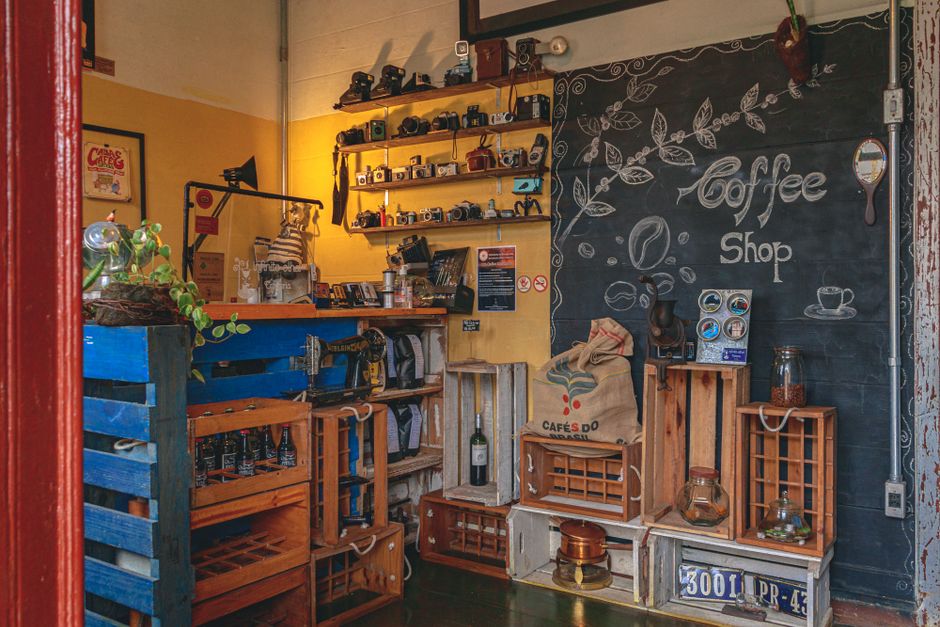
Colores sits on East 6th Street in a neighborhood that's still figuring out what it wants to be—which means it's honest in a way downtown spots can't manage. The space is light and airy without trying too hard about it. Big windows. Real tables that fit a laptop and a water glass without origami skills. The wifi is solid and consistent, which matters more than anyone not tethered to their work realizes.
The coffee itself is from a local roaster and tastes like they actually thought about what they were doing. But the real draw here is their pastries, which come from a baker who clearly didn't learn to cook from a YouTube video. The almond croissant has the kind of structural integrity that lets you eat it over a keyboard without catastrophe. It's the kind of place where you see a mix of people—some obviously remote workers camped in with multiple tabs open, some regulars who've been coming in for years, some folks who just needed somewhere to sit for a while. Not Instagram-ready, which means it stays pleasant.
Bennu Coffee in Downtown
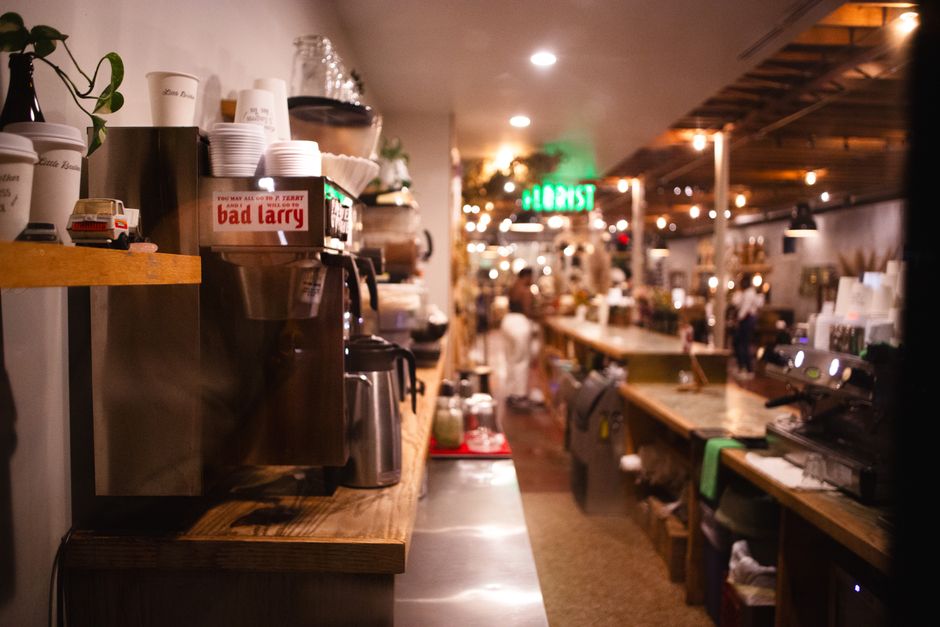
Bennu's the spot everyone mentions, and you know what? They're right to. It's downtown, which means foot traffic and energy, but the owners actually planned for humans to work here instead of just treating laptops as obstacles to efficient turnover. The space is tall and loud and bustling, which some people love and others find maddening. If you're the type who needs quiet, this isn't your place. If you work better when there's ambient chaos happening around you, this is cathedral.
Two floors, plenty of plugs, decent seating variety—you can find a bar stool, a table, a corner if you hunt. The coffee comes from Black Star Coffee Roasters and the pastries rotate through different local bakeries, which keeps things from getting stale. What surprised me was how many people seemed to genuinely know each other here. The baristas remember regulars. There's a community texture that feels unforced. It's busy enough that you don't feel weird hanging out for hours, but established enough that it doesn't feel like a churn-and-burn operation.
One warning: it gets packed during lunch hours and right after the morning commute dies down. If you're sensitive to crowds, aim for the weird hours—early morning before 7 a.m., or mid-afternoon around 3 p.m., or evenings after 6.
Oak Tree in South Austin
Oak Tree is what happens when someone decides a cafe should actually be a pleasant place to sit, not just a coffee distribution point. It's on Rainey Street in South Austin, in a neighborhood that's less polished than downtown but more established than the rapidly-shifting East side. They've got high ceilings, natural light that's somehow not blinding, and actual furniture instead of industrial metal chairs that punish your back.
The wifi is reliable. The seating includes booths if you want some semi-private space, tables for collaboration, and bar seating by the window if you want to watch Rainey Street's particular brand of chaos. They do a cold brew concentrate that tastes like actual thought went into it—clean, smooth, not the burnt-rubber stuff you get when someone's decided dark and bitter are synonyms. The food menu is small but executed well. A breakfast sandwich that's more than bread and regret. Pastries that don't taste like they came from a Sysco catalogue.
I watched a lot of different working styles happen here—freelancers with design clients, writers, a guy who seemed to be running a small business entirely from a corner table. Nobody looked harried. That's the real test of a work cafe: whether the energy feels frantic or focused.

The Roosevelt in East Austin
The Roosevelt used to be an actual Roosevelt hotel from the 1930s, and someone had the sense to turn it into a cafe-slash-workspace hybrid instead of tearing it down for condos. It's on East 6th, still East Austin but the part that's slightly less trendy and more real. Walking in feels like walking into somebody's very well-lit living room, except with espresso machines and about fifty people working on laptops.
The space is divided into different zones—a main cafe area, quieter seating areas, a full kitchen where they make food that's more interesting than coffee-shop default. The coffee is from Bennu roasters, actually, so you know the baseline is solid. What makes The Roosevelt different is the commitment to making the space actually work for people who aren't buying a five-minute coffee. Plugs everywhere. Tables spaced so you're not elbow-to-elbow with a stranger. Even when it's full, there's a sense of productive quiet instead of frantic bustling. The wifi holds up under load.
The pastries rotate and the sandwiches are actually made with protein and intent. You'll pay a little more here than at smaller spots, but you're paying for the space and the fact that they've clearly thought about what makes a place function for working professionals. It's less chaotic than Bennu, more intentional about workspace design, and consistently pleasant.
Summermour in South Austin (the one people don't always know about)
This is the spot I kept digging back to, partly because it's on South Lamar in a neighborhood that's just dense enough with foot traffic to feel alive but not so packed that you're swimming upstream. Summermour is smaller than the other places here—it's genuinely neighborhood-scale, not a chain or a concept with multiple locations. The wifi is strong. The seating is tight but real, with tables where you can actually spread out a laptop and not feel like you're imposing.
They're serious about coffee in a way that's noticeable but not performative. The pastries come from actual bakers, not a central facility. The sandwiches are made to order by people who seem to have opinions about food. What made me keep coming back was the absence of trying too hard—no Edison bulbs or reclaimed wood as a personality. Just a well-run neighborhood cafe where the owners clearly understand that some people need somewhere to work that isn't their house or an office. The crowd is mixed: some remote workers, some local retirees, some college students, some people who just needed somewhere to sit and think. It's the kind of place where if you show up regularly, you'll recognize faces. But it's never cliquey or weird about it.
If you're the type of person who burns out on the bigger, busier cafe scene and just need somewhere quiet and competent, this is that place.

Actual thoughts about Austin's cafe culture
Here's what I noticed working through Austin's cafes over a couple weeks: the city's remote-work reputation isn't just marketing. The cafes are genuinely built for people who need to work, not just coffee shops that tolerate work. The plugs work. The wifi doesn't drop during the afternoon. The tables don't force you into origami positions to balance a laptop.
Neighborhood matters more than you'd think. Downtown's energy is different from South Austin's, which is different from East Austin's. Downtown is professional and bustling—good for the kind of work that feeds off ambient energy and other people being serious. South Austin is more relaxed, better for work that needs some space to breathe. East Austin has a younger, weirder vibe that appeals to different kinds of creative thinking. Pick your cafe based on what you actually need that day, not just Instagram appeal.
One last thing: Austin's cafe culture works partly because the city hasn't entirely turned into a tourism theme park where locals get crowded out. That's changing fast, and it matters. The cafes that feel best are the ones that have genuinely local regulars mixed in with the laptop crowd. Find those and you've found something real.