I rolled into Austin on a Thursday afternoon in October, when the heat had finally backed off and the city felt less like a convection oven. Within two hours, I'd gotten recommendations for South Congress Avenue, Sixth Street, and the bat colony under Congress Avenue Bridge—the same three things every travel guide has been shoving into articles for the past decade. By my third day, I'd spent enough time both hitting those spots and finding my own way around to understand what makes Austin genuinely interesting versus what's just been marketed to death.
Listen, I'm not here to trash things people enjoy. But Austin's a big, weird city that's gotten increasingly crowded with people chasing the same Instagram shots. So here's how I'm breaking it down: what drew the crowds in the first place, and what actually deserves your attention instead.
The Overrated Round
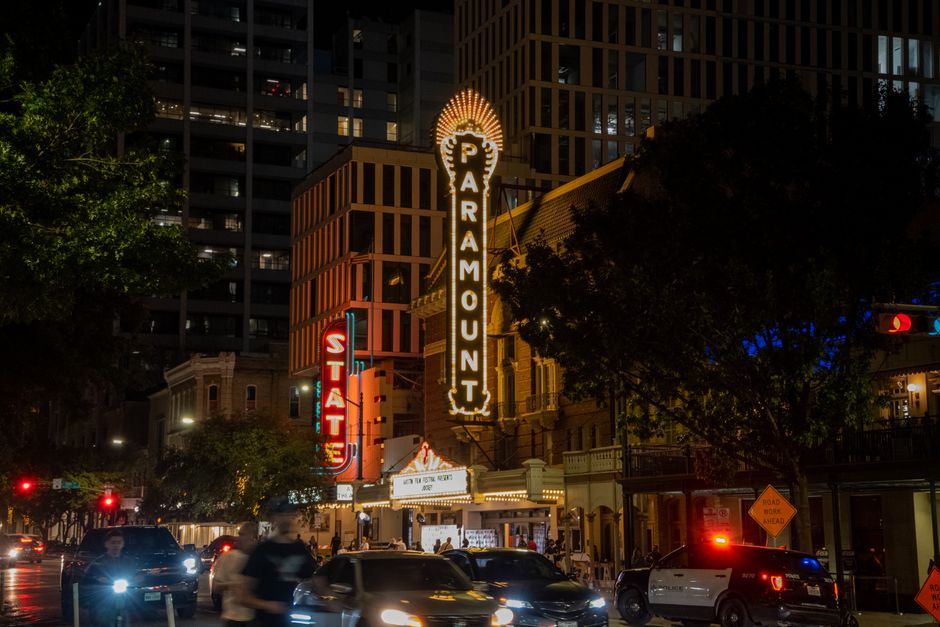
Sixth Street gets all the energy. Live music everywhere, people spilling between bars, the whole vibe screaming "Austin's music capital." Problem is, it's been so thoroughly packaged and monetized that it barely qualifies as a local experience anymore. You're standing shoulder-to-shoulder with bachelor parties and tourists, paying inflated prices for drinks that taste like every other dive bar in America. The music venues there aren't bad—some are actually good—but you're paying a premium and compromising on intimacy for scale.
Congress Avenue Bridge's bat colony is a neat natural phenomenon, sure. But the viewing experience has become managed chaos. Hundreds of people show up at dusk, the park service has designated viewing areas, everyone's elbowing for position, and half the crowd is there because a travel blog told them to be. You can see the bats, technically. But you won't feel alone doing it.
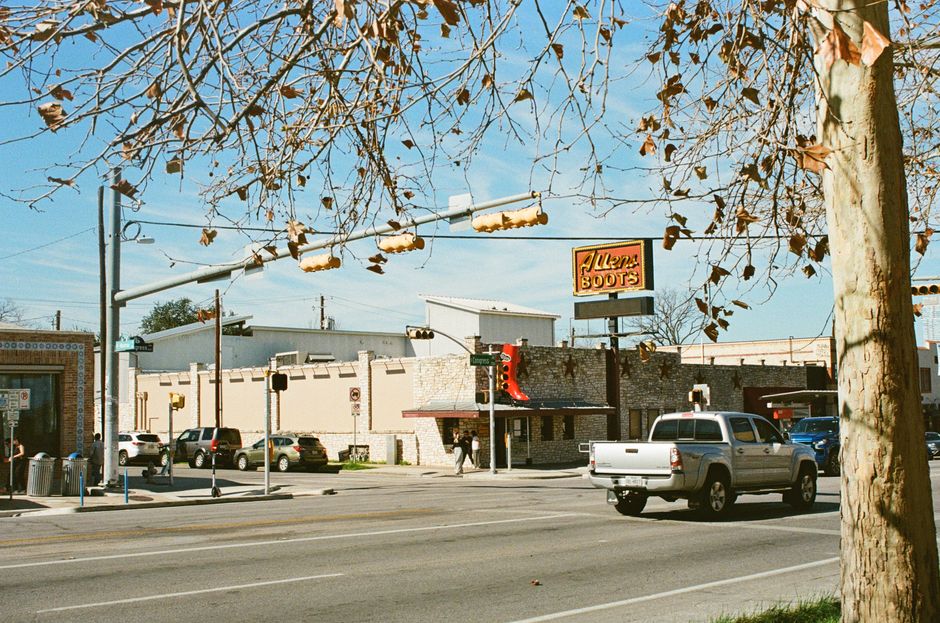
South Congress Avenue—SoCo, as locals say—occupies this weird space where it's simultaneously cool and entirely aware of its own coolness. The vintage shops and tacos and murals are real, but the street has calcified into a kind of theme-park version of "quirky Austin." Every storefront knows it's Instagram-famous. Prices have risen accordingly. You'll find good food and real local business owners, but you're also participating in a carefully curated experience that's been optimized for tourism.
Barton Springs Pool is a genuine natural treasure: a 68-degree spring-fed pool in the middle of the city. But it's also become so popular that parking is a nightmare, the pool itself gets packed on weekends, and the whole thing feels less like discovering something special and more like visiting a very nice community center with a wait.
Food trucks on rainey Street are where Austin's food scene reputation largely comes from. They're good trucks, legitimately good. But "authentic Austin street food" has become a destination in itself, which means higher prices, longer lines, and honestly, less motivation to innovate when you've already got a line around the block.

What's Actually Worth Your Time: Live Music That Doesn't Cost You
Forget the door fees on Sixth. Austin's live music scene doesn't happen because of those big venue blocks—it happens because musicians play anywhere there's an audience and a power outlet. C-Boys Heart & Soul, which sits on the east side near the airport, has been hosting free live shows for years. You walk in, order food or a drink if you want, and musicians rotate through. No cover charge, no roped-off VIP section, no performance of the city's manufactured image. Just people playing music because they play music.
Another route: hit the smaller venues like Hotel Vegas on Rainey Street or even the back patios of bars that don't charge entry. These places get touring musicians, local acts, and weird experimental sets that never make the tourism guides. You'll spend less money, hear better music, and understand why people actually moved to Austin in the first place instead of just visiting.
Wildlife and Nature Without the Crowd
Lady Bird Lake—what locals still call Town Lake, old habits dying hard—is ringed with trails that barely register on most tourists' radars. Rent a kayak or paddleboard and you're on the water with maybe a tenth of the people you'd encounter at Congress Avenue Bridge. The same bats use the lake ecosystem. The turtles are real. The water's actually swimmable now after decades of cleanup. But you get the natural Austin without the managed experience.
Walnut Creek Metropolitan Park is north of downtown, underpacked, and has trails through actual green space—not the sculpted park aesthetic but something wilder. If you're into birds, it's genuinely good birding. If you just want a walk that doesn't feel like part of a tourism destination, you'll have the trail mostly to yourself.
The McKinney Falls on the far east side are small, underwhelming if you've seen actual waterfalls, but pretty and accessible. The real point is that you can spend an hour there without encountering anyone else or paying anyone to experience it. That's become its own form of rare in Austin.
Where to Eat When You Stop Chasing Tacos
East Austin's gentrification is a whole complicated thing, but there are still genuinely excellent restaurants run by people who've been cooking there for decades, not months. Suerte, which opened in recent years, has become heavily touristed, but smaller spots that don't have Instagram influence—check the side streets. Veracruz All Natural is a casual spot that's been there forever, makes everything fresh, and doesn't pretend to be anything other than what it is.
Matt's El Rancho on the south side is institution-level old-school Tex-Mex. It's been family-run since 1952. It's not revolutionary. It's not a discovery. But it's real, and it's where people actually eat when they're not performing Austin-ness for social media.
Francis Pancake House on North Loop is neighborhood breakfast, unpretentious, good. The Salt Lick out in Dripping Springs is famous, but if you're going to barbecue, you might as well try places that don't have the tourist markup: Sam's BBQ or even less-known pits that locals actually debate about. (I won't name specific ones because the minute a place gets called out, prices shift.) Your best move is asking people who live in a neighborhood where they eat when they're hungry, not when they're trying to have an experience.
The Neighborhoods Worth Walking Through
Mueller is north, relatively new, and built to be a neighborhood more than a destination. It's got parks, local restaurants, and a feel that's not trying to be anything. Zilker neighborhood around the park has real residential character. East Austin, specifically the area between Mueller and downtown, is where a lot of actual life happens—younger businesses, musicians' houses, things that aren't optimized for tourists yet.
West Lake Hills and the areas around Mount Bonnell are where you get the natural geography Austin was built on. Mount Bonnell itself is a short hike up 100 steps, and from the top you see the whole city spread below the hill country. It's become somewhat known, but it's never jammed up. The view is genuinely Austin—the real landscape, not the curated one.
North Loop has gentrified steadily, but pockets of it still feel lived-in rather than designed. Walk from the bus yards area up toward Mueller and you'll see how the city is actually transforming, how locals are actually living.
The Reframe
Austin's not a bad city. It's a genuinely interesting place. But it's become a victim of its own marketing—the "Keep Austin Weird" brand got so successful that weird became profitable, which means it's not actually weird anymore, just expensive and crowded.
The real Austin is still there. It's just quieter. It requires asking locals instead of reading guides. It means accepting that sometimes the best part of a trip is what you stumble into instead of what you planned. It means not checking every single box that tourism promises you. Some of the best experiences in Austin cost nothing and require no reservations—they just require showing up in the right neighborhood at the right time and being willing to miss the things everyone else is doing.
The city's weird impulse is real. You just have to get away from the places that have figured out how to sell weirdness.
Practical Stuff
You can park around downtown for day trips, but honestly, getting a bike for three days is cheaper and better. The weather holds in fall and spring. Summer is brutal. Winters are mild. If you're here for the live music scene, weekdays are quieter than weekends, and you'll see better, weirder shows. The local newspapers—the Austin American-Statesman and community blogs—actually tell you what's happening better than travel guides. Talk to people at your accommodation. Bartenders know what's real and what's performance. Ask them where they go when they're off.