
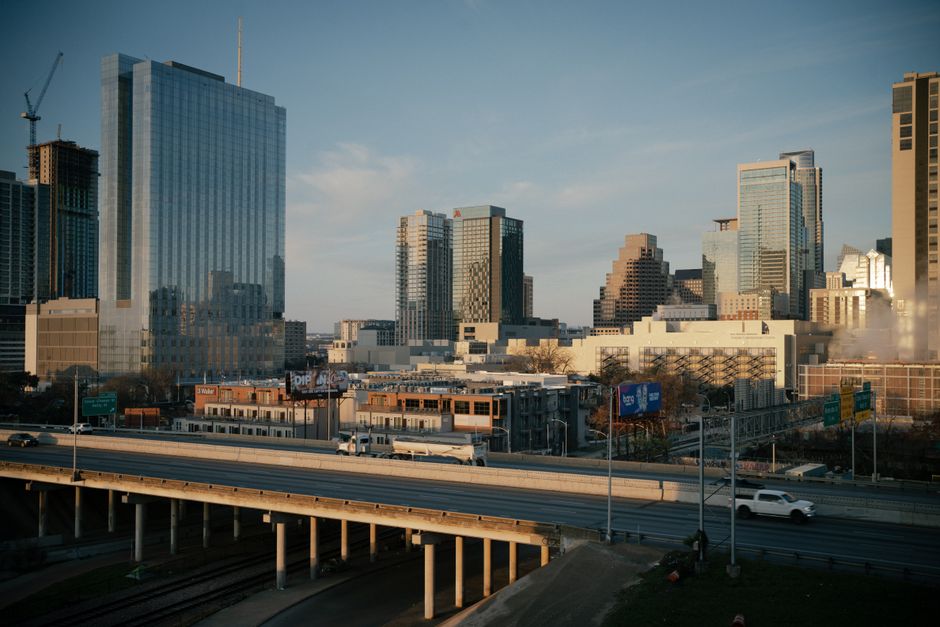
I landed at Austin-Bergstrom on a Thursday afternoon in March, grabbed a rental car I didn't really need, and drove straight into the kind of traffic that makes you question every life choice. It's easy to understand why—Austin keeps growing, and everyone wants to be here. But after spending weeks moving between neighborhoods, I learned that "Austin" isn't one place. It's a collection of distinct areas, each with its own rhythm, price point, and type of person it attracts.
If you're visiting or thinking about moving here, the neighborhood question matters more than you'd think. Stay in the wrong part of town and you'll spend half your time in a car. Pick the right one and suddenly the city makes sense.
Downtown: The Tourist Default and Young Professional Hotspot
Downtown Austin is the obvious choice, and for good reason. If you're visiting for three days, staying near Congress Avenue or around the Frost Bank Building puts you within walking distance of restaurants, bars, live music venues, and—if you time it right—the bat flight under Congress Avenue Bridge at dusk.
For young professionals new to the city, Downtown offers proximity to major employers, walkable nightlife, and a sense that something's always happening. You'll pay for it. A one-bedroom apartment runs north of $1,500 a month, often considerably more. The streets get loud on weekends. Street parking is a gamble.
But if you work downtown or want to be in the thick of things, the convenience is real. The Lady Bird Lake trail runs right through here—six miles of green space where locals actually exercise instead of just talking about it. The restaurants cluster around Rainey Street and along Congress, and the live music venues are thick on the ground.
Truth is, Downtown doesn't feel like "real Austin" to many people who've lived here a while. It's become aggressively gentrified, full of chain hotels and national brands. But for a first visit or your first month while you find your footing? It works.
East Austin: Quirky, Affordable-ish, and Actually Changing
East Austin is where Austin's personality actually lives, though you should know that's changing fast. Sixth Street and East Seventh Street have that gritty, creative energy that made Austin famous—dive bars, food trailers, vintage shops, and a genuine mix of long-time residents and new arrivals.
Solo travelers and young artists tend to gravitate here. Rent is still cheaper than downtown, though gentrification is creeping eastward and prices have climbed over the past five years. You get walkability, character, and the feeling you've discovered something real. The food scene is genuinely good—the taco trucks aren't a gimmick, and the newer restaurants feel like they're actually run by people who live in the neighborhood.
That said, East Austin is in transition. Some blocks feel safe and vibrant at night. Others require more caution depending on where exactly you are and what time it is. The neighborhood also has a genuine community of long-time residents—many Latino families who've been here for decades—and the rapid changes have created real friction. It's worth understanding that dynamic if you're moving here.
If you're a young person who loves dive bars and doesn't mind some rough edges, East Austin is worth the look. Just know that "quirky neighborhood" often comes with less consistent neighborhood services and the kind of grit that some people love and others find exhausting.
South Congress (SoCo): Walkable, Trendy, and Full of Families
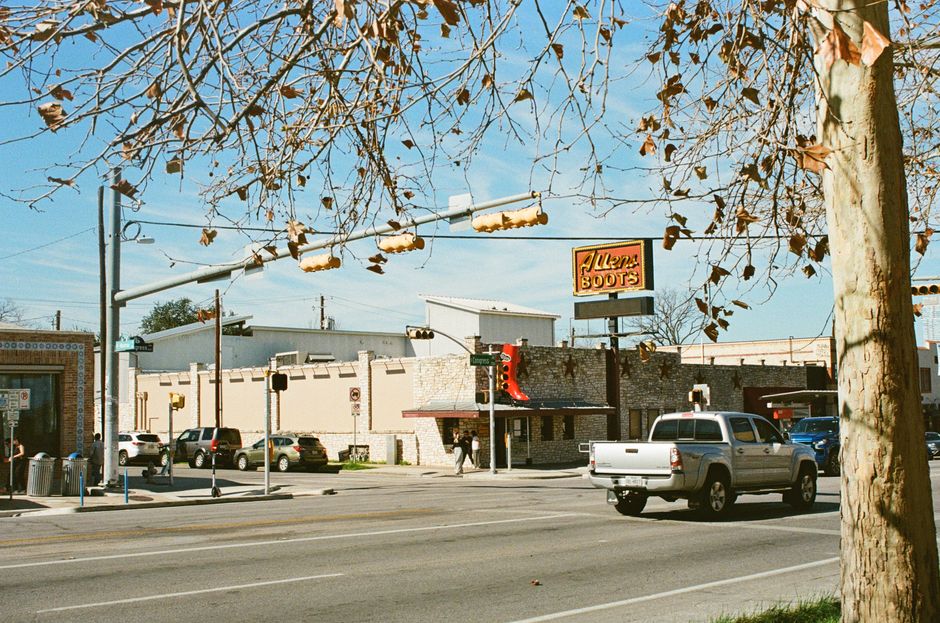
South Congress has become something of a middle ground between downtown's corporate feel and East Austin's grittiness. The Congress Avenue corridor itself—particularly between the river and Monroe—has consolidated into a genuinely pleasant walking neighborhood. The street has that "things to do" density that makes walking worthwhile.
Families increasingly settle here. The neighborhood has decent schools (always the first question), parks, and a community feel. Young professionals without kids also do well—the restaurant scene is solid, rents are high but not Downtown-level, and you're close to south Austin's outdoor culture without being isolated.
SoCo's main drag has a patina of authenticity that actual South Austin residents sometimes roll their eyes at. It's become the "Austin experience" destination for tourists. That's not inherently a bad thing—the businesses are real, the food is good, and the street is walkable in a way much of Austin isn't. But if you're looking for undiscovered local culture, you've already found it, gentrified it, and opened a pop-up about it.
The neighborhoods immediately west and south of the main corridor—around South First and South Second streets—offer similar vibes with slightly lower visibility and slightly lower prices. This is where Austin's creative class increasingly lives, because it's close enough to be convenient but far enough to feel intentional.

West Lake Hills and South Austin's Suburbs: Families and Retirees
If you're moving to Austin with a family and your primary concern is good schools, you're probably looking at the suburbs. West Lake Hills, Barton Hills, and the neighborhoods around Lady Bird Lake's western edge attract families willing to trade walkability and nightlife for good school districts and space.
These areas are legitimately pleasant. You get tree-lined streets, green space access, and a kind of suburban calm that feels intentional rather than boring. Parks are well-maintained. The schools perform well on standardized tests. You're still close enough to downtown that commuting is reasonable, depending on your workplace.
The trade-off is real, though. You need a car for almost everything. Restaurants are mostly chains or upscale sitdowns rather than the food truck and taco culture. The cultural vitality that makes Austin interesting to visitors is distant. A retiree might find this a perfect middle ground—close enough to the city to access events and restaurants, far enough out to have genuine quiet and space.
Rents and home prices here are steep—often steeper than you'd expect for suburbs, because proximity to Austin's job market and amenities drives demand. But if you're raising kids and schools matter more than walkable nightlife, the investment might make sense.
North Austin: Budget-Conscious Newcomers and Overlooked Potential
North Austin gets overlooked, which is partly why it's interesting. The neighborhoods around Anderson Lane and Burnet Road have been experiencing genuine investment without the self-conscious branding of trendier areas. You get more space for your money, less crowding, and actual diversity.
People price-conscious about their move—including young professionals, artists, and retirees—often find North Austin reasonable. Rent and housing costs are notably lower than central or south Austin. Commuting north is often actually easier than fighting the downtown-bound traffic. There are decent parks, growing restaurant scenes, and enough quirk to feel like Austin without the Instagram saturation.
The catch is less dramatic than East Austin's growing pains but real nonetheless: you're farther from the core of what people think of as Austin culture. A night out downtown means a 20-minute drive. You're driving more in general. The neighborhood isn't walking-distance tight the way South Congress or downtown can be.
For visitors, North Austin makes sense if you're staying longer than a week and want to save money while seeing how actual Austin residents live. For new residents, particularly those who work in North Austin, it offers genuine value and a less frantic pace than the central neighborhoods.

The Honest Conversation About Austin Right Now
Here's what I learned spending time in all these neighborhoods: Austin is genuinely segregating by price point and life stage. The neighborhoods that are walkable and culturally active—Downtown, SoCo, East Austin—are becoming less accessible to people without strong incomes. Families with kids often need to leave the central city to get schools and space. Retirees finding Austin increasingly expensive.
That's not unique to Austin, but it's happening faster here than in comparable cities. If you're visiting, none of this matters much—spend a few days downtown, take a day trip east, walk South Congress, and you'll get the Austin you expected.
If you're moving here, the neighborhood question is complicated by economics, life stage, and what you actually need versus what Instagram suggests you want. The neighborhood that looks perfect in a weekend visit might exhaust you in a year. The quiet suburb might bore you by month six. The real work is honest assessment: How much are you willing to spend? How important is walkability, really? What will you actually use?
Austin's best neighborhoods are the ones where you make an intentional choice that matches your actual life, not the Austin of the tourist board or the Texas Monthly feature. That's harder to write about than rankings, but it's the truth of living here.



