
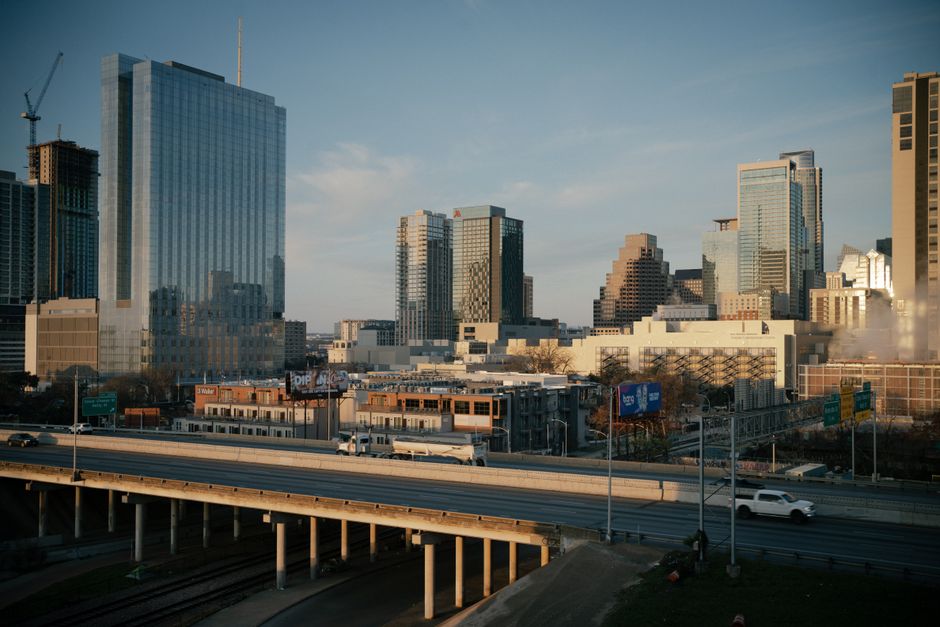
I rolled into Austin on a Thursday afternoon, rented a bike, and immediately understood why people lose their minds over this place. Live music pouring out of every storefront, tacos better than they have any right to be, and that specific Texas swagger that makes you feel like you're part of something. But after a week of exploring, I also figured out which parts of Austin's reputation are genuinely earned and which ones are mostly just really good at marketing themselves.
This isn't a hit piece. Austin is genuinely great. But it's also deeply weird in ways that have nothing to do with the Sixth Street crawl or the Congress Avenue Bridge. If you're planning a trip, or you live here and want to know what you're missing while standing in yet another line on Rainey Street, here's how I'd break it down.
The Overrated Tour: What You Can Skip (or at Least Not Obsess Over)
Sixth Street after dark is a particular kind of purgatory. Yes, I went. Yes, the bars are packed and loud and there's live music spilling out onto the sidewalk. But it's also shoulder-to-shoulder tourists, inflated drink prices, and a vibe that feels less "authentic Austin" and more "what Austin thinks tourists want Austin to be." The bands are fine. The beer selection is fine. The whole thing is just… fine. You're not missing cultural authenticity; you're standing in a crowd of people who all had the same idea to experience "real Austin" on a Friday night.
Similarly, Congress Avenue Bridge at dusk to watch the bat emergence has become a rite of passage that I genuinely didn't need to complete. Don't get me wrong—the bats are real, they do come out, and there's something momentarily wild about seeing them pour out from under the bridge. But the actual experience is standing shoulder-to-shoulder with a hundred other tourists waiting for nature to perform on cue. The moment itself is maybe two minutes. You spend thirty minutes getting there and another twenty waiting in line to leave.
Food trucks get treated like religious sites by travel writers, and some of them deserve it. But the famous ones—the ones with lines around the block—are often just very consistent rather than actually transcendent. Fair warning: standing in a line that long means you've probably got better things to do with your time. The food is good. It's not worth the wait when you could spend fifteen minutes finding something just as delicious one block over.

Barton Springs Pool Is Great (But Everyone's Wrong About Why)
The constant icewater-cold spring-fed pool in Zilker Park gets treated like a spiritual experience, especially on 105-degree days. And fine, jumping in does feel genuinely transcendent when you're overheated. But the real reason to go isn't for some meditative swimming experience—it's because you can roll up to a massive park, hang around for a few hours without spending much money, and understand why Austinites love it here.
The crowds can be chaotic on summer weekends, sure. But the actual experience of the place—the walking trails, the simple act of being in a green space while it's 110 degrees outside—that hits different than what you'll get standing in a bar district or watching bats on schedule. Go to Barton Springs. Just understand that the magic is in the ordinary comfort, not some Instagram moment.
What Actually Deserves Your Attention: The Real Austin
Lady Bird Lake trail is a running and walking path that somehow avoids the main tourist circuit, even though it's right there, looping around downtown. I rented a bike and spent a morning just pedaling the loop—no itinerary, no performance, just Austin as it actually functions. The trail is lined with neighborhoods, little parks, actual people living their lives. You'll pass locals out for a run, kayakers on the water, dogs everywhere. It doesn't feel like a tourist experience because it isn't one. You're just moving through the city the way Austinites do.
The Bullock Texas History Museum got zero buzz from anyone I talked to, but I spent two hours inside and got a better understanding of the state and the city than I would've from a dozen bars on Sixth Street. It's genuinely good—well-designed, not condescending, full of stuff that actually interests you whether you're from Texas or not. There's a top-floor viewing area with actual sight lines into downtown. It costs money, but it's worth it.
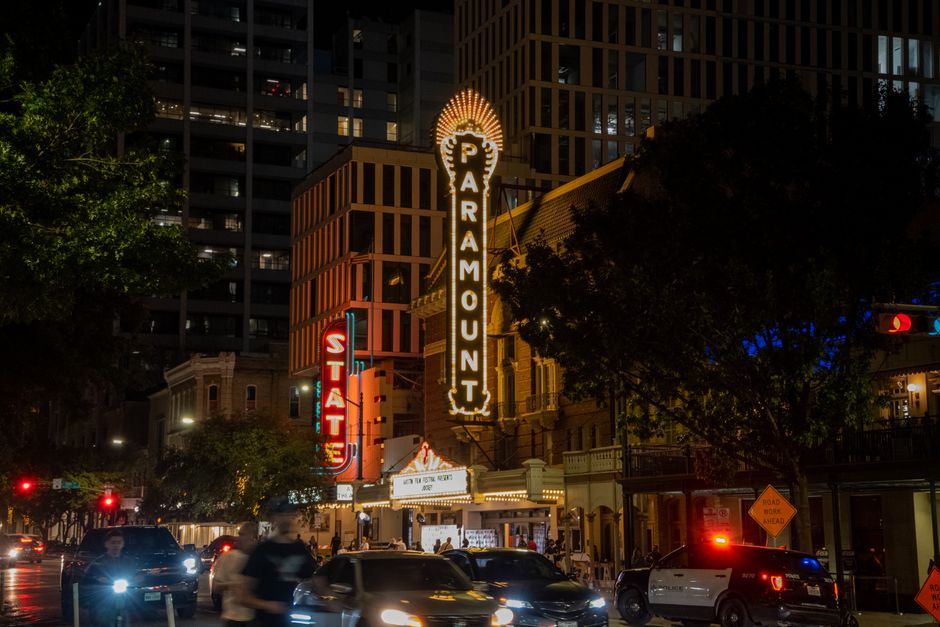
East Austin Is Where the Real Culture Is Happening
The gentrification conversation in Austin is real and complicated, but the stretch of East 6th Street, and the neighborhoods branching off from it, contain actual Austin culture in ways that the downtown tourist core doesn't. Street art, smaller venues with serious musicians, restaurants where the food matters more than the Instagram potential. Franklin Barbecue is famous. I didn't go—the line is genuinely legendary—but I ate at several barbecue spots in less famous locations and got better service and more interesting conversations with the people running them.
Artists living on the eastern side of the city have shaped what Austin is for decades. Walk around Mueller, check out the galleries and smaller music venues. These are spaces where the city's actual identity lives, not where it's been packaged for visitors. You'll likely spend less money, eat better food, and actually understand what makes Austin weird in an interesting way rather than just loud.
Deep Ellum Deserves Its Own Trip
Deep Ellum is technically in Dallas, not Austin, but if you're in Central Texas for more than a few days, it's worth the forty-minute drive. It's exactly what Austin's entertainment districts are trying to be—walkable, full of bars and live music and food, but with an actual community feel rather than a tourist-processing vibe. The street art is extensive and taken seriously. The venues range from tiny holes-in-the-wall to proper concert spaces. The people who work there seem to actually like their jobs.
It's not perfect. There's still gentrification happening, still the constant tension between keeping something real and making it profitable. But the vibe feels less manufactured than Austin's equivalent spaces, even though it's only an hour away. If Austin is the polished version of "weird," Deep Ellum is what that weird actually looked like before marketing departments got involved.
Where to Actually Eat (Beyond the Fame)
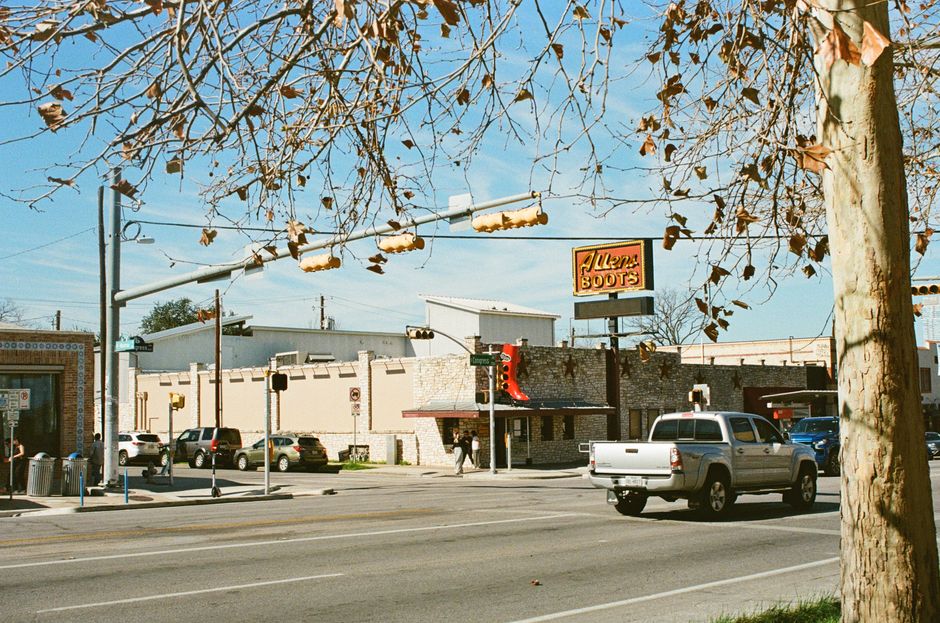
Tacos in Austin are universally good, and you will have no problem finding excellent ones. The famous taco spots are crowded and expensive for what you get. The best tacos I had were from a place that had no English signage, no visible online presence, and where I had to ask a neighbor where to stand in line. It cost about four dollars for three tacos. This is not a special find—this is just how it works in Austin if you're willing to walk six blocks off the main drag.
Traders Joe's and Wholefoods are tourist destinations, which is weird. The Odd Duck focuses on local sourcing and has become a foodie destination worth the reservation. But honestly, the city's best meals happen in quieter neighborhoods like Mueller, Hyde Park, and parts of South Austin that don't make the typical itinerary. Thai Town, along East Riverside, has restaurants that are significantly better than the ones in the downtown core, at half the price.
The Honest Takeaway
Austin is real. The live music is great. The food is excellent. The people are generally friendly and weird in ways that feel genuine. But the parts that have become famous are mostly famous because they're easy to find and easy to write about, not because they're the best Austin has to offer.
If you come here, spend some time. Ride a bike around the neighborhoods. Find a food spot with no English menu. Go to a smaller venue on a weeknight instead of the packed clubs. Skip the Sixth Street circuit entirely—nothing you do there will tell you anything about Austin that you couldn't figure out from the internet beforehand. The city reveals itself slowly, in small moments, to people patient enough to look for it.



