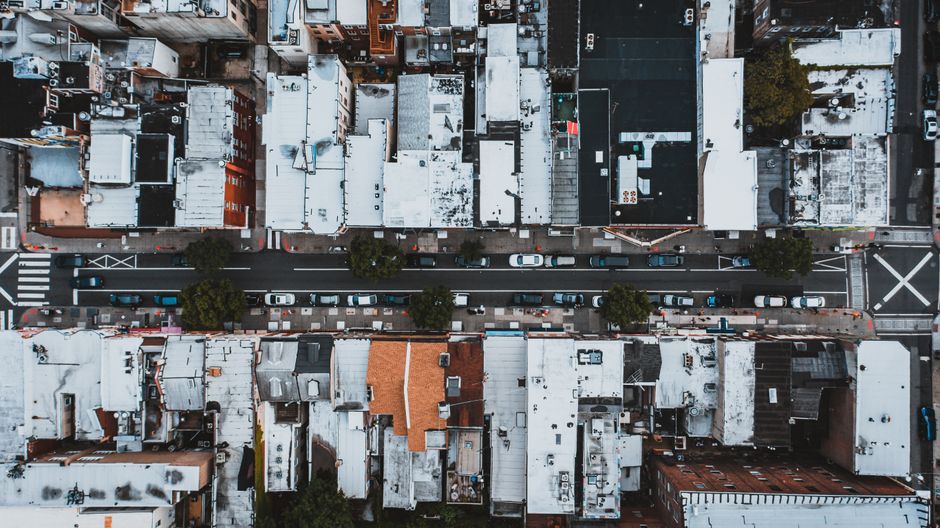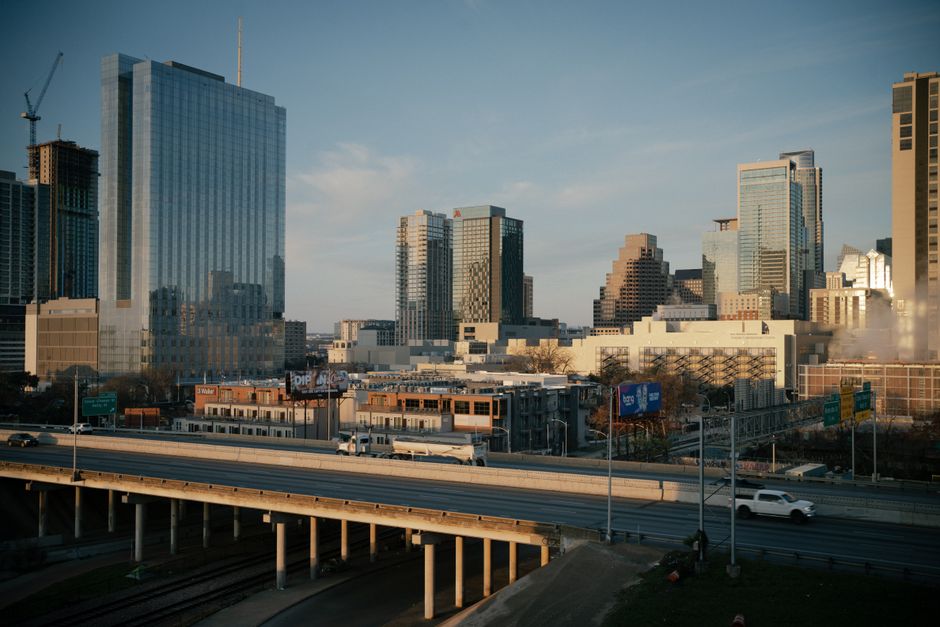
I rolled into Austin on a Thursday afternoon expecting the usual Texas sprawl. Instead I found myself walking down a street lined with food trucks, vintage shops, and people who actually seemed to be enjoying themselves in 95-degree heat. That's the thing about Austin—the neighborhoods feel nothing like cookie-cutter suburbs. Each one has a particular flavor, and where you land matters more than you'd think for how you experience the whole city.
I spent three weeks bouncing between different areas, staying in Airbnbs, eating breakfast at neighborhood spots, and talking to people who'd actually moved here or were visiting for the first time. What became clear is that Austin isn't one city but several distinct towns layered on top of each other. Some neighborhoods cater to the tech-worker crowd, others to families who've been here thirty years, still others to tourists wanting to stay close to the action. Here's what I found.
Downtown Austin: The Tourist Draw (and a Decent Place to Actually Live)
Downtown is the obvious choice if you want to be where things happen. The Rainey Street historic district has converted Victorian homes into bars and restaurants. Sixth Street is exactly what you'd expect—loud, crowded on weekends, full of people who may or may not remember how they got there. But downtown has evolved. You'll find real neighborhoods within the downtown core, not just party blocks.
If you're visiting for a long weekend and want to walk everywhere, this works. Restaurants, live music venues, and the Zilker Park entrance aren't far. But here's the honest part: living downtown as a permanent resident is expensive and feels less like a neighborhood and more like an extended hotel stay. The foot traffic never stops. Your grocery store trip becomes an obstacle course. That said, younger professionals and tourists on a budget often find it tolerable because the walkability is real, and you can genuinely leave your car parked for days.
The vibe is young, transient, and always slightly chaotic. Expect noise, expect crowds, expect to run into people from your hometown. Families with kids mostly avoid this area, which probably tells you something about the late-night noise level.
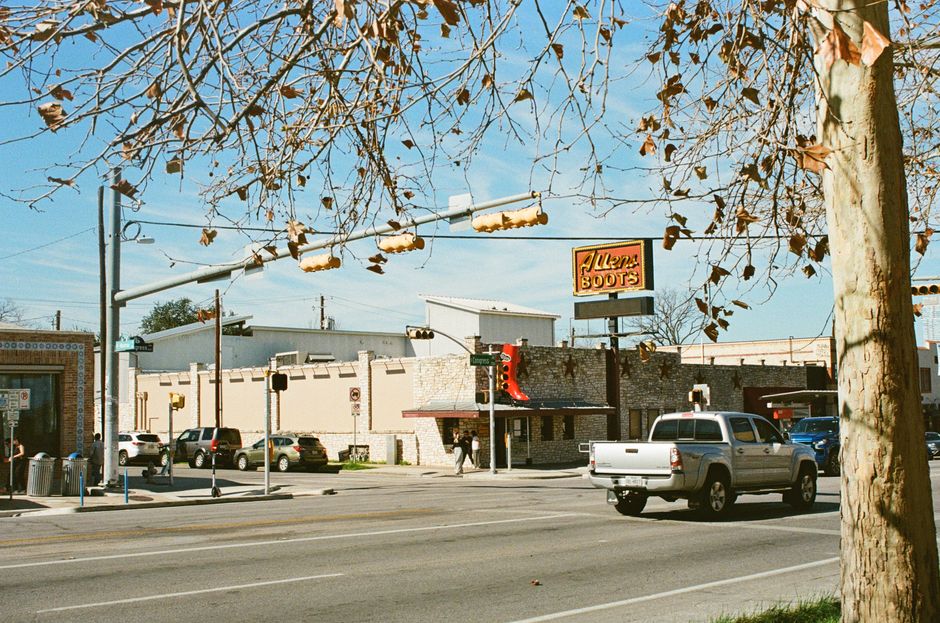
South Congress (SoCo): Quirky Without Trying Too Hard
South Congress Avenue is what people imagine Austin to be before they move here. The buildings are low-slung, vintage, and actually human-scaled. You've got Torchy's Tacos, Home Slice Pizza, boutique clothing shops that don't feel like they're trying. On weekends, the neighborhood hosts a farmers market that attracts actual humans buying actual produce, not just Instagram backdrops.
I spent a full day just walking Congress Avenue and sitting in coffee shops. The neighborhood has real families living in the older homes nearby, young professionals renting in the growing apartment buildings, and tourists who heard about South Congress and wanted to see what the fuss was about. The food scene is genuinely good without the pretense of other Austin neighborhoods. Roosevelt Avenue, one block over, has become its own small district with interesting restaurants and the kind of bars where locals outnumber visitors.
This is a good fit for visitors who want to avoid the chaos of downtown but still want to feel like they're in Austin. It's also a solid choice for young professionals and creative types—design agencies, music production companies, and bookstores cluster here. The main drawback is that it's become increasingly popular, which means prices have climbed and parking can be painful. If you're thinking of moving to Austin and want a neighborhood with actual character, SoCo is worth considering, though you'll pay for the privilege.
East Austin: Where Austin Is Actually Changing
East Austin used to be overlooked. Now it's the neighborhood everyone argues about. The area has historically been home to Latino families, musicians, and working-class Austinites. In the past decade, new development has moved in aggressively—new apartments, restaurants, tech offices. Some longtime residents and business owners have thrived. Others have been displaced. It's complicated, and it's worth acknowledging if you're moving here or visiting with any sense of awareness.
That said, East Austin has real energy. Rainey Street's older cousin, East 6th Street, has bars and live music that feel less rehearsed than downtown. The food is excellent and varied—taquerias, Vietnamese restaurants, African restaurants, fusion places. You'll find young professionals, families who've lived here for generations, artists who can't afford West Lake Hills, and entrepreneurs opening new businesses. The neighborhood doesn't feel frozen in time or artificially preserved like some Austin areas.
For visitors, East Austin is worth exploring if you want to see what Austin actually is, not what the guidebooks say it is. It's less polished than South Congress, more authentic, sometimes rougher around the edges. For new residents, especially those who care about community history and aren't just looking for the shiniest new apartment, East Austin offers more interesting neighborhoods than you might expect. Just go in with open eyes about what's happening with development and gentrification.

West Lake Hills and Zilker Area: Families and Outdoors People
If you're moving to Austin with kids or you're retired and want to be near good parks, the Zilker area is where you land. Zilker Park itself is enormous, with hiking and biking trails, a pool, open green space that makes sense in a Texas summer. The neighborhood around it has families, playgrounds, and the kind of Saturday-morning vibe where people actually talk to their neighbors.
West of downtown, you hit the wealthier neighborhoods—West Lake Hills proper, the area around Lady Bird Lake. Houses are bigger, yards are nicer, and yes, the money is obvious. But there are pockets of more modest homes, townhouses, and older apartments that don't require tech-worker salaries. The tradeoff is that you're less walkable to downtown attractions. You need a car. The neighborhood trade-off is that you get actual neighborhood, actual parks, actual space.
Visitors don't typically stay here unless they're visiting family, but if you're moving to Austin with kids in tow, Zilker area and West Lake Hills should be on your list. The schools are better, the parks are bigger, and your child can play outside without needing to look over their shoulder. It's less exciting than SoCo or East Austin, but it's more livable in a traditional sense.
Mueller and North Austin: The Planned Neighborhood Experiment
Mueller is what happens when a developer, urban planners, and architects all decide to build a neighborhood from scratch. It's a former airport turned residential development with good bones—mixed housing types, local retail, parks built into the plan from the start. Walking through Mueller feels intentional in a way that most Austin neighborhoods don't, because it literally was intentional.
It attracts young families, professionals wanting more space than downtown, people who actively want walkability but don't want the chaos of central Austin. There's a farmers market, some decent restaurants, parks where kids are actually everywhere. The neighborhood feels sterile compared to East Austin or South Congress, but that's partly the point. It's safer, cleaner, more controlled. Some people love that. Others find it boring.
For visitors, Mueller isn't really a destination. For new residents considering Austin, especially families, Mueller represents a different bet—that intentional design and planning beat organic neighborhood development. The neighborhood is still filling in, still evolving. Time will tell whether it becomes a real neighborhood or just a well-planned suburb. North Austin more broadly is where you see young families priced out of central locations, and where Austin is actually expanding.

North Loop and Crestview: Underrated and Livable
North Loop Avenue runs perpendicular to downtown and has become quietly interesting. It's not Instagram-famous like South Congress, which might be the best thing about it. You'll find good food, local bars, vintage shops, and people who actually live there rather than visiting. The neighborhood has a real mix—older houses, young professionals, longtime residents, people who moved to Austin ten years ago and stayed.
Crestview, just east of North Loop, is even quieter and more residential. Tree-lined streets, reasonable housing prices compared to other central Austin neighborhoods, actual yards. It's where you go if you want to be close to downtown and everything Austin offers without feeling like you're living in a commercial district.
For visitors, North Loop is worth a morning or afternoon. It's less crowded than South Congress but with similar energy. For new residents, especially those priced out of the obvious neighborhoods, North Loop and Crestview offer genuine livability. The neighborhood is established enough to have character but new enough to still be evolving. It's probably the most honest recommendation I can make for someone moving to Austin on a normal budget.
The Real Talk About Austin Neighborhoods
Every Austin neighborhood is getting more expensive. That's not a secret, but it's worth stating plainly. Where you can actually afford to live might matter more than where you theoretically want to live. The neighborhoods I've described range from very expensive (downtown, West Lake Hills) to moderately expensive (South Congress, Mueller) to relatively reasonable (East Austin in some pockets, North Loop, Crestview).
Visitors should think about what they want from their time here. Close to live music and bars? Downtown or East 6th. Want to walk around and eat interesting food? South Congress or North Loop. Want to feel like you're in an actual neighborhood with families and parks? Zilker area or Mueller. Want to see Austin beyond the tourist version? East Austin, without question.
For new residents, spend time in neighborhoods before you commit. Walk around at different times. Go to the grocery store. Talk to people at coffee shops. Austin's neighborhood character matters more than it does in most cities, because there are genuinely different vibes happening in relatively close proximity. Where you land will shape your whole experience of living here.