I showed up in Austin on a humid afternoon in September, the kind of heat that makes you question every decision. My first instinct was to hit Congress Avenue and the Zilker Park main drag like everyone else. But after three days of tourists bumping elbows at food trucks and fighting for parking, I got tired of performing tourism and started just walking.
That's when Austin revealed itself. Not in the postcard spots everyone visits, but in the neighborhoods where people actually live. The parks where you'll find maybe a handful of other people. The small museums and shops that don't rely on foot traffic from out-of-towners. I'm not gatekeeping—I'm just reporting what I found when I quit following the guidebook.
Tantra Coffeehouse and the East Austin Vibe
Head east on Mueller Boulevard and you'll hit neighborhoods that feel genuinely alive in a way that South Congress, for all its charm, just doesn't anymore. Tantra Coffeehouse sits in the middle of this—not a destination spot, not trying to be Instagram-famous, just a long-running coffee place where people work, read, and actually know the baristas by name.
The coffee is solid. The pastries rotate. But what struck me was the mix of people: young families, older folks who've lived here decades, artists, tech workers, people who couldn't afford to move to the trendy neighborhoods if they tried. It's the Austin that exists before it becomes Austin-branded. Sit long enough and you'll hear three different languages and at least two conversations about rent increases. The real story of the city, basically.
McKinney Falls State Park: Actual Water, Actual Quiet
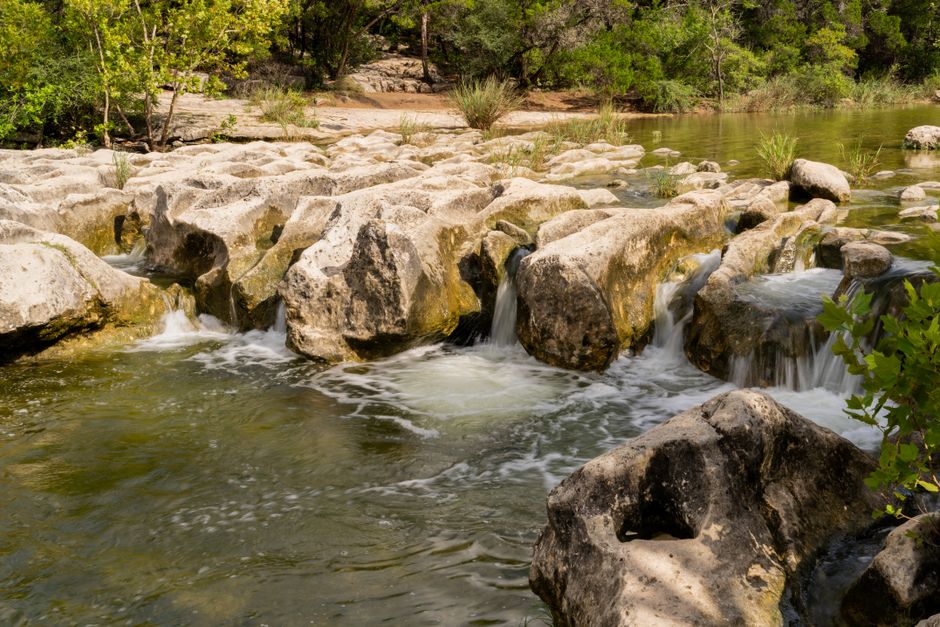
If you've only been to Barton Springs, you're missing what makes Austin's outdoors actually worth your time. McKinney Falls is about fifteen minutes southeast of downtown, and on a weekday afternoon in early fall, I saw maybe eight other people the entire time I was there.
You get two separate swimming holes—the lower falls are easier to reach and fill up a bit more, but even then, it's nothing like the zoo that Barton Springs becomes. The upper falls require maybe a thirty-minute hike through actually scenic Hill Country terrain. Real trees, real creeks, real isolation for about ten bucks. The water was cold enough to actually matter. I floated for an hour and saw exactly one jogger and two teenagers who clearly had found the place the same way I had: by not consulting TripAdvisor.
This is where people who live here come when they want to remember why they moved to Austin in the first place.
The Blanton Museum of Art (and Why It Stays Quiet)
The Blanton sits on the UT campus, free admission to the permanent collection, and it stays empty because tourists don't know it's there and locals forget to go. I spent a rainy morning there and passed maybe three other people in two hours of wandering.
It's not a tiny museum—the collection ranges from Old Masters through contemporary work, with decent Latin American and modern American sections. But because it doesn't have the brand recognition of somewhere like MoMA or the Art Institute, you get to actually see the paintings. You don't have to compete for sightlines. You can sit in front of something for twenty minutes if you want. The contemporary wing has good bones, and the bookstore downstairs has the kind of art books that make you feel like you're in a real place, not a tourist venue.
Go on a weekday afternoon. Bring a UT student ID if you have one, though honestly, they barely check. It's the kind of place that exists in most major cities—completely legitimate, genuinely interesting, and weirdly undiscovered by anyone not already living here.
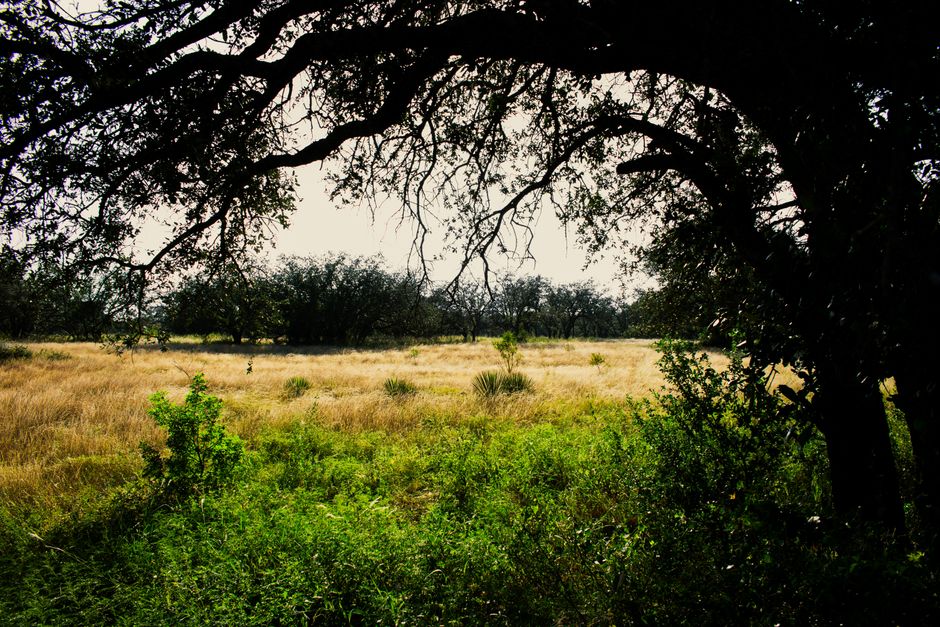
Walnut Creek Metropolitan Park: The Park Austin Forgot
This one sits north of downtown, in an area tourists almost never drift toward. It's not as famous as Lady Bird Lake or as scenic as McKinney Falls. But it's a legitimate park with trails that actually challenge you a little, creek views, and the kind of weird Austin ecosystem you come here to experience.
The main loop is about four miles and mostly shaded, which matters when the temperature climbs. I saw families, old folks doing their laps, a few hikers actually trying. The parking lot was maybe half-full on a Saturday morning. There's a clear hierarchy here: people who live in north Austin use this park daily, people from downtown occasionally remember it exists, and tourists almost never find it.
What got me was how normal it felt. How it wasn't optimized for your experience. The trail markers are straightforward, the benches are basic, nobody's trying to sell you anything. This is a public park doing the job of being a public park.
Mueller's Neighborhood Exploring: When Development Actually Works
Mueller is a weird thing to recommend because it's relatively new construction and explicitly planned, which usually means soulless. But spend an afternoon there and you start to understand why locals—especially younger families and people priced out of older neighborhoods—actually like living in Austin.
Start at Boggy Ford Park, which somehow doesn't feel like a developer's idea of green space. There's actual water, decent trails, and people come here because they live here, not because the guidebook says to. Walk through the neighborhood itself. Get coffee at one of the small spots. Grab food from whoever's actually cooking. What struck me was how Austin this felt while being completely new. Mixed income, actual density, walkable. It's genuinely different from either the wealthy enclaves or the overcrowded college neighborhoods.
I'm not saying new development is always good. But this particular project seems to have figured something out that most cities can't—how to build something that doesn't feel extractive, that actual Austinites want to spend time in.
Manuscript Collection at the Harry Ransom Center
The Ransom Center's rare book and manuscript collection sits on campus, free to wander through the exhibitions, and it's genuinely one of the strangest places in Austin if you can find it. They rotate exhibitions constantly, and the stuff they have access to is legitimately wild—early printed books, letters, original manuscripts, photography collections.
I caught an exhibition of manuscripts from the first generation of writers who actually wrote about Texas. The collection breathes obsession—someone spent their career gathering these things. It feels less like a museum and more like someone's beautiful intellectual hoard that you're permitted to walk through. The building itself, while modern, doesn't feel like it's trying too hard. Quiet. Genuinely scholarly.
You need to know this place exists to go there. Which is both the problem and the point.
Practical Notes and How This Actually Works
None of these spots are more than twenty minutes from downtown. Most have minimal admission costs or are free. Most are actually better on weekdays, especially mid-week, which is something to remember if you're trying to actually experience a place rather than perform a visit to it.
The real Austin move isn't to collect places you've been. It's to find a neighborhood that has a coffee shop you like, or a park where you actually want to sit for an hour, or a small museum that makes you think differently about something. Stay long enough that you stop looking at your phone and start noticing the actual city. That's when Austin stops being a tourist destination and starts being somewhere you understand.