
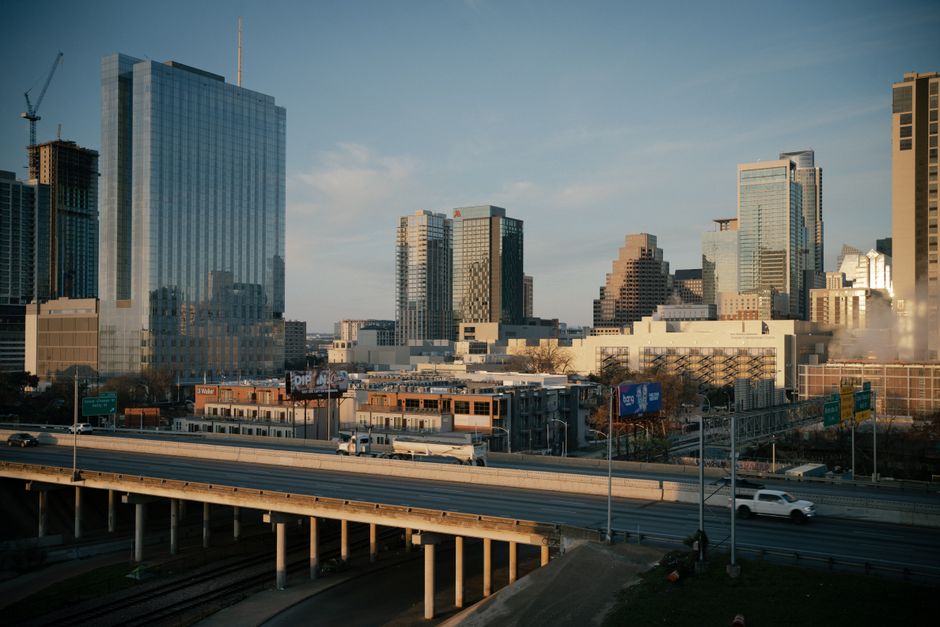
I showed up in Austin on a Thursday evening with a rolling bag and zero attachment to where I'd sleep. That's when the real choice hit me: Austin's not actually one city. It's a collection of distinct neighborhoods that might as well be different towns, each with its own weather pattern, bar culture, and type of human walking the streets at midnight. After staying in five different parts of town across two months, booking random Airbnbs and walking around at all hours like some kind of urban researcher, I started to understand what actually works if you want a decent short-term rental that doesn't trap you in a car or a tourist gauntlet.
The neighborhood you pick will fundamentally change your Austin experience. Book on 6th Street downtown and you're essentially paying to attend a bachelorette party every night. Pick the wrong pocket of East Austin and you're waking up to construction that starts at 6 a.m. Choose wisely, though, and you'll land somewhere that feels like you actually live here—where you can walk to coffee, hit a decent restaurant without reservations, and figure out what the city is actually about.
South Congress (SoCo): The Obvious But Not Terrible Choice
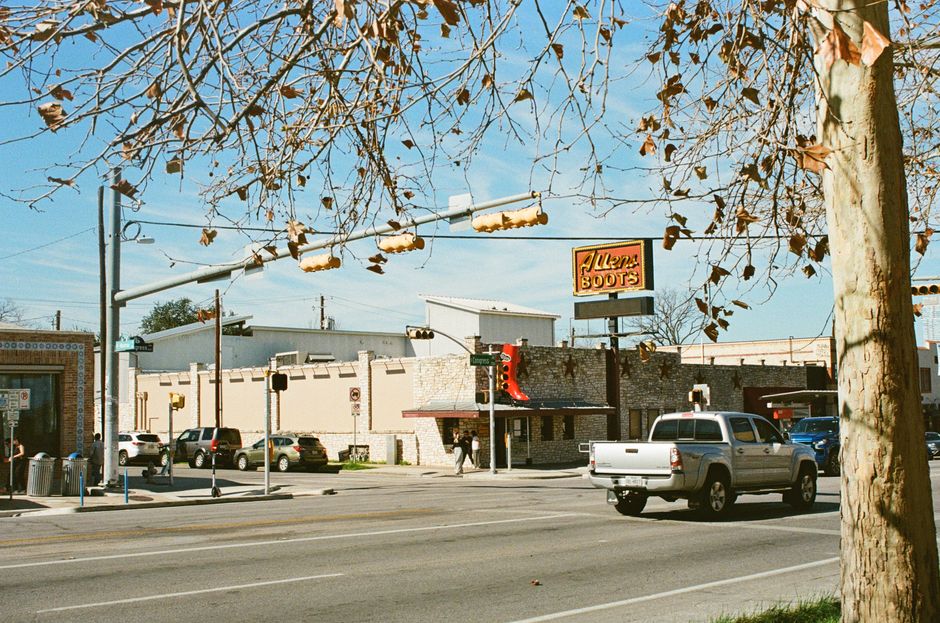
South Congress Avenue is where every travel writer points you first, and they're not entirely wrong. It's walkable, crowded in an intentional way, and you can stumble out of an Airbnb directly onto the street where things actually happen. Congress runs north-south, restaurants cluster around the 1st Street intersection area, and there's enough happening that you don't feel like you need a car to justify a night out.
The trade-off is obvious: you're sharing the neighborhood with tourists. Lots of them. The vibe is more Austin-for-consumption than Austin-for-living. Nightlife doesn't really quiet down until 1 or 2 a.m., which is fine if you like that. Safety-wise, it's busy enough that you don't feel stranded, though stick to the main drag if you're out late. An Airbnb here runs somewhere in the $130–$180 per night range depending on size and season—not cheap, but you're paying partly for the walkability tax.
Where it actually works: if you want to walk to food and bars without planning. Where it falls apart: if you value silence, or if you want to understand Austin beyond its entertainment district. I spent one week here and felt like I was touring a curated version of the city.
East Austin: More Interesting, More Complicated
East Austin starts around the Interstate 35 corridor (roughly 5th Street and beyond, though the neighborhood sprawls further east). This is where Austin's real character lives—dive bars that don't have Instagram accounts, taquerias that serve breakfast at 6 a.m., and a genuine mix of longtime residents and newer arrivals. It's walking distance to downtown without feeling like downtown.
Booking an Airbnb here requires more homework than SoCo. The neighborhood has pockets. You want to be east of I-35 but not so far out that you need a 15-minute walk to anything. 6th Street itself is solid for walkability. 7th and 8th Streets offer quieter blocks but still reasonable access to food and bars. The nightly rate drops to $100–$150, sometimes less if you find a smaller unit off the main streets. The trade-off: you'll hear traffic from I-35 depending on where you land. Safety is fine if you're paying attention to the usual street smarts—busy enough at night that you're not alone, though the crowd is different than downtown.
Nightlife exists but isn't forced on you. Small bars, live music venues, zero bar crawl energy. If you stay here, you'll actually figure out what neighborhood people talk about when they talk about Austin. The downside is that East Austin is actively changing. New construction, rising rents, and gentrification are real pressures. Some long-standing businesses fold yearly. It's not the same city twice.
Mueller: The Planned Neighborhood That Somehow Works
Mueller is north of downtown, built on the old airport land, and it reads like a developer's fever dream: mixed income, walkable blocks, designed community. And yet it actually functions as a neighborhood instead of just looking like one. There's a central plaza with restaurants and shops. You can walk to coffee. A grocery store exists. It's not chaotic.
This is where you book if you want to avoid the downtown noise entirely but don't want to feel exiled. Mueller draws a younger crowd and young families, so the bar scene is more low-key than South Congress but still there. Restaurants tend toward casual and solid rather than Instagram-bait. An Airbnb runs $110–$150 per night. Safety is genuinely fine—the neighborhood has that planned-community feel where people are actually around, doing normal things.
The catch: it can feel sterile. Mueller is nice the way a well-run shopping mall is nice. If you want Austin to feel alive and a little unpredictable, Mueller might feel too comfortable. You'll also need to decide if you're okay with a neighborhood that was explicitly designed rather than organically built. Some people think that's a feature. Others find it soulless. I landed somewhere in between.
North Loop and Allandale: Residential and Quiet
North Loop starts around Martin Luther King Jr. Boulevard and Burnet Road area, angling toward the neighborhoods around Allandale. This is where Austin residents actually live—not tourists, not young professionals optimizing their Instagram, just people maintaining houses, working regular jobs, and going to neighborhood bars that have been there for 20 years.
Walkability is moderate. You can walk to some things, but having a car or being comfortable with a short rideshare trip is realistic. The payoff is that nightly rates drop to $90–$130, and you wake up to actual quiet. These blocks don't have a predetermined vibe—they have a real one. Restaurants are sparse compared to downtown, but that's the trade. What exists tends to be good and low-pressure. Safety is not an issue. The neighborhood is stable, mixed-income, and genuinely boring in the best way.
Book here if you want to slow down. If you came to Austin thinking you'd party every night, this will feel like you picked wrong. But if you wanted to understand how the city actually works outside the tourist infrastructure, this is where you learn it.
Zilker and South Austin: Walking Distance to the Outdoors
Zilker is the neighborhood surrounding the park, and it's a completely different Austin experience. You're close to Barton Springs, hiking and kayaking access, and people who moved here partly because of the green space. The vibe is outdoorsy without being aggressively performative about it.
Walkability is good along Barton Springs Road—coffee shops, restaurants, some bars. But Zilker works best if you're actually planning to use the park, the pool, the trails. If you're just sleeping here and heading downtown every night, you're wasting geography. Nightly rates run $120–$170 depending on exactly where you land. Safety is fine. Nightlife is muted, which is the whole point.
Book here if you're planning to spend actual time outside, or if you want a slower, less downtown-focused Austin. The neighborhood feels separate from the city's main energy, which can be restful or isolating depending on what you're looking for.
What Actually Matters When You're Booking
The real skill in picking a neighborhood is knowing what trade-off you're making. South Congress buys you walkability and entertainment for the price of crowds and cost. East Austin gives you character and lower prices for the price of needing to learn the terrain. Mueller offers comfort and safety for the price of personality. North Loop trades activity for quiet. Zilker trades neighborhood density for nature.
Before you book, figure out what you actually want to do in Austin. If it's bars and restaurants and walking drunk at 2 a.m., South Congress or East Austin. If it's slower days with outdoor stuff, Zilker. If you want to understand how Austin residents actually live without performing Austin, North Loop. If you want something that splits the difference with a bit more polish, Mueller.
Check the Airbnb photos carefully for what's actually around the property, not just the property itself. Walk Google Street View down the block at night if the app lets you. Read reviews from people asking about noise and walkability, not just people saying "great vibes!!!" I've landed in perfectly fine rentals in wrong neighborhoods, and I've found gems in places that looked sketchy on the listing. Context matters more than the algorithm.
The Thing Nobody Tells You
Austin traffic and car culture are real, even in the walkable neighborhoods. South Congress and East Austin work without a car if you're disciplined. Mueller works fine. North Loop and Zilker assume you've got wheels or a solid rideshare budget. I watched people book downtown and then realize they'd need an Uber to get anywhere practical, which defeats the purpose of paying downtown prices.
Also: Austin is hot. If you're here in summer, walkability matters differently. An extra two blocks feels like a mile. Neighborhoods with shade, plazas, or easy coffee breaks hit different when it's 98 degrees at 8 a.m. Keep that in mind when you're looking at that photo of a walkable block in June.
Most importantly, stay somewhere long enough to get bored. One night tells you nothing. Three nights shows you what a neighborhood actually is.



