
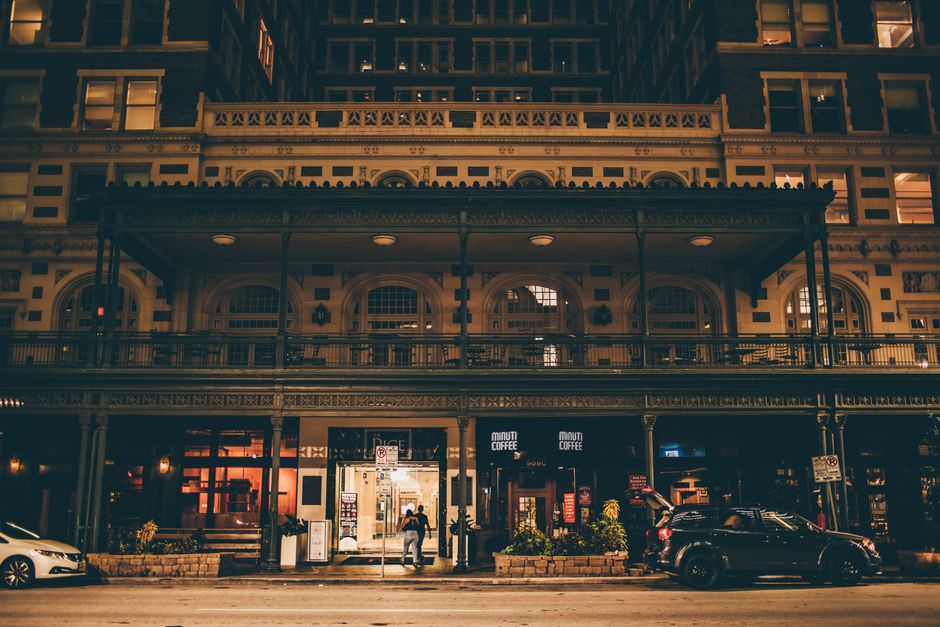
I landed at IAH on a Thursday afternoon with a half-formed plan: find a neighborhood that didn't feel like I was just passing through, where I could walk to dinner, maybe catch some live music, but also sleep without sirens at 2 a.m. Houston gets a rough rap from outsiders who haven't actually spent time here, which is funny because the city's real talent is hiding in plain sight—neighborhoods that work, that have character, that won't drain your wallet.
The Airbnb game here is different than Austin or Dallas. You're not paying boutique prices for a closet, and you're not isolated in some sterile suburb either. The sweet spot exists if you know where to look. I spent three weeks moving between neighborhoods, coffee-shop testing, night-walking, and talking to locals at bars. Here's what I found actually works for a short-term stay.
Montrose: The Reliable Middle Ground
Montrose is the neighborhood people recommend first, and there's a reason for that—it works. You've got Westheimer running through it like a spine, packed with restaurants, cocktail bars, vintage shops, and enough foot traffic that you don't feel exposed at night. The vibe is established but not stodgy. Families, young professionals, LGBTQ+ community, and weekend visitors all coexist without tension.
Walkability is solid. Most Airbnbs cluster around the Westheimer corridor or just north toward the Buffalo Bayou Park area. If you're within a quarter-mile of Westheimer, you can walk to dinner, drinks, or coffee. The park itself is actually worth a trip—green space, trail system, quiet when you need it. Nightly rates typically run $110–$180 for a one-bedroom. Safety is middle-of-the-road for Houston. You'll want to stick to well-lit areas after dark and avoid deserted side streets, but it's not paranoia territory. This is where people actually live, not a curated tourism zone.
The main downside: it's popular, which means booking ahead is necessary, and some hosts have gotten savvy about charging premium rates. Also, the nightlife exists but skews a touch older than Midtown. If you want to rage until 3 a.m., you might feel out of place. If you want a neighborhood where you can get a drink, grab food, and walk back to your place without drama, Montrose is your answer.

Midtown: The Party Zone (If That's Your Thing)
Midtown is Houston's nightlife hub, and I mean that literally. Main Street and the surrounding blocks are a concentrated bar crawl—live music venues, dance clubs, dive bars, upscale cocktail spots, all within stumbling distance. Thursday through Saturday, the energy is unmistakable. Weeknight quiet is not the word here.
Walkability is excellent. Everything is compact and pedestrian-oriented, which makes it easy to find things. Safety at night is generally fine on Main Street itself and the busy surrounding blocks, but street smarts apply. You'll see the full spectrum of late-night behavior. Pricing is surprisingly reasonable—$90–$150 for a one-bedroom, sometimes less if you're flexible on dates. The catch is obvious: if you came to Houston to sleep and work quietly, Midtown will test your patience. The noise doesn't stop early. Conversely, if you're here to experience the local bar scene and you don't mind the soundtrack, it's efficient and fun. Some Airbnbs in residential pockets just off Main Street offer a quieter alternative while keeping walkability.
Heights: Walking Distance and Actual Neighborhood Feel
Heights is probably my personal pick for a solo traveler who doesn't want to feel like they're in a transient bubble. It's north of downtown, historically working-class, and in the past ten years has attracted young families, artists, and professionals who actually want to live somewhere, not just rent. The neighborhood has restaurants that have been around for years, not weeks. There's a community vibe.
Walkability hinges on where you book. The heart—roughly around White Oak or 19th Street—is genuinely walkable. Coffee shops, taco joints, Thai restaurants, a brewery or two, and the Houston Arboretum at the north edge. Off the main drag, it's more car-dependent, but the main areas are fine. Nightly rates run $100–$160, so cheaper than Montrose and way cheaper than central neighborhoods. Safety is solid. This is a residential area, so foot traffic is lighter than commercial zones, but it's not sketchy. People walk dogs, run, go to restaurants in the evening. Nothing felt unsafe in my time there.
The downside: if you want immediate 2 a.m. options for food or bars, this isn't it. Heights closes down earlier than downtown neighborhoods. But if you want to take a morning walk around the neighborhood, grab breakfast somewhere with a line out the door, and come back to a quiet place at night, Heights delivers.

Washington Avenue / Warehouse District: Industrial Chic and Mixed Signals
This is the neighborhood people either love immediately or regret booking into. It's industrial, gentrifying, artsy in an intermittent way. Old warehouses converted into lofts, galleries, restaurants, and bars. The aesthetic is definitely Houston's version of "cool." Walking around during the day, you see street art, design studios, and people who look like they chose to be here.
Walkability is high, but it's a different flavor than other neighborhoods. You're walking between converted buildings and galleries, not strip malls. That said, restaurants and bars are there, just spaced out. Nightly rates sit at $120–$200, on the higher end for Houston. The real tension here is safety and traffic balance. The neighborhood has energy at night, but parts of it get quieter than you'd expect for an entertainment district. I saw groups of people having fun on some blocks, then blocks away felt abandoned. It's not dangerous—just inconsistent. Washington Avenue itself has traffic and a club scene, so noise can be an issue depending on your location.
Best for: People who want to feel like they're in a creative space, don't mind paying a bit more, and aren't bothered by some uneven nighttime energy.
East End / Sixth Ward: The Real Houston, Unreliably Gentrifying
I'm including this with a caveat: East End and Sixth Ward are neighborhoods in flux. There's genuine, long-standing community here—Mexican-American history, established restaurants and taquerias, cultural roots. And there's new investment happening, which brings restaurants and small businesses but also displacement and higher rents. As a short-term visitor, you're landing in the middle of that dynamic.
Walkability depends where you book. Around the Navigation area or some parts of Sixth Ward, you can walk to taquerias, cafes, and corner stores. It doesn't have the curated nightlife of Midtown or the retail density of Montrose, but it's livable and interesting. Nightly rates are the lowest you'll find—$80–$130—which is the main draw. Safety is neighborhood-dependent. Some blocks are fine; some require more caution, especially at night. This isn't a great choice if you're unfamiliar with reading street cues or if you want a completely frictionless experience.
For solo travelers who want authentic Houston, don't mind staying in a less polished neighborhood, and are comfortable with some uncertainty, there's something real here. You'll eat better tacos than any other neighborhood, hands down. Just go in with open eyes.

Nightlife and Quiet: How to Choose
The honest answer is that Houston neighborhoods stratify pretty clearly on the nightlife-to-quiet spectrum. Midtown is obviously loud. Montrose has bars but feels less intense. Heights is quiet. Warehouse District is loud on some blocks, dead on others. East End is quiet with genuine night-life scattered throughout if you know where to find it.
Your choice depends on what you're actually doing here. Are you here for a conference and want to sleep? Pick Heights or the quieter pocket of Montrose. Are you here to experience the bar scene? Midtown is efficient, though less character-filled. Want something between? Montrose or the north edge of Warehouse District. Don't assume price correlates with quality or safety. Sometimes the cheapest neighborhoods are fine; sometimes they're cheaper because fewer people choose them, and that matters after dark.
Frequently Asked Questions
what is the safest Houston neighborhood for Airbnb
Montrose and Heights are generally considered the safest neighborhoods for Airbnb stays. Both have steady foot traffic during the day, well-lit streets, and active community presence. Midtown is also safe on Main Street and busy blocks, but requires street smarts in the late-night hours. Stick to well-lit, populated areas and avoid isolated side streets regardless of neighborhood.
is downtown Houston walkable for Airbnb guests
Downtown Houston itself is only partially walkable, and we'd recommend sticking to nearby neighborhoods like Midtown, Warehouse District, or Montrose instead. Downtown has office towers and long stretches between destinations, so you'll find yourself walking through empty corridors at times, especially at night. The surrounding neighborhoods offer better walkability and a more consistent vibe.
cheapest neighborhoods for Airbnb in Houston
East End and Sixth Ward offer the cheapest nightly rates, typically $80–$130 for a one-bedroom. Heights follows closely at $100–$160. These neighborhoods are real, less touristy, and good value, though East End requires more neighborhood awareness and less polish than commercial zones.
best Houston neighborhood for nightlife and restaurants
Midtown is the best for concentrated nightlife and bars, with Main Street packed with venues within walking distance. Montrose offers more established restaurants and a less intense bar scene, better if you want food-focused evenings. Both neighborhoods have good late-night options and are reliably walkable.
Which neighborhood would you stay in?



