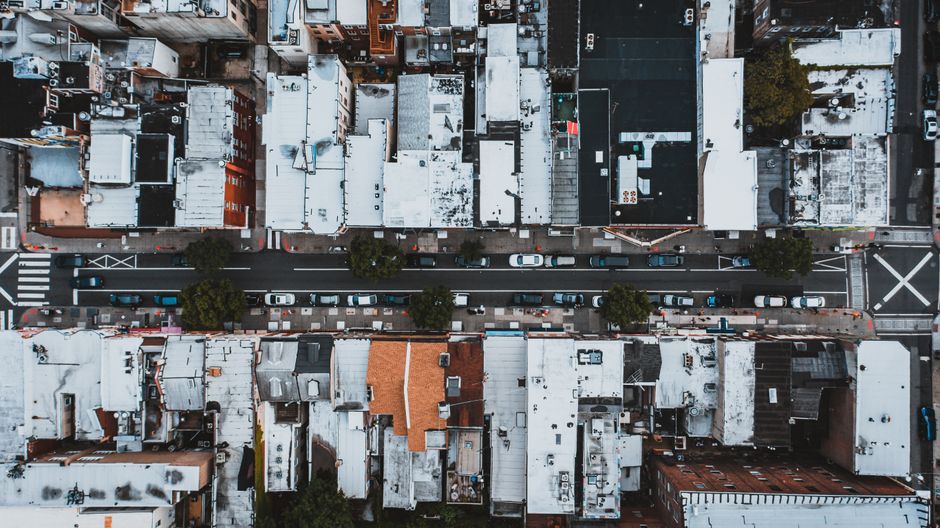
I rolled into Houston expecting the usual suspects—the Museum of Fine Arts, the Space Center, maybe some rooftop bars in Midtown. What I found instead was a city that rewards you for getting lost. Houston sprawls in ways that make a visitor nervous, but that sprawl is exactly what keeps whole neighborhoods quiet and weird and genuinely worth your time.
The thing about Houston is that locals don't gatekeep the good spots so much as they just live in them without broadcasting. A few hours walking through the neighborhoods east of downtown or poking around some older commercial strips will turn up places where people actually spend their weekends, not where the tourism board wants you to spend them. That's where I started digging.
Buffalo Bayou Park's Forgotten Stretches
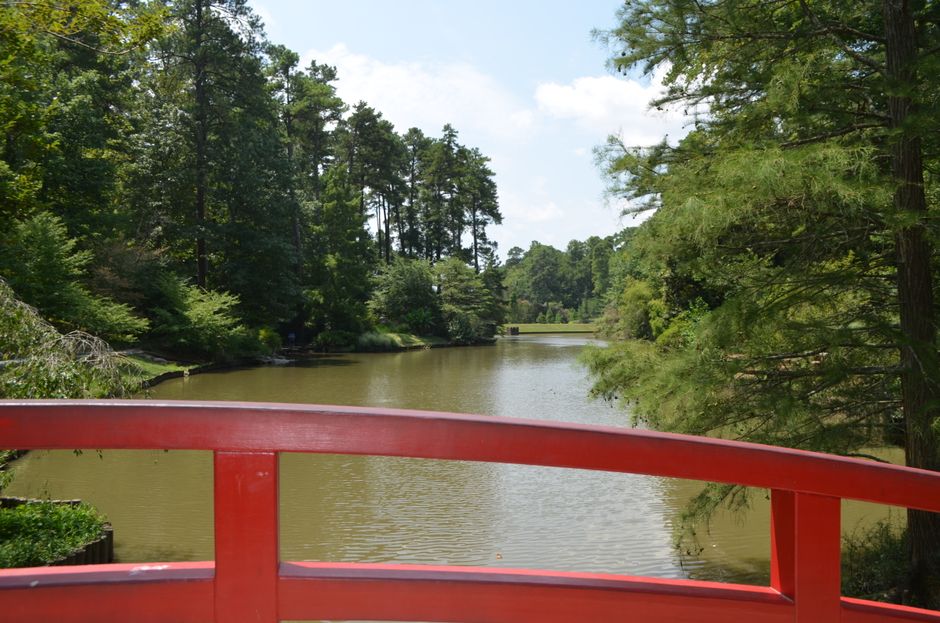
Everyone knows Buffalo Bayou Park exists. Almost nobody outside of neighborhood runners and dog walkers seems to know it actually stretches for miles, and most of those miles are tranquil enough to make you forget you're still in a major city.
The Eleanor Tinsley Park section—named after a Houston legend who fought like hell for green space—is where I kept ending up on weekend mornings. It's the western portion of the bigger park system, and you get a genuine tree canopy, walking trails that don't feel like a Disney queue, and actual water views where people are fishing or just sitting. The hike-and-bike trail runs along the bayou itself, which is less scenic than a river back east but more interesting than you'd expect for an urban waterway. There's a dog park that's legitimately nice, not overcrowded or chaotic. The parking lot is never full the way it is at the downtown museum corridor.
The Orange Show Monument
You will hear about this place exactly zero times from hotel concierges, and that is the entire point. Jeff McKissack spent 25 years building this thing on a vacant lot in the East End—a junkyard-treasure house made of salvaged materials, mosaics, folk-art whimsy, and pure obsession. He died before it was even finished.
It's a three-story folk-art installation that doubles as a museum and a genuinely unsettling experience in the best way. The interior is a maze of ramps, narrow passages, mirrors, and handmade art that feels like stepping into someone's fever dream. The docents are serious collectors of Houston's stranger history. Admission is minimal, and it's the kind of place where you spend an hour feeling like you've actually learned something about a city's soul instead of just consumed some content. The building itself, this orange-painted industrial structure, looks like it was raised from the swamp itself. That's because, spiritually, it was.
Menil Collection and the Neighborhood Around It
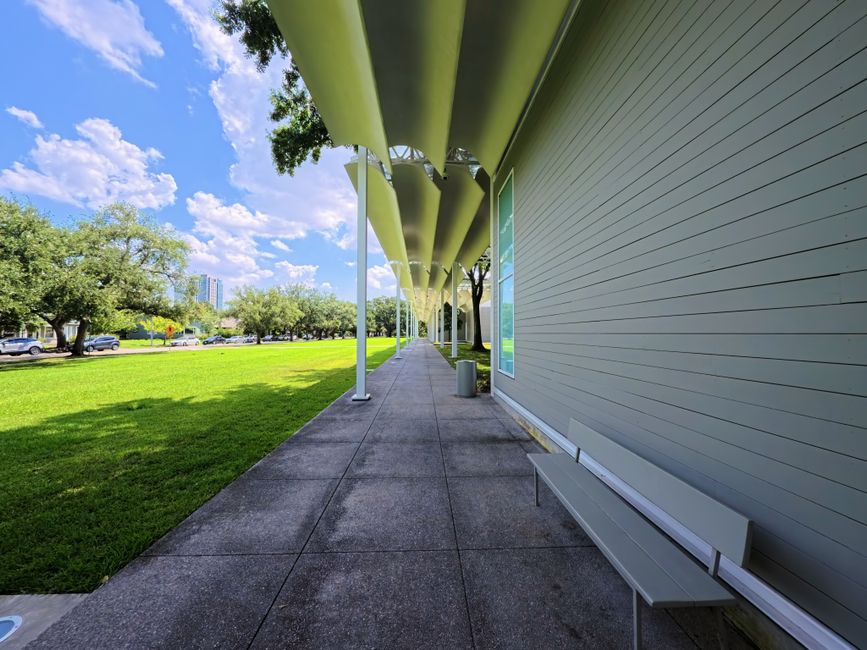
The museum itself isn't exactly hidden—art people know about it. But most tourists don't, which means you can actually move through the galleries without performing for a phone camera. The collection is world-class, free admission, and housed in a building that's worth seeing for its own architecture. The Cy Twombly Gallery next door is separate but related, and it's quieter still.
What really matters is the neighborhood. Montrose bleeding into Neartown is where you find small galleries, used bookstores, vintage shops, and restaurants where Houston residents actually eat instead of places designed to look good in photos. Project Row Houses, a few blocks north, is a working artist community and social-justice space—you can actually walk through it if someone's around, and artists are often in their studios. The whole area feels like it has its own gravity, independent of downtown.
Bayou Bend and Hermann Park's Quiet East Side
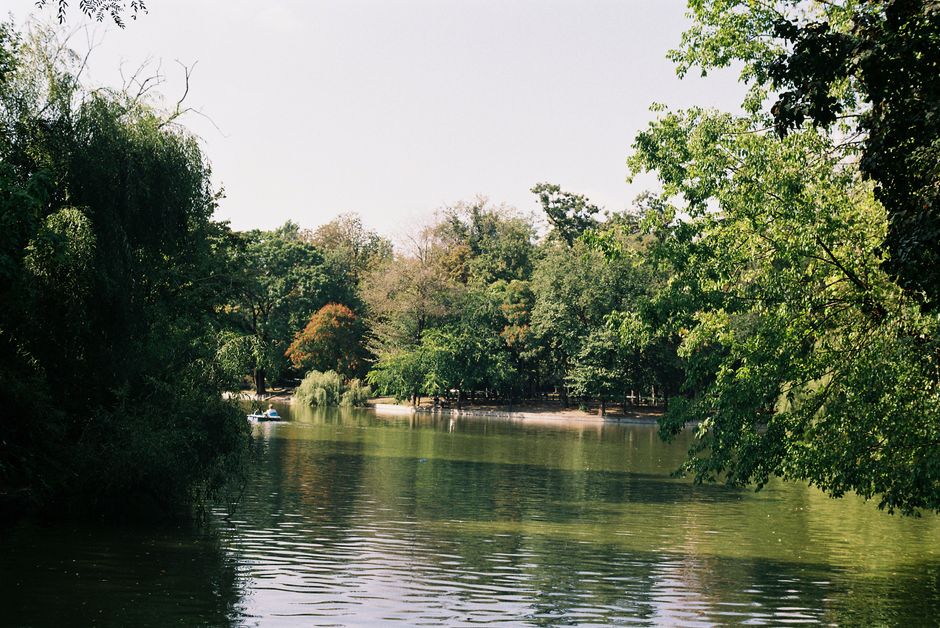
Bayou Bend is the smaller, less-trafficked sibling of the bigger museums. It's a decorative-arts museum inside a 1920s mansion with actual gardens that feel lived-in, not manicured to death. You need a ticket, but it's cheap, and the place moves at a human pace.
Hermann Park itself is massive, and most people stick to the immediate zoo area or the central promenade. But the east side of the park, around the McGovern Centennial Garden and the trail system that winds back toward Brays Bayou, is where you find families from the surrounding neighborhoods—Sunnyside, Greens Bayou—actually using the space. There's a much less polished feel here than the main drag. You see Houston as it actually exists, not as a vacation postcard.
Navigation Station and Off-Houston Street Galleries
Houston's gallery scene isn't hidden, exactly, but it's scattered across the map in ways that discourage casual tourism. Most of the serious commercial galleries cluster around Montrose and further east around the Harrisburg corridor. Navigation Station, a project-space gallery in a converted warehouse structure, sits in a location that feels genuinely frontier-ish if you're driving through at the wrong time of day.
The appeal isn't that the galleries are secret so much that they exist in a city that, on the surface, doesn't feel like it has much of an art scene at all. But the art people here are real, and they're working. You'll walk past a storefront in a strip mall and find serious work inside. The scene is less gatekept than the typical coastal-city version, which means you actually talk to people instead of posing.
The area around Washington Avenue and further east toward the East End warehouse districts is where a lot of this activity clusters. Parking is usually free, there's actual quiet, and you can spend a Saturday afternoon moving through galleries at a reasonable pace without crowds.
Concrete Carvings and Local Food Spots Nobody's Heard Of
This is where local knowledge actually matters. There are excellent Vietnamese restaurants scattered through Midtown and Chinatown where tourists never appear, hole-in-the-wall taco stands that serve the actual neighborhood instead of performing for visitors, and barbecue joints in residential areas that would never make a listicle.
You find these by walking. Pick a neighborhood—Sunnyside, Greenspoint, the areas east of Washington—and just move through it. You'll see what the city actually eats, how people actually live. The food is better and cheaper than whatever's in the downtown entertainment district.
Practicalities for Actually Getting Around
Houston is a driving city, and no amount of wishing changes that. Public transit exists, but it's patchy. If you're without a car, your options shrink. That said, rideshare is cheap enough that you can move between neighborhoods without renting.
The best approach is to pick one neighborhood at a time and actually spend a few hours there. Don't try to hit everything in one day. The payoff for slowing down is that you'll actually notice things—the architecture, the way people use public space, the texture of the place itself. That's where Houston reveals itself.
Frequently Asked Questions
What are the best unknown neighborhoods to visit in Houston?
Montrose, Neartown around the Menil Collection, and the East End warehouse districts offer the most authentic local life and independent galleries, restaurants, and shops. Sunnyside and the areas east of downtown show you how Houston residents actually live rather than how tourists are directed to visit. These neighborhoods take time to explore properly but reward you with real food, genuine art, and far fewer crowds than downtown.
Is Houston worth visiting for art and culture?
Yes, but not in the obvious way. The Museum of Fine Arts and Space Center are solid, but Houston's real cultural life happens in smaller galleries, artist collectives like Project Row Houses, and folk-art sites like the Orange Show Monument. The scene is less packaged than typical major cities, which means you're actually seeing what people here care about rather than what's been cleaned up for tourists.
Where can I walk around in Houston without a car?
Buffalo Bayou Park's trail system is genuinely walkable if you position yourself in the central or western sections. The Montrose and Neartown neighborhoods around the Menil Collection are fairly compact and pedestrian-friendly. Most of Houston is car-dependent, but these two areas offer the closest thing to a real walking experience, especially if you don't mind blocks of 10-15 minutes between destinations.
What are the best cheap or free things to do in Houston?
The Menil Collection has free admission and world-class art. Buffalo Bayou Park is completely free for walking and running. The Orange Show Monument costs under $10. Hermann Park is free to walk around, and some museums have pay-what-you-wish hours. You can spend a full day exploring Houston neighborhoods and galleries without spending much beyond food and transit.
Which spot would you check out first?