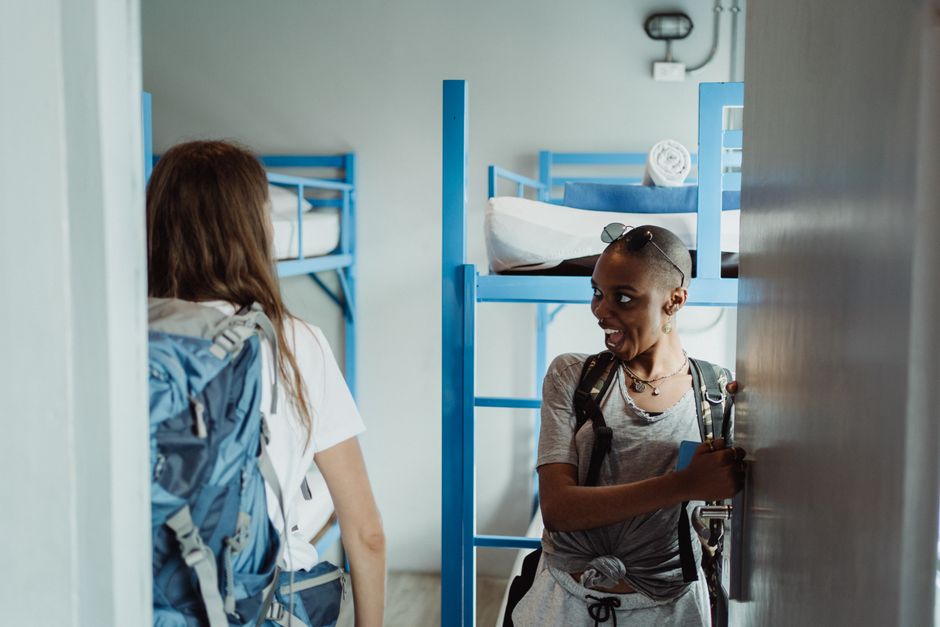
I landed at LaGuardia on a Thursday in October with a worn backpack and a budget that wouldn't survive a week in a midtown hotel. The first thing you learn about New York hostels is that they're not some romantic backpacker paradise—they're functional, often noisy, usually full of people from everywhere else doing exactly what you're doing. But they work. You get a bed, you meet people, you don't spend eighty bucks a night, and you wake up close enough to actually explore instead of spending two hours commuting from some outer-borough Airbnb.
The hostel scene in New York has tightened up since the pandemic. Some places closed, others got pricier, and the inventory is smaller and more selective now. That said, you can still find dorm beds in the $35–$65 range if you book ahead and aren't too picky about which part of Manhattan or Brooklyn you land in. I've stayed in a handful of these places over the years—some were genuinely decent, others felt like sleeping in a hallway. Here's what I found this time around.
HI New York Hostel (Upper West Side)
This is the big one, the hostel you've probably heard of if you've done any research. It sits on the Upper West Side near the Museum of Natural History, which is actually a solid neighborhood to be stuck in—quieter than Times Square, less grimy than around Penn Station, and the subway access is real. Dorm beds run between $50 and $70 depending on the season and how far ahead you book. Private rooms exist but they're not particularly cheap, so unless you're traveling with someone, skip them.
The place is clean enough. Not Pinterest-clean, but you won't find mysterious stains or a plague of bedbugs, which honestly sets a higher bar than you'd think for budget hostels. The common areas are actually useful—there's a lounge, a kitchen if you want to cook, and a vibe that skews younger but not obnoxiously so. The bigger draw is the location. You're three blocks from the subway, close to Central Park, and in a neighborhood where you can walk to decent bagel shops and used bookstores without feeling like you're being actively hunted for your wallet. Drawback: it's busy. Dorm rooms have four to eight beds, and in peak season it feels like it. If you're a light sleeper and didn't bring earplugs, that's on you.
Bowery House (Lower East Side)
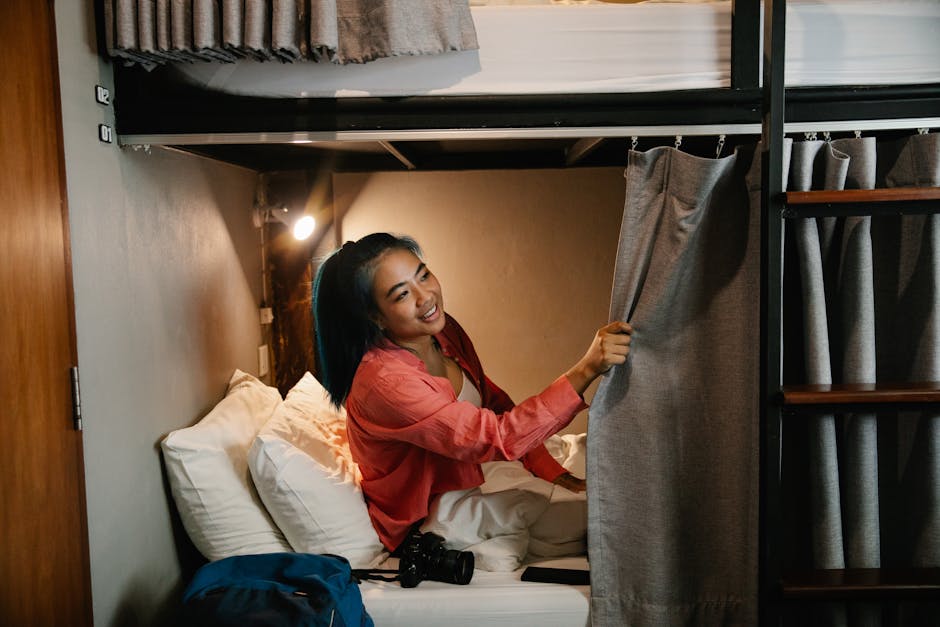
The Bowery isn't what it was twenty years ago, but it's still edgy in a way that feels authentic rather than themed. Bowery House sits in the thick of it, and the vibe inside is more intentional hostel culture than the HI location—people seem to be here for the experience, not just because it's cheaper than a hotel. Dorm beds are in the $40–$55 range, making it one of the more affordable options if you snag an early booking.
It's smaller than HI, which changes the feeling. The dorms aren't cramped, and the common area actually feels like a space where people gather rather than just pass through. I met someone here last year who spent four days in New York and made friends on day one just sitting around. That said, being on the Lower East Side means you're in nightlife central. If you go to bed at nine, you'll hear the bars until well past midnight. If that's your scene, perfect. If you want sleep before one a.m., maybe not. The location itself is fantastic for eating and exploring—this neighborhood has some of the best cheap pizza and ramen joints in the city, and you're walking distance to Chinatown, the East Village, and the FDR Trail if you need to run and think.
Hostelling International Brooklyn (Williamsburg)
Brooklyn's hostel game is smaller than Manhattan's, but HI Brooklyn exists and it's worth knowing about if you're willing to trade centrality for slightly better deals and a genuinely less touristy neighborhood. Williamsburg is gentrified as hell now, but it still has more actual residents and fewer tour groups than most of Manhattan. Dorm beds run $45–$65, sometimes lower if you're flexible on dates.
The hostel itself is solid—good bones, decent kitchen, and the Brooklyn vibe means it attracts more international long-termers than backpackers on a five-day American odyssey. You'll have quieter nights than Manhattan equivalents, which is either a pro or a con depending on whether you want a party or sleep. The subway is close enough, and Williamsburg has actual bars and restaurants where you're not competing with fourteen tour groups for a table. The real consideration: you're adding ten to twenty minutes to any trip into Manhattan proper, but honestly, spending a few days in Brooklyn itself isn't a waste. The neighborhood has museums, waterfront parks, and food that doesn't exist just to be Instagram-friendly.
Budget Motels and Extended-Stay Alternatives
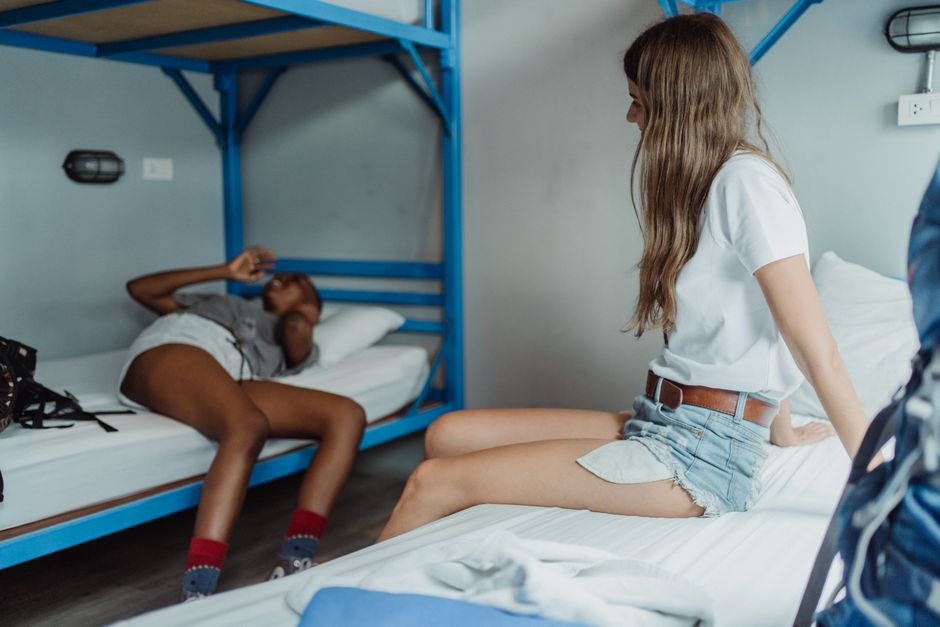
If you're staying more than a few days or just can't stomach a dorm room, the math sometimes works out differently. The Pod Hotels (there are locations in midtown and near Madison Square Garden) sit between hostel and hotel pricing. A private pod—basically a bed in a small compartment with a curtain—runs $60–$90, depending. It's not spacious, but it's private, and some people find that worth the extra cash. They're clean, the concept is straightforward, and you're in actual neighborhoods instead of hostel sprawl.
Williamsburg also has some budget motels that rent nightly, often cheaper than the hostels if you're solo and flexible. These aren't glamorous. They're the kind of place where the neon sign flickers and the walls are thin. But they're legal, they're available, and in off-season you can sometimes negotiate below the listed rate if you're staying three nights or more. I'd never recommend booking these sight-unseen—read recent reviews and check the specific location—but if you want privacy without paying hotel prices, they exist.
Booking Strategy and Timing
Here's what actually matters: book early. Not a week early, but two to four weeks if you can. The difference between a $35 bed booked a month out and a $55 bed booked three days before you arrive is real money over a week-long stay. Weekday rates are almost always lower than weekends. If you have any flexibility in your schedule, arriving on a Tuesday costs less than arriving on Friday.
Use Hostelworld or the hostels' direct websites. Sometimes the direct site has flash deals or longer-stay discounts that don't show up on aggregators. Check the reviews but don't treat them like gospel—people write reviews when they're angry or ecstatic, not when they had a fine, normal experience. A hostel with 4.2 stars and two thousand reviews is probably fine. One with 4.8 stars and forty reviews might be because it's new and good, or because bad reviewers haven't had time to arrive yet.

What You Actually Need to Know Before You Go
Bring your own padlock. Most hostels provide lockers but want you to lock them with your own lock. Bring earplugs. This isn't optional. Bring a sleep mask if light bothers you—some dorm rooms don't have blackout curtains, and your roommates will use their phones at three a.m. Bring shower shoes. Just do it.
Check the hostel's cancellation policy before you book. Some places have strict cancel-by-date policies, and New York's weather can be unpredictable. Know where the nearest subway stop is and whether the hostel is actually as close as the map makes it look—sometimes "ten minutes from the subway" means ten minutes if you power-walk and know where you're going.
Budget hostels are a specific skill. You're trading privacy and quiet for community and affordability. If you've never done it before, you might be surprised by how many people are in the hallway at two a.m. or how echoing a bathroom with twenty people sounds. But that's also where you meet other travelers, hear actual stories instead of hashtags, and spend less money on accommodation so you can spend it on actual New York—the pizza, the museums, the parks, the walks that make you understand why people fight so hard to stay here.