
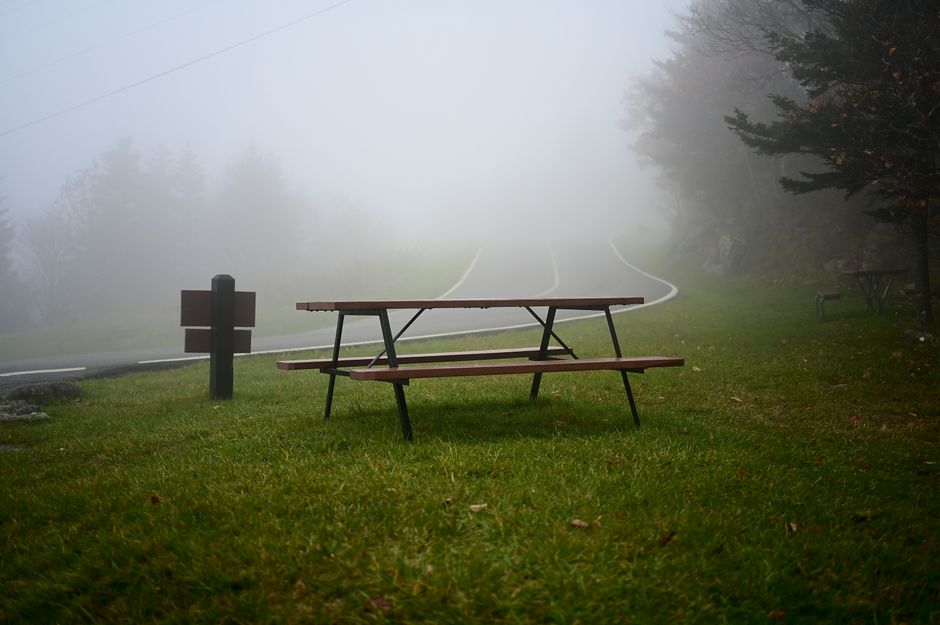
I rolled into Asheville on a Thursday morning after three days of rain, and by afternoon I was already itching to get out. Don't get me wrong—the city's got plenty going for it. But when you're staying longer than a weekend, Asheville becomes less about downtown breweries and more about what's an hour's drive away.
The thing about this region is that you're sitting in the middle of something bigger. The Blue Ridge isn't just pretty views from a parkway. It's a network of small towns, waterfalls, and mountain ridges that pull harder when you're actually in motion. I spent a week based in Asheville and made four day trips out, each one different enough that I didn't feel like I was just repeating the same hike with a different parking lot.
Chimney Rock and Lake Lure (45 minutes southeast)
This is the easiest sell for a half-day trip. Chimney Rock State Park sits right above the lake, and you can be there from downtown Asheville in just under an hour. The main draw is straightforward: hike up to Chimney Rock itself, take the view, come back down. The trail's about 2.5 miles round trip, and most people can do it in 90 minutes without much trouble. The rock formation itself shows up in your photos looking exactly like what everyone said it would.
But here's what made me stay longer than I planned: Lake Lure wraps around the base and the whole area has this 1970s resort-town energy that's oddly appealing if you're not expecting it. There are paddleboards and kayaks for rent, a couple decent restaurants right on the water, and if the weather's holding you can kill an afternoon here without feeling rushed. Spring and early summer are best—the water's warm enough to swim or paddle by June, and the rhododendrons along the trails are actually worth timing a visit around if you go in late May.
Park admission runs you about twelve dollars. Some people skip the park and just walk around the lake town itself, which is free but less scenic.
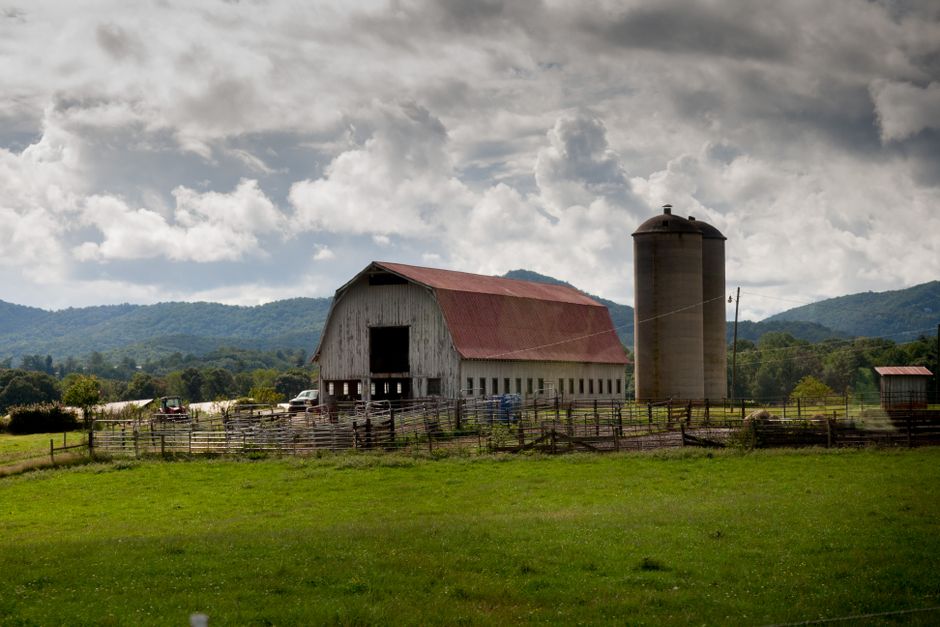
Black Mountain and the Blue Ridge Parkway (30 minutes north)
If you want to stay close and just breathe different air, Black Mountain is that place. It's north of Asheville, a tiny mountain town that hasn't been swallowed by tourist money the way some of these places have. Main Street has a hardware store, a used bookshop, a couple cafes. Real things. Real people who live there.
The drive up is short enough that you can leave midmorning and still have most of a day. The town itself is walkable and low-key. But the real reason to come is access to the Blue Ridge Parkway. The scenic drive isn't the destination—it's just the thing you do while you're out here. Hit a couple overlooks, eat lunch at one of the picnic areas, walk a short trail. Craggy Gardens Trail is close by and offers actual mountain views without much effort. Thirty minutes on the trail, back to the car.
I came here in October and the weather was perfect, but it's honestly fine any time except maybe mid-summer when the crowds are thickest. Fall colors in late September and early October draw people, which means parking gets tight at the overlooks, but the drive itself is less crowded than you'd think even then.
Brevard and Pisgah National Forest (about 1 hour west)
Brevard sits at the edge of Pisgah National Forest, and it's become more of a destination than it used to be—craft breweries, restaurants, outdoor shops. But that's not really why you're going. You're going for Looking Glass Falls, which is a 60-foot waterfall right off Highway 276, a 15-minute walk from a well-maintained parking area. Easy enough that people with kids do it. Stunning enough that you'll actually use the photos.
If you've got more energy, the same road leads to higher trailheads deeper in the forest. Sliding Rock is another popular spot—a natural waterslide in a creek where you can actually swim. It gets crowded on weekends, especially in summer, but if you go on a weekday morning you might have it mostly to yourself.
The town of Brevard itself is worth a couple hours if the weather's nice. Walk around, grab food, hit a brewery if that's your speed. Nothing groundbreaking, but it's a legitimate small town with actual character, not a theme park version of one. Late spring through early fall is ideal—the waterfalls run better after rain, and the creek swimming is actually appealing. Winter is rainy and gray up there, which is fine if you like that, but most people don't time a day trip that way.
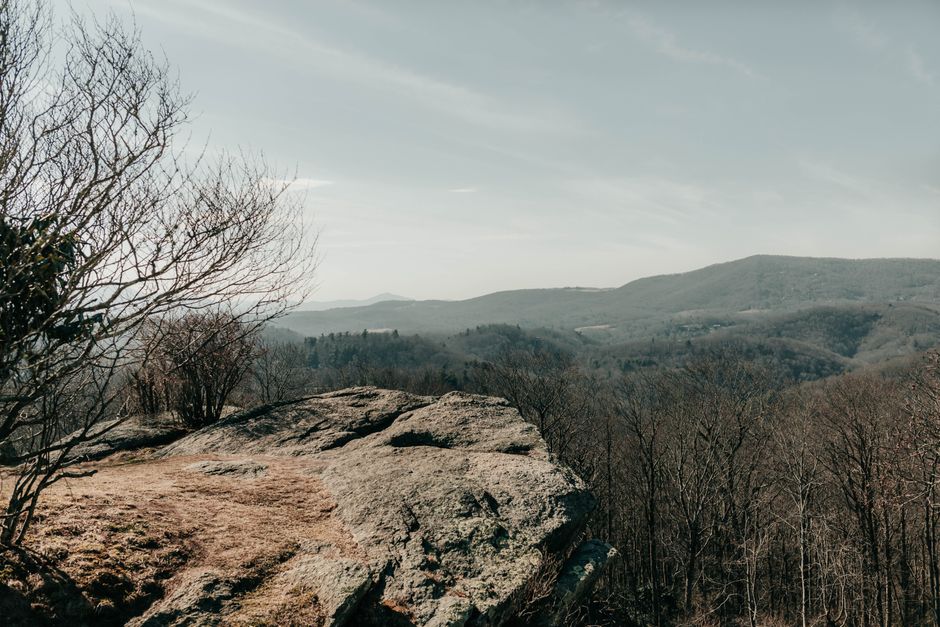
Hendersonville and DuPont State Forest (1 to 1.5 hours south)
Hendersonville is a working agricultural town that happens to be pretty. Lots of farms, farmers markets on weekends, actual apple orchards. It's not styled as a destination like Brevard; it's just a place where people live and work. That's part of why I liked it more than I expected.
The outdoor pull here is DuPont State Forest, which is about 20 minutes from Hendersonville's downtown. Multiple waterfall trails, easy to moderately difficult. High Falls is the most popular and for good reason—it's a real waterfall without much work. Roaring Falls combines a couple cascades on the same hike. The forest is old enough to feel settled, not like some scrubby reclaimed land. You can see why people spend a whole day out there.
Combine this with time in Hendersonville's downtown for lunch and you've got a solid day. The farmers market (Saturday mornings year-round) is legitimately good if you're there at the right time. Spring and fall get the most visitors, but summer is fine if you start early. The waterfalls run year-round, though you want recent rain for anything impressive.
Mars Hill and Bailey Mountain (45 minutes north)
This is the one fewer people do, mostly because it requires a bit more intention. Mars Hill itself is a small college town—Mars Hill University sits right in the middle—and it's the kind of place that feels genuinely separate from Asheville's orbit, even though it's closer.
The appeal here is Bailey Mountain and the Max Patch summit just beyond town. Max Patch itself is technically outside Mars Hill proper (closer to Hot Springs, another small mountain town), but it's the waterfall-hike of the north side—a bald mountain top with 360-degree views that doesn't require technical hiking. The trail to the top is about 4 miles round trip and it stays mostly open, so you get views the whole way rather than hiking through forest and then arriving at a viewpoint.
Mars Hill town itself is quiet. There's a brewery, a couple of restaurants. But it's more of a basecamp than a destination. If you go, you're going for Max Patch or other trails in the area, not for downtown walking. The town exists, and that's fine. Spring is ideal—the wildflowers are out, the temperature is perfect. Summer gets hot up there. Fall is good. Winter happens but it's muddy.
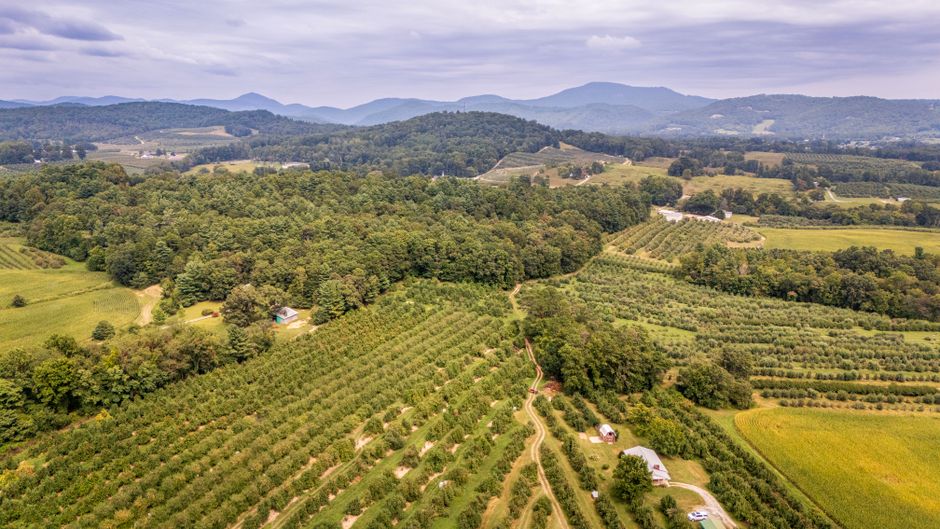
When to Go and How to Plan
The honest answer is that any of these trips is fine any time of year, but timing shapes what you get. Spring means rhododendrons, green everything, occasional rain. Summer means crowds and heat, but reliable weather and green water. Fall is the obvious choice—colors, perfect temperatures, lower humidity. Winter is rainy and quiet; some people plan around that specifically.
Booking: Most of these don't need advance reservations. State park parking fills up on busy weekends, especially fall Saturdays, so if you're going then, arrive early. Trails are first-come, first-served everywhere mentioned here. No parking apps, no timed entry systems. Just show up.
The right trip depends partly on what you're tired of. Tired of Asheville crowds? Go to Mars Hill or Black Mountain. Want waterfalls but don't want to fight for parking? Go on a weekday or go to Pisgah. Want an actual small town with food and shops? Brevard or Hendersonville. Want lake views and water activities? Chimney Rock.
None of these are remote destinations. They're all developed enough that services exist, but local enough that they still feel like places rather than attractions. That balance is what kept pulling me back out of Asheville each morning.



