
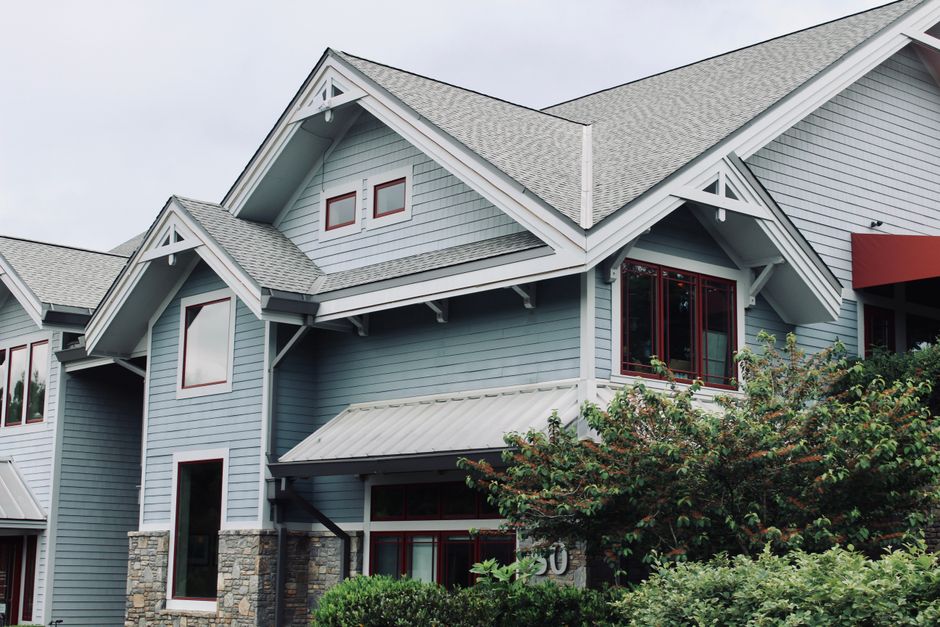
I showed up in Asheville on a drizzly October afternoon with no firm plan, just a vague sense that I needed to figure out if this mountain town actually lived up to its reputation. Within a day, I realized the city's character isn't monolithic—it fragments into genuinely different neighborhoods, each with its own personality, price point, and the kind of people who choose to stay.
Asheville's not huge. You can drive across it in twenty minutes. But zip codes matter here the same way they do anywhere else. Where you land determines whether you're walking to a brewery on a Saturday or hiking straight into the national forest on a Tuesday morning. It determines your neighbors, your commute, and honestly, how much you'll spend on rent.
Downtown: The Tourist Heart and Working Neighborhood
Downtown Asheville is the first place most visitors see, and for good reason. Pack Street, Lexington Avenue, and the parallel blocks around them are dense with galleries, restaurants, and the kind of street life that makes a place feel alive. The Biltmore Estate looms in the architectural memory, but the actual downtown district has moved on—it's younger, messier, more energetic.
Living downtown works best if you're young, employed, and okay with noise. The foot traffic doesn't stop in the evening. Parking is a minor blood sport. Rent is the highest in the city. But if you work remotely or can stumble to an office, you get walkability that most American towns don't offer anymore. The farmer's market, live music at least three nights a week, and galleries you can actually visit without planning are daily facts. For tourists, Downtown is the obvious base—everything is here or a ten-minute walk.
Families can make it work in the residential blocks north of Pack Street, around Broadway and Charlotte. It's still downtown energy, still walkable, but with fewer transient visitors and slightly lower noise after midnight. The schools aren't exceptional, which is why many families move out after a couple of years.

River Arts District: Where the Painters Actually Work
Cross the French Broad River heading west and you're in a different Asheville. The River Arts District is genuinely rough in places—old industrial brick, uneven sidewalks, streets that don't quite make sense. Artists moved here fifteen years ago because rent was cheap. Now it's fashionable, but the working studios remain. You'll see painters actually working, potters, printmakers. This isn't a museum recreation of artistic life; it's the real version.
If you're an artist or creative professional, the proximity to community and cheap(ish) studio space is irreplaceable. If you're not, the neighborhood feels like it's hosting a party you weren't invited to, which can be energizing or alienating depending on your mood. The restaurants are good—uneven, but ambitious. The bars are low-key. Rents are climbing but still cheaper than Downtown. Young professionals and freelancers dominate the resident mix.
Tourists love the day-trip experience: walk through open studios, grab lunch, drive back to their hotel Downtown. But actually living here means tolerating narrow streets, limited parking, and an almost studied indifference to tourism infrastructure. It's messy enough that it hasn't been fully sanitized, which is its main appeal.
Montford: The Quiet Residential Pocket
Head north from downtown on Merrimon Avenue and you'll enter Montford, a neighborhood that feels like it's in a different city. Tree-lined streets, 1920s bungalows, actual yards. The pace slows. You hear birds instead of bars. It's the neighborhood where people retire to Asheville or move when they have kids and stop pretending they want downtown walkability.
Montford suits families most obviously. The schools are better. The streets feel safer for letting kids wander. Yards exist. There's a small commercial strip on Merrimon with a coffee shop, a pizza place, a used-book store—everything you actually need and nothing you don't. You can walk it, but you'll feel like you're the only one. Most people drive within the neighborhood, which tells you everything.
Young professionals live here too, usually because they found an older house cheap enough to renovate as a long-term investment. Retirees choose Montford deliberately for its quietness and proximity to everything that matters (coffee, the grocery store, the mountains). Tourists never come here, which is the point. If you want the Asheville experience without the experience, Montford is where you actually live.
South Slope: The New Professional Class
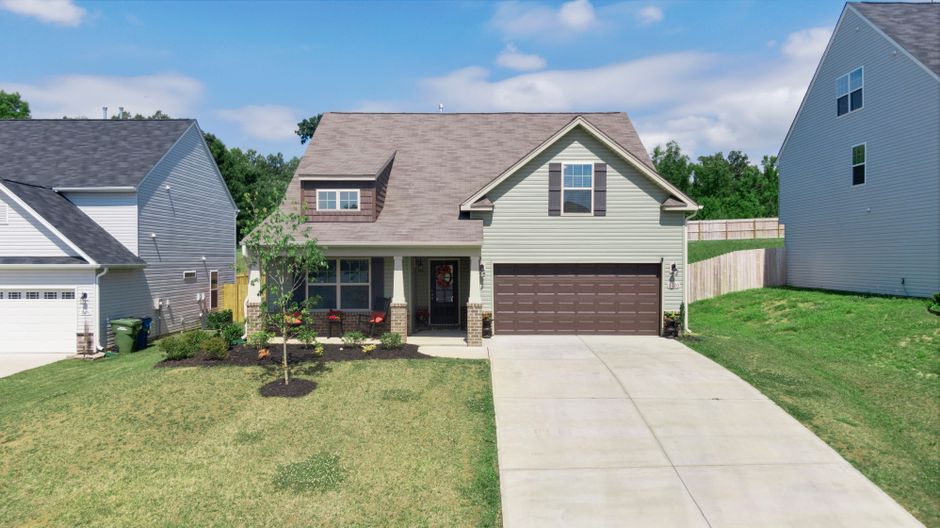
South Slope is what happens when urban planners and developers actually coordinate. It's south of the downtown grid, built on a steep slope (hence the name), and it's the intentional neighborhood—new apartments, mixed-income housing, walkable infrastructure designed from scratch. You can see the blueprint everywhere. The sidewalks are too clean. The timing of the stoplights is obvious.
This is where young professionals work if they work in tech, nonprofits, or the medical industry. It's where people move when they want Asheville's reputation but with conventional infrastructure and no parking anxiety. Rents are moderate—not cheap, not downtown-expensive. The restaurants are chain-adjacent or chef-driven depending on the block. There's a craft brewery, which is mandatory in Asheville zoning law. The neighborhood gets progressively less polished the farther south you go, which is where actual people live.
Families like South Slope because it's designed for families—playgrounds, good schools nearby, low crime rates that matter on paper and (usually) in practice. It's also where you lose neighborhood character most obviously. It could be Raleigh or Charlotte with better mountains visible. That's not a bug if you moved to Asheville for the job and the benefits, not for the culture. Tourists walk through South Slope once and don't return.
West Asheville: The Artists' Second Act
West Asheville sprawls roughly from the Catawba River to Patton Avenue, a neighborhood that's been gentrifying steadily for ten years but hasn't fully crossed the threshold into homogenization. It's grittier than South Slope, more established than River Arts, less expensive than Downtown. The commercial strip along Haywood Road has galleries, thrift stores, quirky restaurants, and tattoo parlors—the usual signals of a neighborhood in transformation.
Young creative types live here and actually afford it. Artists who got priced out of River Arts moved here and built community around better studios and lower rent. The neighborhood has real walkability without the density that exhausts you—you can get coffee, visit a gallery, eat dinner, and not feel like you're shopping. The residential blocks are pleasant without being precious, which gives West Asheville a lived-in quality that newer neighborhoods lack.
It's not ideally suited to families with young kids—the school situation is complicated—but older kids thrive in the environment. Retirees occasionally choose West Asheville if they want walkability with lower prices than Montford. Tourists pass through on the way to something else. The neighborhood's future depends entirely on whether the rising rents stop or whether it becomes another version of Downtown. Right now, it's in that uncertain middle, which is exactly why it's worth paying attention to.
Biltmore Village: The Manicured Option
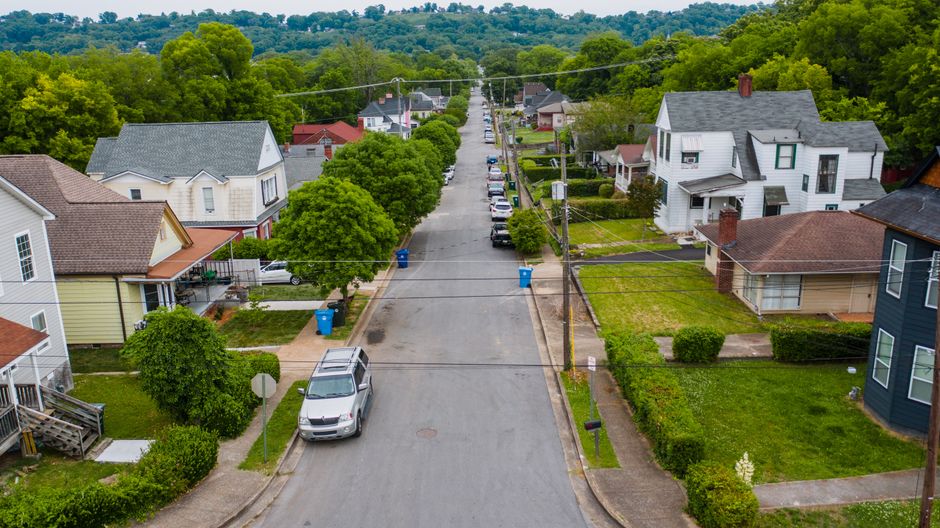
Biltmore Village sits directly beneath the Biltmore Estate's south face, and it looks like it was built as an accessory to the mansion, which it was. Structured, planned, slightly formal. The commercial district has shops, restaurants, and galleries designed for people visiting the estate. The residential area has larger homes, more space, and proximity to something that actually brings tourism to the region.
Retirees and older professionals choose Biltmore Village for the architecture, the maintained grounds, and the sense that everything is organized. Families like it for schools and space. It's expensive—comparable to or higher than Downtown, but for a different quality (actual square footage, actual yards, actual quiet). Young professionals don't typically live here unless they're married with kids or planning to be. Tourists love the pedestrian-scale development and the proximity to the estate itself.
The neighborhood has a slightly formal feel that not everyone wants—it can read as over-developed or as perfectly maintained depending on your baseline expectations. It's safe, walkable, and efficient in a way that feels less spontaneous than other neighborhoods. But if efficiency and safety matter more than edge, Biltmore Village delivers.
Choosing Where You Actually Live
The neighborhoods work differently depending on who you are. If you're visiting, Downtown and Biltmore Village are efficient bases. If you're moving for a job in tech or nonprofits, South Slope makes sense—it's designed for your life. If you work remotely or freelance, River Arts or West Asheville give you community without the premium prices. If you have kids and want schools and quiet, Montford doesn't compete on trendiness, but it delivers on practice.
The mistake is treating Asheville like it has one character. It doesn't. It's a city of distinct neighborhoods that happen to share mountains and rainfall. Visit a few for an afternoon before you commit. Walk the residential blocks. Notice which streets you actually want to return to. That's where you belong.
Frequently Asked Questions
which neighborhood in Asheville is best for families
Montford is the strongest choice for families—it has better schools, quieter streets, actual yards, and a small walkable commercial district. South Slope is also designed for families with good schools and modern amenities, but it's newer and less established. Both neighborhoods are affordable compared to Downtown and have lower traffic volume, making them safer for kids.
is downtown Asheville safe to walk around at night
Downtown Asheville is generally safe, but it's busier and noisier than most American downtowns—bars close late, and street traffic continues into the evening. Use normal city sense (stay on main streets, travel with others if possible). Neighborhoods like Montford and Biltmore Village are statistically quieter, but Downtown itself isn't known for crime problems relative to comparably sized cities.
where should I stay in Asheville if I'm visiting
Downtown is the most practical choice—everything is walkable, and you're near restaurants, galleries, and nightlife. Biltmore Village is a secondary option if you want a quieter, more manicured environment and don't mind being slightly outside the action. River Arts District works if you want to experience Asheville's creative community, though it's less convenient for typical tourist activities.
where is the cheapest place to live in Asheville
West Asheville and the outer reaches of River Arts District have the lowest rents among walkable neighborhoods. Montford is also cheaper than Downtown while maintaining walkability and better schools. South Slope's rents have been climbing, but it's still moderate compared to Downtown. Areas farther from the core are cheaper but require a car.
Which neighborhood catches your eye?



