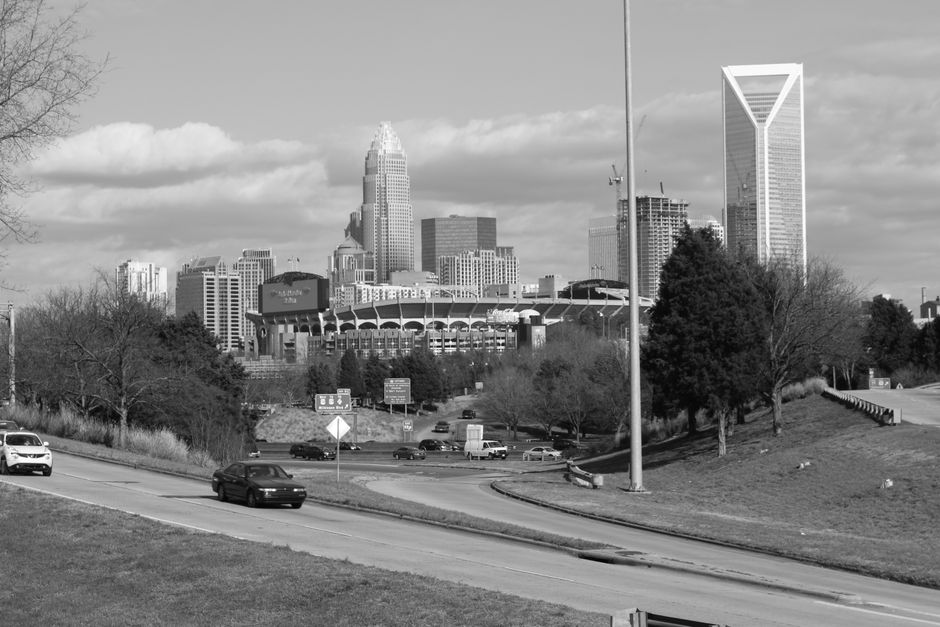
I've spent enough time in Charlotte to know the city works best as a base camp, not a destination in itself. The Uptown area has its charms—good restaurants, a livable downtown feel—but after a couple of days, the itch to leave is real. The good news: you're sitting in a sweet spot. Within a ninety-minute to two-hour drive, you've got mountains, small towns with actual character, and enough outdoor access to keep a restless traveler busy for weeks. I've done most of these runs myself, usually on a whim, sometimes with a half-baked plan.
Unlike day trips from, say, Atlanta or Nashville, these aren't tourist traps pretending to be quaint. They're places people actually live, which means the coffee shops close at reasonable hours and the restaurants don't all serve the same Instagram-friendly plating. The drive times are manageable—nothing requiring an early 5 a.m. departure—and roads are straightforward enough that you won't need a co-pilot.
Asheville: The Mountain Town Everyone Knows About (And Why)
Ninety minutes northwest, Asheville sits in a gap of the Blue Ridge, and yes, it's gotten considerably busier in the past decade. The brewery scene is real—we're talking over thirty taprooms, many of them solid—and it's a legitimate reason to make the drive. But there's enough beyond the beer circuit that you can spend a full day without feeling like you're part of a tourist mill.
Start with the Blue Ridge Parkway if the weather cooperates. You don't need to drive the whole thing; jump on it near Asheville for an hour of genuine mountain scenery, then head back into town. The downtown art district around South Slope is walkable, with galleries, vintage shops, and a weirdness quotient that's higher than most mountain towns. Eat lunch at one of the farm-to-table places on Lexington Avenue—this is where Asheville's food scene actually delivers.
If you want structure, the Biltmore Estate is there, though it's pricey and crowded. I'd skip it unless you're genuinely into Gilded Age architecture. Instead, hike to Looking Glass Falls or Catawba Falls—both short, accessible trails with payoff. Fall is predictably perfect; spring is muddy but green. Summer gets packed with tourists. Winter is quieter and moody, which has its own appeal.

Chimney Rock and Lake Lure: A Geologic Oddity Worth the Drive
Forty-five minutes southeast, you hit a different kind of North Carolina entirely. Chimney Rock itself is a 315-foot granite monolith sticking straight up out of the earth, and the state park around it is well-maintained without feeling corporate. The main draw is hiking: you can climb to the top of the rock itself (it's steep and chains are involved), or take easier trails around the lake below.
Lake Lure is the town at the base, small and Southern in the way Charlotte isn't anymore. The lake itself, created by a dam in the 1920s, is clear and pretty, and there's a lakeside restaurant or two where you can sit outside and actually hear yourself think. If you're into kayaking, rentals are easy to find. The whole vibe is low-key—not Instagram-famous like Asheville, which is part of its charm.
Best in late spring through early fall, when the park is fully open and weather is dependable. The drive is scenic without requiring white-knuckle navigation, and parking at the park is straightforward. Bring water—the hike up the rock is short but steep, and the sun exposure is real.
Greensboro and the Guilford Courthouse: History That Matters
About ninety minutes north, Greensboro often gets overlooked by Charlotte visitors who head west toward the mountains instead. It's worth a reconsideration. The city has more of a real-place feel than Charlotte in some ways—a smaller, unpretentious downtown with better walkability and a serious craft beer and food culture that doesn't feel engineered.
The Guilford Courthouse National Military Park sits just outside the city proper. It's the site of a pivotal 1781 Revolutionary War battle, and the park is genuinely well-done: wooded trails, period cannon, interpretive signs that don't condescend. You can walk it in an hour or two. Inside the city, the Weatherspoon Art Museum is free and has a solid contemporary collection. Downtown has breweries (Greensboro Brewing Company is long-established and honest), restaurants worth sitting down for, and the kind of indie bookstores and coffee shops that suggest a functioning local culture.
Late spring and fall are ideal. Winter can be grey. Summer is muggy, which is less forgiving in a city than in the mountains. The drive up I-85 is monotonous but harmless, and parking downtown is easy.
Hanging Rock State Park: Lesser-Known Hiking and Swimming
An hour and change northwest, Hanging Rock is a state park that feels under-visited compared to similar destinations elsewhere. It's in Stokes County, a part of North Carolina most Charlotte people won't have driven through, which is part of why it stays relatively quiet. The main feature is a two-hundred-foot quartzite cliff face, and the hike to it is scenic without being brutal.
There's a swimming hole (quarry lake) that's cold even in summer but refreshing, and in the park proper, you can do a handful of loops ranging from easy to moderate. The visitor center has maps and information without any of the upsell energy you get at busier attractions. It's a place to actually be in nature rather than to photograph it. Bring your own snacks—there's no food service in the park itself, which is honest and keeps it mellow.
Spring through early fall is best for swimming and hiking. Summer heat is serious at the higher elevations. The drive is straightforward, mostly on US-52 north. If you're combining it with Greensboro, you could make a long day of both, though they're in opposite directions from Charlotte, so that's inefficient.
South Carolina Wine Country (Around Tryon): Underrated and Close
South of Charlotte by about an hour, the small town of Tryon sits in Polk County, a region that's been quietly developing a winery and agritourism presence without turning into Napa-lite. Several vineyards operate in the surrounding hills—smaller operations that don't charge parking fees and often have owners who will actually talk to you about what they're doing.
Traditionally, the area was known for equestrian events (the International Horse Park is there), but the wine operations have added another dimension. You can hit two or three vineyards in a day without rushing, sit on patios with real views of the rolling country, and eat at local restaurants in Tryon town itself that serve decent food without pretension. The landscape is rolling rather than mountainous, which gives it a different feel from the Blue Ridge trips.
Late summer into fall is peak—grape season, pleasant weather, and vineyards are in full operation. Spring is green but can be wet. The drive is straightforward and mellow, mostly on US-176 south. It's not as obviously scenic as other options on this list, but if you're in a mood for wine and conversation rather than major hiking, it hits different. Be responsible about driving; these back roads are real back roads.
The Logistics and Reality Check
All of these drives are manageable without an early start. Leave around 9 or 10 a.m., spend five or six hours at your destination, and you're back in Charlotte by evening. If you're combining two on the same day—say, Chimney Rock and Asheville—you're looking at more driving and less time in each place, but it's doable.
Gas prices matter if you're making these runs regularly. Most of these destinations are cheaper than Charlotte for food and activities, so budget-wise, you're often ahead. Weather can change fast, especially in the mountains, so check conditions before committing.
The real takeaway: Charlotte is a fine place to sleep and eat, but it's a better home base. Use it that way. These trips are all close enough that you can decide in the morning and leave by mid-morning. That flexibility is worth more than another afternoon downtown.