I arrived in Charlotte on a Thursday afternoon expecting the usual sprawl—glass towers, chain restaurants, the polite anonymity of a mid-size Southern city trying to feel bigger than it is. What I didn't expect was how quickly I'd ditch the Uptown corridor and end up in neighborhoods where locals actually seemed to live. Spend enough time walking in the wrong direction and you stop being a tourist.
Most people stick to the obvious: the Mint Museum, Améa's downtown, maybe South End if they're feeling adventurous. But Charlotte rewards wandering. The city has a habit of hiding interesting things in plain sight—old brick buildings that house something you wouldn't find in a guide book, parks that exist in the gaps between highways, small museums run by people who actually care.
Reedy Creek Park and the Quiet Side of Nature
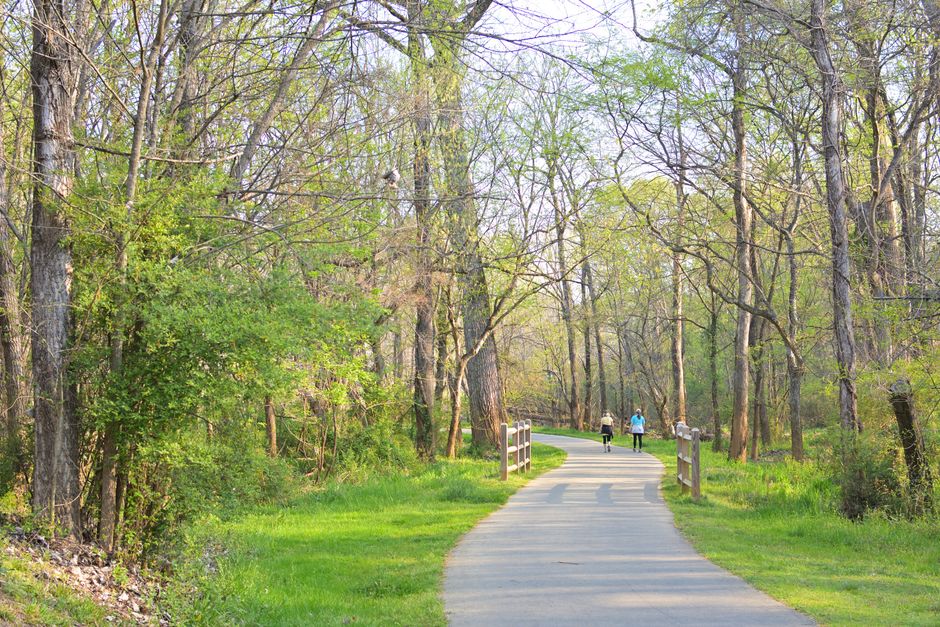
There's a reason you don't see Reedy Creek plastered across Instagram. It's not dramatic. No overlooks, no waterfall money shots. Just woods, a creek that actually runs, and a network of trails that get maybe a fraction of the traffic you'd find at other Charlotte parks. It's in North Charlotte, not fancy, not branded as a "destination."
I went on a Saturday morning and saw maybe three other people. The main trail follows the creek for a couple miles through actual forest—oak, tulip poplar, the kind of landscape that would've covered this whole area before the city. There's something restorative about walking somewhere that doesn't feel optimized for your experience. You can sit on a bench overlooking the water and actually hear it instead of car noise. The parking is small and unremarkable, which is probably why it stays quiet. No visitor center, no concession stand, no sense that you're being funneled through someone's idea of nature.

The Hezekiah Alexander Homesite: Actual Local History
Most cities have a colonial-era house museum that feels like a obligation. The Hezekiah Alexander Homesite isn't trying to be a big production. It's a 1774 stone house in a corner of the city that doesn't broadcast itself—you have to know where to look or stumble on it by accident, which is how I found it.
The site sits on what's left of a property that once sprawled across acres. Now it's tucked into a neighborhood with houses on either side, and there's a small museum building where you can actually talk to staff who know the deep weeds of Charlotte's early settlement. The house itself is bare-bones authentic—no velvet ropes, no theatrical interpretation. You're allowed to move through it like a regular person. The surrounding grounds have a kitchen garden and some outbuildings. It's the kind of place that teaches you something because nobody's performing history at you. It's free, mostly funded by donations, and it runs on the assumption that people who come are already interested.
South Mint Street's Overlooked Stretch
Most visitors to Charlotte's Mint Museum park downtown and drive. I walked from South End toward the museum and discovered the three-block stretch of South Mint between Stonewall and East 7th that feels like a different city entirely. Old warehouses, a few galleries, some small manufacturing remnants converted to studios. It's not polished South End gentrification; it's the grimy part that came first.
There are a couple small shops and cafes doing actual business here, not theme-park versions of retail. I ducked into a used bookstore that's been there longer than anyone expected these places to survive, grabbed coffee from a place that doesn't take Instagram seriously, and watched the Saturday morning light hit the old brick. This is the Charlotte that doesn't show up in promotional videos—functional, a little rough-edged, human-scaled. The Mint Museum itself is worth visiting, but the walk to get there is half the experience if you're not rushing.
Levine Museum of the New South: The Depth You Won't Find Elsewhere
Charlotte's not typically known as a history destination, but the Levine sits downtown in a building most people walk past without registering. It's one of the few museums in the Southeast that actually digs into what the "New South" narrative means—and it does it without the mythmaking. The exhibits change, which means locals have reasons to go back.
When I visited, the focus was on resilience and displacement, which is Charlotte-specific but honestly confronted rather than softened. The museum doesn't pretend the city's growth was simple or universally beneficial. There are oral histories, documents, photographs that ground the story in actual lives. The admission is reasonable, and it's not crowded in the way that makes you feel like you're part of a cattle herd. Staff seem genuinely engaged, not just reading a script. It's the kind of place where you spend longer than you expected and leave with a more textured understanding of where you actually are.
Freedom Park Beyond the Playground
Everyone knows Freedom Park exists—it shows up in searches for "parks in Charlotte." What most people don't realize is that it's actually a working ecological site, not just a recreation destination. There's a botanical garden, wetlands that you can walk through on actual boardwalks, lakes with non-decorative purposes. The park sprawls across a lot of acreage, and most tourists hit the visible parts and move on.
I went on a weekday afternoon and spent an hour on the wetland trail. It's educational in a gentle way—signs identify plants and describe why the habitat matters, but they're not intrusive. You can actually see what Charlotte's environment looks like when it's being treated as something beyond just scenery. The park has sections that feel genuinely wild in the way that matters—areas that are managed but not manicured. If you're not local and you go, plan to stay longer than you think. The park rewards slow exploration.

Neighborhood Walks: Elizabeth and Dilworth
Drive through Charlotte and you see new mixed-use developments and highway interchanges. Walk through Elizabeth and Dilworth, two residential neighborhoods just south of Uptown, and you understand how the city actually developed. Both are historic, both have architecture that ranges from Victorian to early twentieth-century craftsman, and both feel lived-in rather than curated.
I walked Elizabeth on a Saturday without a particular destination, just following streets that looked interesting. There are corner coffee shops and small restaurants that cater to people who live there, not a rotation of tourists. The storefronts are mixed—some vacancies, some long-term businesses, some new additions that feel organic rather than planted. Dilworth has a slightly more polished version of the same thing. Neither neighborhood is a secret anymore, but they're not treated as tourist destinations either. You're allowed to just be a person walking around, not a visitor consuming an experience. That distinction matters more than it should.
What I Learned Before I Left
I spent five days in Charlotte and didn't set foot in most of the places the city wants to promote. I learned that the best parts of a place usually exist because nobody decided they needed to be attractions. They're just neighborhoods and parks and small institutions that serve the people who live nearby, and tourists who show up are welcomed as an afterthought, not engineered into the experience.
Charlotte's tourist infrastructure exists, and it's fine. But the city's actual character is somewhere else—in the blocks between promoted destinations, in parks that don't have visitor centers, in museums run by people who care more about accuracy than attendance numbers. If you're willing to get slightly lost and ask questions at coffee shops, you'll find it. You won't Instagram it, but you'll remember it.