
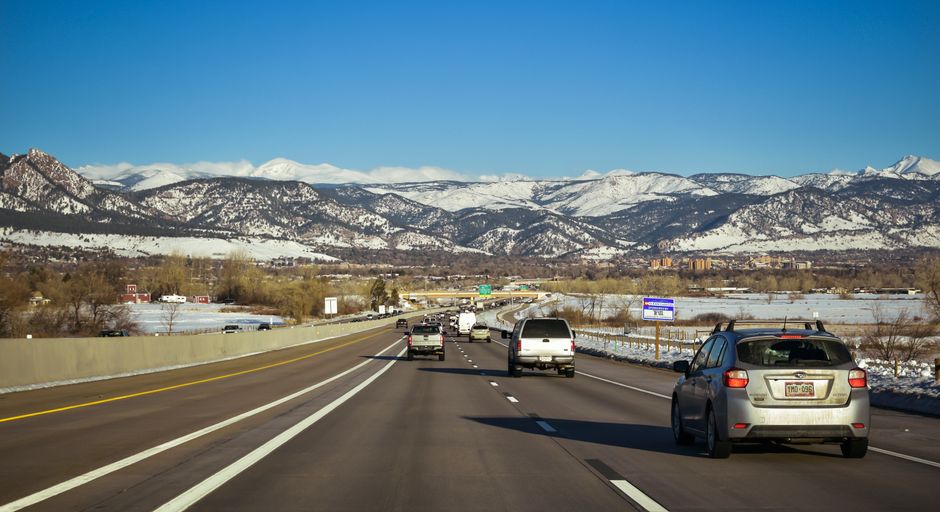
I showed up in Denver on a Friday afternoon with that familiar restlessness that hits after a few days in any city—even a good one. The downtown core had been fine. But I kept hearing the same thing from locals: you've got to get out. The mountains aren't a day trip; they're a lifestyle. So I started making the drive west, and by Saturday morning I understood what they meant. Within 90 minutes you can be somewhere entirely different. Not just different elevation different, but different-world different.
What follows are the day trips I actually did, the ones that made sense for a solo traveler with a car and a loose Saturday or Sunday. Some are well-known. Some aren't. All of them beat sitting in an urban coffee shop wondering if you should've picked a different city.
Idaho Springs and the Scenic Byway (50 minutes west)
Idaho Springs is the kind of place that works whether you're into hiking or just driving around feeling like you've stumbled onto something. It's a former mining town—the kind with Victorian storefronts and that slightly worn authenticity that doesn't feel performed. I-70 west drops you right into the main drag, and there's genuine stuff to do without any pretense.
Start with the hiking. Mount Evans Scenic Byway leaves from here and climbs to 14,130 feet—you can drive most of it, which matters if the altitude is getting to you. The actual peak is walkable, and the views are the kind that make you understand why people move to Colorado. If you're not a driver (or your car isn't great at altitude), there are solid day hikes around the town itself. Indian Hot Springs is right there if you want to soak in a pool that's been heated naturally since the gold rush.
The town has breweries, a few decent lunch spots, and the kind of kitschy attractions (like a mine tour) that are actually worth your time if you're killing an afternoon. Late spring through early fall is best—summer crowds can be heavy by midday. Winter road conditions on the byway make it unreliable, and spring snowmelt can cause washouts.

Boulder (45 minutes north)
Boulder gets a reputation for being overpriced and full of people who moved there for the yoga and never left. There's truth to that. But it's also a functional day trip from Denver, especially if you go on a weekday when the Pearl Street Mall isn't a wall-to-wall crush.
Flatirons is the obvious hike—iconic, visible from town, about 90 minutes round trip if you're not stopping to photograph everything. The trail is well-maintained and steep in the way that makes you feel like you're working. Chautauqua Park is adjacent and offers gentler walks if that's more your speed. On a clear day the views back toward Denver are reason enough to make the drive.
For food, avoid the tourist trap restaurants on Pearl Street and eat where locals actually go—there are solid breweries and casual spots in the neighborhoods east of the main drag. The Boulder Museum of Contemporary Art is solid if weather's bad. Biking around town is huge here if you brought a bike or want to rent one. Spring and fall are perfect. Summers are crowded and hot (by mountain standards). Winters are fine if you don't mind snow.
Georgetown Loop and Guanella Pass (1 hour west)
I knew Georgetown had a mining history before I went, but I wasn't expecting it to feel quite this preserved. It's small—walkable in an afternoon—but it's the real thing. The entire downtown district is a National Historic Landmark, which sounds formal but actually means the place hasn't been replaced with condos and smoothie bars.
The Georgetown Loop Historic Mining & Railroad offers train rides through the South Fork Canyon if you're into that kind of thing. I'm not usually, but it was less touristy than I expected. The real draw is walking around, poking into the old buildings, maybe eating at one of the handful of restaurants that don't suck. There's an alpine garden if you need a break from history. The drive itself—US-6 and Guanella Pass on the way back—is worth the trip alone. The pass road is unpaved higher up but passable in most seasons; it climbs to 11,600 feet and drops you between two fourteeners.
Late May through September is the window. The pass can close in winter, and early season can mean washboard roads. Weekday mornings are quieter than weekend afternoons.

Rocky Mountain National Park via Estes Park (1.5 hours northwest)
This is the obvious choice, so I'm mentioning it last. Yes, it's crowded. Yes, everyone knows about it. And yes, if you only have one day trip to make from Denver, this is probably it. The drive up to Estes Park takes you through gradually changing landscape—plains to foothills to real mountains—and the park entrance is another 15 minutes beyond town.
Bear Lake Trail is popular for a reason: it's accessible (4 miles round trip, easy), scenic, and doesn't require scrambling to feel like you've actually been hiking. If you want something longer, Emerald Lake (3 miles, moderate) puts you on real alpine water. Dream Lake is another option. The Trail Ridge Road cuts north-south through the park at over 12,000 feet and offers stops with genuinely wild views. Traffic can be maddening in July and August, especially midday. I'd recommend going early—really early, like before 8 a.m.—or on a shoulder-season weekday.
The park is open year-round, but Trail Ridge Road closes in winter (usually late October through Memorial Day). Late May through September is peak, which means peak crowds. September is actually best: fewer people, cooler temps, and the aspens starting to turn. Bring a jacket regardless; the weather changes fast up there.
Red Rocks and Evergreen (45 minutes west)
Red Rocks Park is owned by Denver but feels like a secret if you're not going for a concert. The Visitor Center is modern and actually worth a stop—the geology explanation makes sense of what you're looking at. There are hiking trails through the formations, nothing intense, just good walking through red stone and scrub oak. Trading Post Trail and Beaver Brook Trail are both solid. The park is open sunrise to sunset and it's free to walk around.
Evergreen itself is a small mountain town that works as an afternoon extension: there's a lake (Echo Lake), a few shops, and it's the kind of place that looks even better in fall when the aspen are turning. The drive from Red Rocks to Evergreen is pretty, following roads that wind up through lodgepole pines. Stop at one of the various scenic overlooks along the way.
This is better in spring and fall. Summer means heat and crowds at Red Rocks if there's a concert happening. Winter can be muddy. Early morning is best any time of year.
The Logistics You Actually Need
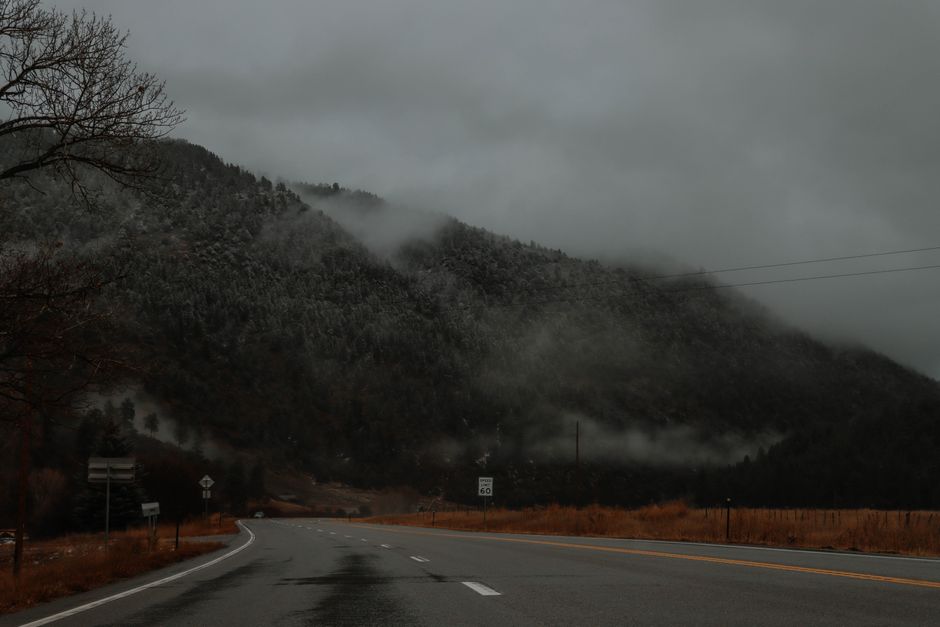
Rent a car if you don't have one. Most of these places are doable on public transit in theory but miserable in practice. Gas up in Denver—mountain towns have limited stations and they're more expensive. Weather changes fast at altitude. Even on a 75-degree day in Denver, bring a jacket and water. Seriously: the altitude hits different and you dehydrate without noticing.
Start early. Most of these drives feel better before 10 a.m., and you'll beat both crowds and afternoon thunderstorms (which are common in summer). Phone reception is spotty in some areas, so download maps offline. The scenery is good, but don't get distracted driving—these roads can be narrow and winding. Trailheads fill up on weekends in summer; if you're going on a weekend, aim for weekday departure times or very early morning starts.
Plan for at least 6-8 hours total if you're doing a full day trip. That's drive time, walking around, eating, and driving back. More if you're actually hiking. Less if you're just driving the scenic routes and stopping for photos. These trips work best if you're flexible about timing—leave when you feel like it, stay as long as something feels interesting, then head back. That's the whole point of getting out of the city in the first place.