I arrived in Denver on a Thursday afternoon with no particular plan, just a bag and a vague sense that the city's reputation for outdoorsy, young-professional energy might actually be worth the hype. What I found was more fragmented than I expected—less "Denver" as a unified place and more a collection of distinct neighborhoods, each with its own unspoken rules and crowds. After a week of moving between districts, staying in different corners, eating where locals actually eat, I realized the biggest mistake a visitor or new resident can make is assuming Denver is one thing. It isn't. Your experience here depends almost entirely on where you plant yourself.
The good news: that diversity is exactly what makes the city interesting. Whether you're chasing nightlife, seeking a quiet porch to watch the mountains, raising kids, or looking for a neighborhood that feels like a small town but isn't, Denver has a neighborhood built for that. Here's what I learned about where to actually spend your time.
LoDo: Tourists and Young Professionals Looking for Walkability
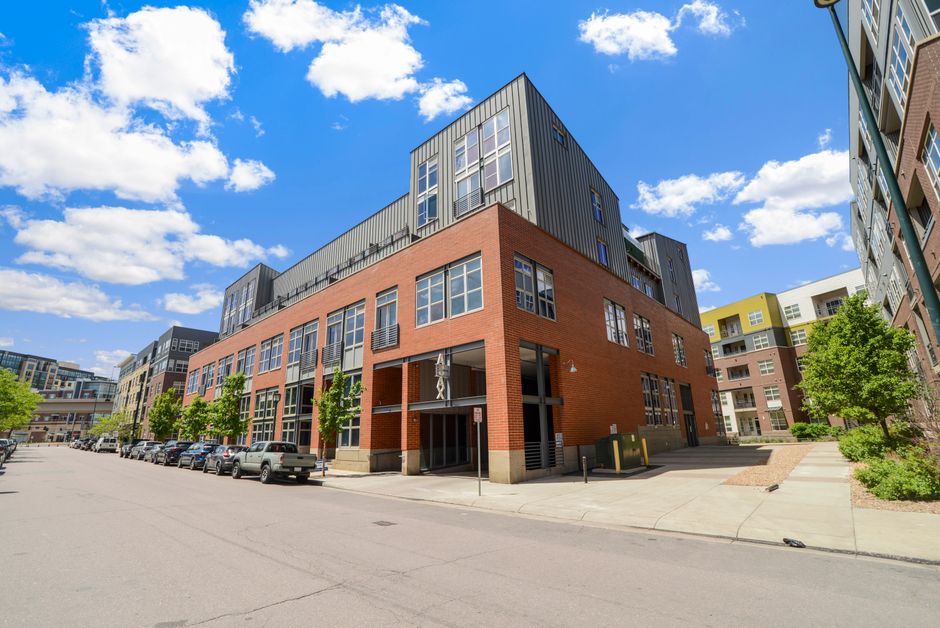
Lower Downtown—everyone calls it LoDo—is where most first-time visitors end up, and honestly, there's a reason. The brick warehouses, the breweries every five feet, the proximity to Union Station and the Platte River Path: it all works. This neighborhood is aggressively pedestrian-friendly. You can walk from dinner to a brewery to a concert venue without breaking a sweat or crossing a highway.
That said, LoDo trades authenticity for convenience. It's been aggressively gentrified and renovated, which means it looks great, the restaurants are reliably good, but it also feels a bit designed. Every corner looks like someone's Pinterest board. For solo travelers or couples new to the city, it's a solid landing pad—you'll have access to events, restaurants, and nightlife. For young professionals? It's pricey and crowded, though if you can afford it and want to be in the middle of everything, the walkability and bar scene make it attractive. Just understand you're paying a premium for convenience and you're surrounded by other people who made the same calculation.
The neighborhood also empties out on weekday mornings. Office workers disappear, and it becomes a bit hollow until evening. Stay here if you're spending a few nights and want easy access to activities. Don't stay here long-term if you're looking for anything resembling neighborhood character.
Capitol Hill: Artists, Renters, and Anyone Who Wants Personality
Capitol Hill is the Denver neighborhood that still feels like it has stakes. It's where you'll find the most actual human diversity—people of different ages, backgrounds, incomes living in the same blocks. The architecture is eclectic: Victorian homes, apartment buildings from the 1920s, newer condos trying to blend in with middling success. Independent record stores, vintage shops, dive bars that haven't been "curated," cheap Thai spots next to expensive cocktail bars.
This is where young professionals in creative fields tend to land if they actually want a neighborhood instead of just an address. Renters come here because it's still cheaper than LoDo and you can find genuinely interesting places to live. Artists, musicians, and people generally suspicious of gentrification tend to cluster here. It's also where a lot of Denver's LGBTQ+ community has historically centered itself, particularly around East 13th Avenue and South Broadway.
The trade-off: it's grittier. Homelessness is visible, crime is slightly higher than in wealthier neighborhoods, and you might hear noise late into the night. The streets aren't as immediately walkable as LoDo because they're less aggressively developed, though that's partly the point. If you're someone who values authenticity and human messiness over polish, Cap Hill is worth a long look. Families with young kids might find it less appealing, though plenty of families actually live here and seem fine. You just need to be okay with urban realities.
Cherry Creek: Affluent, Shopping-Focused, for Families and Serious Retirees
Cherry Creek is what Denver looks like when money decides where things should be. Upscale shopping district, high-end restaurants, carefully maintained parks, and residential blocks filled with renovated homes and new construction that costs serious money. The Cherry Creek Shopping Center is genuinely nice if you're into that sort of thing, and the neighborhood's tree-lined streets are among Denver's prettiest.
This is where established families with kids tend to land. The schools are solid, the parks are well-maintained, and there's an actual sense of stability. Retirees who want urban proximity without the grit often end up here too. You'll find boutique fitness studios, salad places, high-end dental offices. The neighborhood feels safe and organized, which appeals to people who've already accumulated enough and want their surroundings to match.
The downside is that it's expensive and can feel a bit sterile. There's less spontaneity, less weird energy. If you're someone who gets energized by unexpected encounters or artistic chaos, Cherry Creek might bore you. But if you want to raise kids in a nice neighborhood with good amenities and don't mind paying for it, this is a legitimate choice. Just know that moving here is a statement about what you value.
Washington Park Neighborhood: Families, Older Residents, Stability
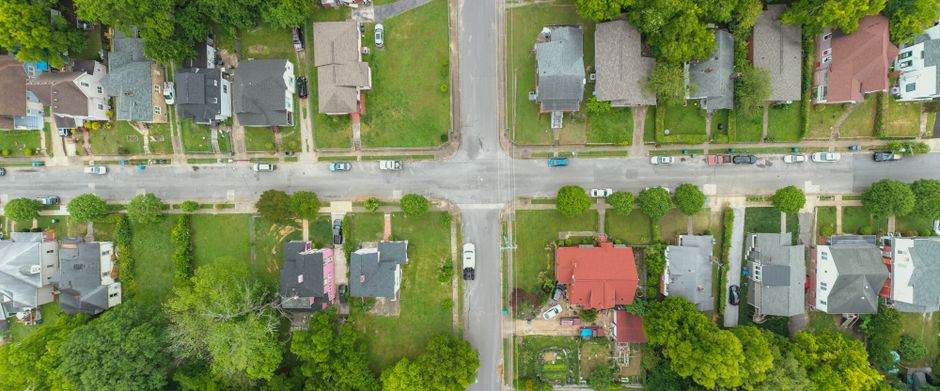
Washington Park—the neighborhood surrounding the massive park of the same name—is Denver's version of a small city's nice side of town. Tree-covered blocks, mostly single-family homes, kids on bikes, people walking dogs. The park itself is genuinely beautiful and well-used. There are good schools, local coffee shops, restaurants that have been around for a while, a farmers market on weekends.
This neighborhood appeals to families who want Denver but not too much Denver. It's slightly less intense than Cap Hill, more grounded than LoDo, less aggressively wealthy than Cherry Creek. A lot of people who've been in Denver for 15-20 years end up here. Retirees who still want walkable access to urban amenities choose it. It's stable, which can feel boring or can feel like a relief depending on what you're looking for.
The neighborhood is pricier than you'd expect given that it's not a "happening" nightlife zone, but that's partly the point—you're paying for a quiet, maintained space. If you're visiting Denver, you probably don't need to stay here unless you have friends in the neighborhood. If you're moving here permanently and you have a family or want calm, it's worth serious consideration.
RiNo and the North Santa Fe Area: Young Creatives, Cheap Rents, Grit
RiNo (River North) is still in the process of figuring out what it wants to be, and that's actually its most interesting quality. It's the neighborhood where artists moved when Cap Hill got too expensive. Murals and street art cover entire blocks. Old warehouses have become live-work spaces and galleries. The rents are still lower than central Denver neighborhoods, though they're climbing fast. You'll find craft breweries that feel less polished than LoDo ones, restaurants that were ideas before they were brands, vintage shops mixed with new retail trying to decide if it belongs here.
This is where you come if you want Denver to feel young and unsettled in a good way. There's creative energy here, and the neighborhood hasn't yet hardened into a definitive identity. Young professionals in creative fields, entrepreneurs with limited budgets, musicians and artists all cluster here. It's gritty but not threatening. Walkable but not overthought.
The catch is that it's rapidly gentrifying, which means the thing that makes it interesting—its rough edges and affordability—is actively disappearing. Developers are building expensive lofts and new restaurants that look like they've already been focus-grouped. If you're moving here, you might have five good years before it becomes the next version of LoDo. But right now, it's worth exploring. There's actual possibility here, which is rare in established neighborhoods.
South Broadway and Baker: Eclectic, Diverse, Genuinely Weird
South Broadway and the Baker neighborhood (slightly north and east) form a loose confederation of blocks where Denver still feels genuinely strange. You'll find vintage shops, thrift stores where you can actually find things, a real mix of longtime residents and newcomers, restaurants that don't apologize for being specific about what they do. There are galleries, dive bars, a tattoo shop on every corner, music venues, independent bookstores. The energy is less curated than Cap Hill but still artsy and present.
This is the neighborhood I'd recommend to solo travelers who don't want the LoDo package deal. It's walkable, interesting, and you'll actually interact with people in it rather than just passing through. Younger professionals who want Denver weirdness on a real-person budget land here. Artists, musicians, people who've been in Denver for a while and actually know it. It's genuinely diverse—economically, ethnically, in terms of what kinds of people choose to live here.
Park your expectations about how nice things need to look. Sidewalks aren't pristine, some streets are still rough, but that's partly why it's interesting. If you're looking for polish, go to Cherry Creek. If you want to understand what Denver actually is beyond the marketing, South Broadway and Baker show you more truth. It's less trendy than it should be, which is its best quality.
How to Decide Where to Land
The key question isn't "what's the best neighborhood?" It's "what do I actually want my days to feel like?" If your answer is walkable, connected, convenient, and you don't mind noise and crowds, LoDo or RiNo work. If you want authentic neighborhood character and you're willing to trade some safety and polish for it, Cap Hill and South Broadway are your places. If you have kids or want suburban calm inside a city, Washington Park and Cherry Creek answer that.
Visitors should spend at least a night in two different neighborhoods. You'll understand Denver better, and you'll figure out where to actually spend your time. New residents should do the same thing before signing a lease. Neighborhoods here aren't just different aesthetically—they feel like different cities. The Denver you find depends entirely on where you decide to look.