I came to Fresno expecting a pit stop, not a basecamp. But after a few days bouncing between farm stands and the Fresno Art Museum, I realized the city sits dead center between some genuinely spectacular terrain. The Sierra Nevada rises to the east. Mono's otherworldly expanse stretches farther north. And if you're not interested in getting out of the valley floor, there are solid options for that too. Here's what I found worth the drive—all within range of a full day out and back.
Sequoia and Kings Canyon National Parks
This is the obvious move, and it's obvious for a reason. The drive takes roughly 90 minutes if you head south through Visalia and up CA-198, longer if traffic's bad heading out of town. But once you're in the high country, you're standing in front of trees that stopped being trees in any relatable sense around 3,000 years ago. General Sherman is the one everyone photographs, and yes, it's worth it—the walk is maybe 15 minutes through a meadow, and the base of that tree actually delivers the gut-punch you're expecting.
The park gets wild with crowds mid-June through Labor Day, which is also when the roads are totally clear. Spring is dicey because snow plugs the high-altitude roads until May. Fall is maybe the best time—fewer people, still warm enough to breathe easy at 6,000 feet, and the light hits the valley floor just right on the way back down. Bring a sandwich. The lodge at Grant Grove does decent coffee but no food that'll impress you. Plan for the Moro Rock hike (a steep quarter-mile scramble with real payoff) or the flatter loops around the giant trees, depending on your knees and your mood.
Mono Lake and the Eastern Sierra
Two hours due north through Clovis and up CA-41, then a hard left toward Lee Vining. Mono Lake is the kind of place that makes you question your sense of scale. It's an alkaline inland sea surrounded by volcanic rock and tufa towers—those ghostly stone formations that rise from the shallows like the ruins of some other civilization. There's no beach atmosphere here, which is partly why it's so arresting.
Go in late spring or early fall when the light's golden and the high-desert wind isn't trying to sandblast you senseless. Summer can be scorching on the exposed rim walks. Winter closes a lot of the accessible pullouts. The Visitor Center side of the lake (east shore) is where you want to go. There's a 1.5-mile loop around the tufa dunes, straightforward and unshaded, that takes about an hour. Bring more water than seems necessary. If you're feeling ambitious and it's not crazy hot, the nearby Crater Mountain trail offers views toward the Sierra crest. Lee Vining itself is a one-traffic-light town, but the Sierra Café does decent eggs if you're timing it right.
Oakhurst and Bass Lake
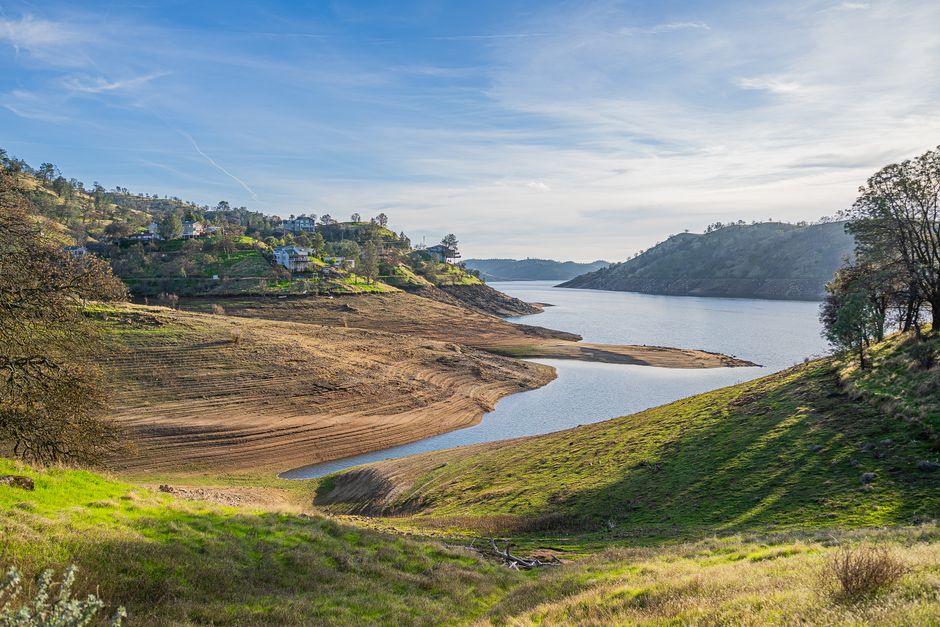
About 90 minutes northeast through the flat valley and up CA-41. Oakhurst is a valley town that spills downhill toward Bass Lake, a reservoir that serves as a regional recreation flashpoint. The lake itself is warm enough for swimming July through September, and the beaches get busy but not insane if you go on a weekday morning.
The real draw up here is access to the southern Sierra without the 4,000-foot altitude jump. The Chilnualna Falls trail—if you're willing to drive another 30 minutes toward Yosemite's south gate—is a legitimate 8-mile round-trip waterfall hike that doesn't require reservations or a park entry fee. Alternatively, the Ray Lakes loop near Oakhurst is forested, moderate, and often empty. Late May through October is your window, with July and August hitting peak heat. Oakhurst has some basic restaurants and a grocery store; it's not a destination town, but it's a functional launchpad for the high country. If the heat gets oppressive in town, you can count on a 10-15 degree drop heading uphill.
Three Rivers and the Kaweah River
South of Fresno, about 90 minutes through Visalia, Three Rivers sits at the base of the Sierra on the banks of the Kaweah. It's small—essentially a main street and a handful of side roads—but it's the gateway town for Sequoia, and it has a wholly different vibe than the interior of the park.
The river here is cold and fast, especially in spring when snowmelt is running high. Summer brings it down to a more manageable level for wading, and there are several pullouts along CA-198 where you can scramble down to the water without trespassing. The town itself has become a bit of a quiet destination for folks who want hiking and river access without the park entry fee or the crowds. There's good Mexican food on the main drag, and a few locally-run restaurants that actually care about what they're cooking. The Buckeye Flat campground (open year-round if you want to camp) has river access. If you're not trying to climb 3,000 feet on a given day, Three Rivers gives you trees, water, and quiet—and you can still day-trip into Sequoia from here if you change your mind.
When to Go and What Not to Bother With
Late spring and early fall are genuinely the sweet spot. May through June you get high-country access with fewer people. September and October keep that formula going while the weather stays stable. Summer peak season is real: parking fills up, trailheads overflow, and the valley floor gets hellish if you're driving back to Fresno at 3 p.m.
Winter closes or degrades most high passes, and the valley itself doesn't offer much that justifies a cold-weather day trip. Spring can be unpredictable at elevation—snow can linger, roads can flood, conditions change fast. None of this is a dealbreaker if you're flexible and don't mind a change of plans, but it's worth checking CalTrans road conditions before you leave town.
Plan for six to eight hours out if you want a real half-day at your destination plus drive time. Pack water, a light jacket, and honest shoes. The Sierra doesn't care about your itinerary. But when conditions align and you're standing in actual quiet with actual mountains around you, the 90-minute drive from Fresno starts to feel like it unlocks something the valley itself can't quite deliver.