I rolled into Fresno on a Thursday afternoon expecting to spend maybe a day here, knock off whatever the guidebooks told me to see, and move on. But I got lost trying to find parking near the Forestry Museum, stumbled into a neighborhood I wasn't planning on, and ended up staying three days. That's how I learned that Fresno isn't really built for the typical tourist loop. It's a city that rewards wandering—the kind of place where the real stuff happens on side streets and in parks most people drive right past.
Fresno gets a rough reputation. People know it as agricultural heartland, hit it on the way to Yosemite, or skip it entirely. Fair enough. But if you actually spend time here, especially if you get off Highway 99, you'll find neighborhoods with character, local joints with real followings, and some genuinely interesting stuff tucked away. I'm talking about spots where you might be the only tourist, or one of maybe two on a Saturday.
Here's what stuck with me after three days of aimless wandering.
Woodward Park and the Japanese Garden
Woodward Park is one of those places that feels both incredibly well-maintained and completely under-the-radar. It's a legitimate city park, not tiny, but somehow most people who visit Fresno never make it there. The main draw for me was the Japanese Garden tucked inside—and I went expecting something modest. I was wrong.
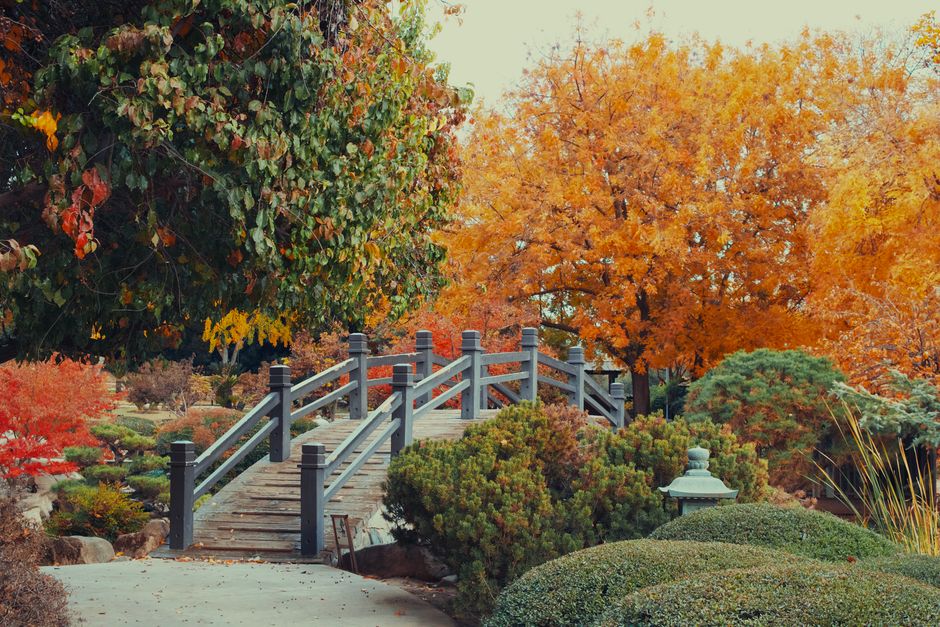
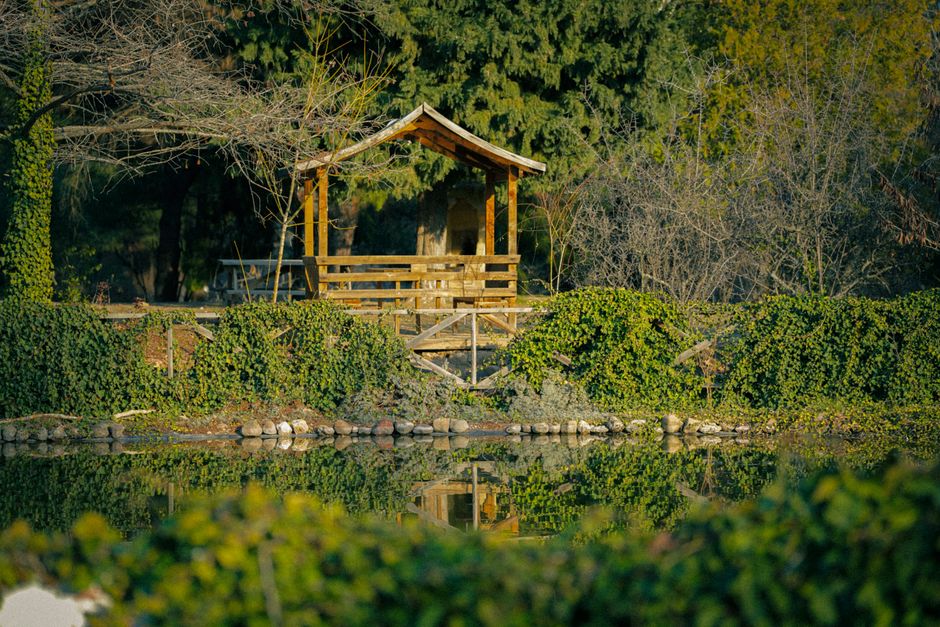
The garden is actually substantial. There's a teahouse, a koi pond, bridges, stone lanterns, the whole thing. It's the kind of space that makes you want to sit on a bench for an hour and not talk to anyone. I went on a weekday morning and had maybe fifteen minutes completely alone, which in a city park feels like a privilege. The whole park runs along the San Joaquin River, and even though the river itself isn't much to look at in that section, the path along it is decent for a walk. The gardens change with the seasons—winter is spare and contemplative, spring gets chaotic with blooms.
Admission is reasonable, and if you're not huge on structured gardens, the rest of Woodward is just a nice, normal park without the tourist density you'd get at somewhere like Moody Meadows or wherever the tour buses are sent.

The Meux Home Museum
This is a house museum from 1889, Victorian, preserved like someone's grandmother still lives there and is just letting you look around. It's on R Street, not exactly hidden, but it functions like a secret because almost nobody goes. I walked in on a Wednesday and the docent seemed genuinely excited to see someone under 65.
The appeal here isn't major historical significance—it's the smallness of it. You get to see how people actually lived in late-1800s Fresno, not through some grand interpretation but through preserved furniture, kitchen equipment, family photographs. The house has the specific feeling of a place that mattered to someone, that was loved. The staff knows everything about the building and will talk your ear off if you let them, which honestly was part of the charm. There's no audio guide, no app, just a person telling you about the Meux family and what they cared about.
The hours are limited and it's only open certain days, so check ahead. But if you're in Fresno and have even passing interest in local history or just the texture of a place, this is worth an hour.
Forestry Discovery Center and Shinzen Japanese Garden
The Forestry Discovery Center is technically meant for kids, but I found it interesting precisely because it wasn't set up for adult tourists. It's small, focused, and genuinely educational without being patronizing. The building itself is just a standard one-story structure, but they've done good work with the exhibits—lots of hands-on stuff, tree identification, information about California's different forest zones.
The attached Shinzen Japanese Garden is the bigger draw, and it's different from Woodward's. This one is more austere, more about negative space. It's newer, built in the 1990s, so it has that quality of a garden that's still figuring out what it wants to be. There are stone arrangements, a teahouse, paths that loop through carefully considered emptiness. I kept waiting to feel like I was in Japan—and I did, briefly, a few times, mostly when I stopped expecting it to happen.
The whole setup is in or near Kearney Park, which is also worth a walk through if you're in the area. The park has trails, a lake, open space. It's not dramatic, but it's the kind of place that makes sense to locals and doesn't depend on being interesting to outsiders.
Selland Arena District and the Tower District Fringe
Most visitors to Fresno who go out at all end up in the Tower District, which is fine—there's decent food and some energy. But the area immediately around Selland Arena, and the blocks just past Tower heading toward downtown, have more character and fewer people taking Instagram photos.
I found a coffee shop called The Rusty Cup that would've been worth the trip by itself—not because it's revolutionary, but because it's exactly what a good neighborhood coffee shop should be. It's busy with local regulars, the espresso is solid, and nobody's trying to be cute about it. There's a used bookstore nearby, a couple of small galleries, some decent taquerias that don't have three locations.
The vibe here is working neighborhood, not polished. You're more likely to run into people living their actual lives than people who are visiting. That's the value of it. If you want to understand what Fresno is actually like to people who live here, this area gives you more than the tourist corridor does.
Cache Creek and the West Side Overlook
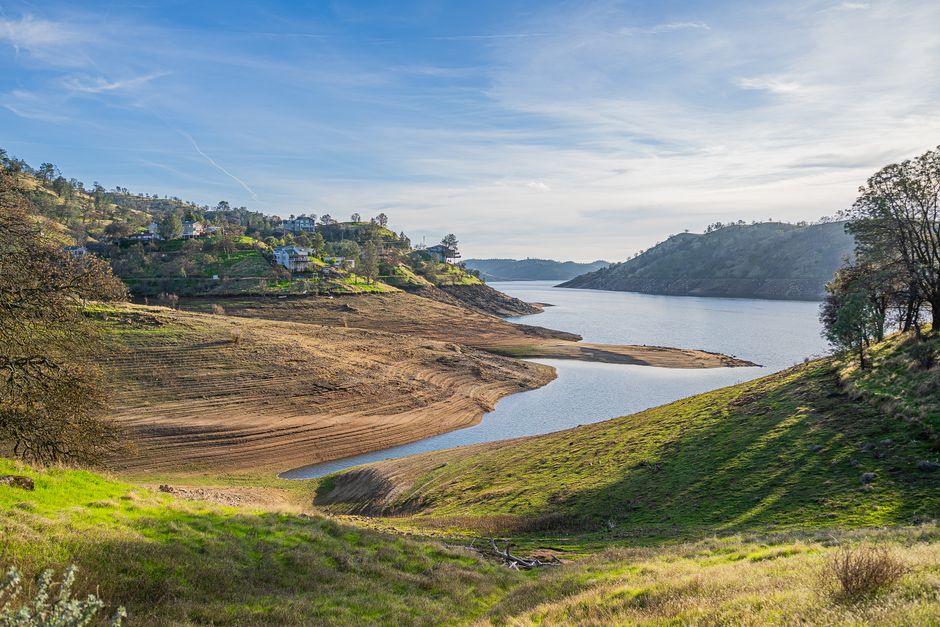
This one almost didn't make my list because I stumbled on it by accident—I was trying to find a restaurant that turned out to be closed. Cache Creek runs west of downtown, and there's a spot where you can get out, stretch, and actually see the landscape instead of just the built environment. It's not dramatic. There's no grand vista. But it's real, and it's empty.
The water is actual green in season, the banks have cottonwoods, and you get a sense of what the valley looked like before it was all agriculture and subdivisions. I saw a heron, some other birds I couldn't identify, and one very determined squirrel. Locals walk here, bike here, but you won't find it in any guidebook. It's the kind of place that's valuable specifically because it doesn't have cultural significance—it's just land and water.
If you're driving between Fresno and somewhere else and need twenty minutes to decompress, this exists. There's parking, it's free, and you won't see a gift shop.
The Real Reason to Spend Time in Fresno
I came to Fresno expecting to check boxes. Leave with a photograph, some notes, move on. What I actually did was understand that Fresno works as a city for the people who live there, not for visitors. That's not a bug. That's the whole point.
The attractions I spent the most time thinking about afterward—Woodward's park, the walk along Cache Creek, sitting in The Rusty Cup watching the morning crowd—weren't exceptional. They were just good, quiet places. That's harder to market than a must-see landmark, but it's more real.
If you're passing through Fresno, don't blow past it assuming you've seen what there is. Slow down. Miss your exit. Talk to people. The city will tell you what matters if you actually spend time listening.