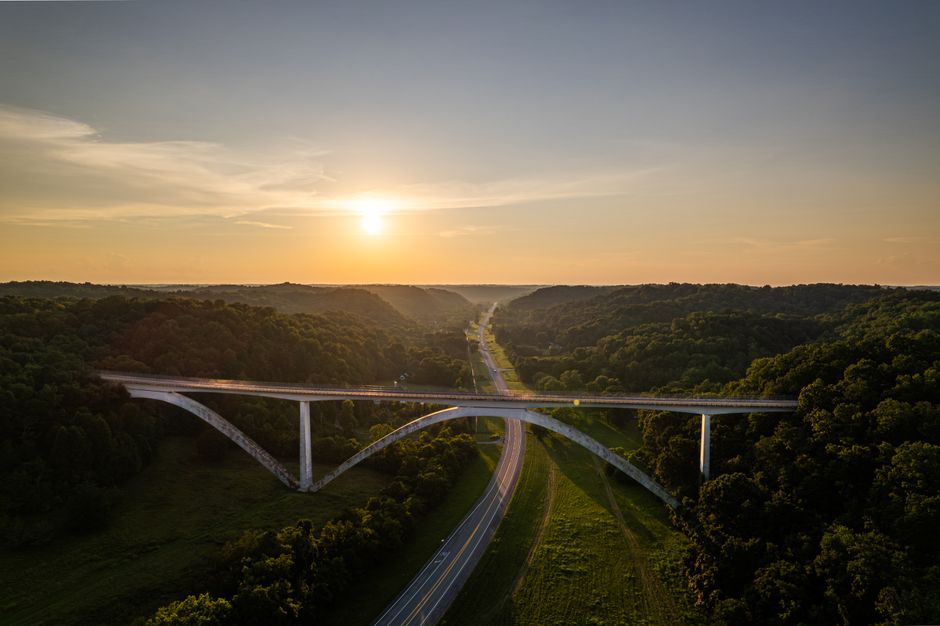
I rolled into Nashville on a Thursday afternoon with no real plan beyond hearing live music on Broadway and eating hot chicken. By Saturday, I'd already done both—multiple times—and felt that familiar itch that comes when a city, no matter how good, starts to feel like a loop. The thing about Nashville is that it sits at the intersection of several genuinely interesting regions: the Appalachian foothills, the Kentucky cave country, the rolling limestone plateaus of Tennessee's middle section. If you've got a rental car and a willingness to drive 90 minutes to two hours, you can spend a full day somewhere completely different and still be back for dinner. I did most of these runs myself, and they're worth the gas money.
Mammoth Cave, Kentucky (90 minutes north)
Mammoth Cave is the real deal—the world's longest known cave system, and it actually lives up to the hype in a way that surprises most people. The national park entrance is straightforward, and they run cave tours every 30 minutes or so, ranging from easy 45-minute walks to serious spelunking expeditions that require crawling through tight passages. I did the "Frozen Niagara" tour in early October, which felt like the sweet spot: cool enough that the caves weren't crowded, warm enough outside that the entrance area was pleasant. The cave itself is genuinely stunning—cathedral-high chambers, underground rivers, formations that look like frozen waterfalls. It's not romantic or moody the way some caves can feel; it's just massive and strange.
Go in spring or fall. Summer gets brutal with heat and crowds, and winter can mean reduced tour schedules. Give yourself a full five hours at the park if you want to do a tour, walk around the visitor area, and grab food. The nearest real town is Bowling Green (20 minutes away), which has the standard chain restaurants and a few decent local spots. Don't expect fine dining, but the Mammoth Cave Hotel sits right at the park entrance if you want to stay overnight—though the day trip works fine if you leave Nashville early.

Franklin and the Antebellum Plantations (30 minutes south)
Franklin is a Civil War battlefield that's also become an aggressively charming small town of about 9,000 people, which means it's simultaneously interesting and a bit much. The historic downtown has antique shops, restaurants, and enough foot traffic on weekends that parking becomes an actual puzzle. The real draw is seeing the homes—Carnton Plantation and Carter House are the main ones. Carnton was a Confederate hospital and headquarters after the Battle of Franklin; Carter House was in the thick of the fighting itself. Both have guided tours that are worth the time if you care about the Civil War's logistics and human cost.
Honestly, I found the experience a bit heavy. The tours are well-done and emotional, and the homes themselves are beautiful in that grand, slightly sad way of preserved antebellum estates. If that interests you, go in fall when the weather's mild and the town's less swamped. If you're more interested in just walking around an attractive small town and eating decent food, you can do that too—there's a nice public square, and restaurants like The Williamson and Puckett's Grocery are solid without being life-changing. The drive back to Nashville is short enough that you can make an afternoon of it without committing your whole day.
Gatlinburg and the Smoky Mountains (90 minutes east)
Gatlinburg is where mountains meet tourist trap—and that's not entirely a complaint. The town itself is loud and full of T-shirt shops, go-karts, and indoor attractions aimed at families with stir-crazy kids. But the Great Smoky Mountains National Park entrance is literally adjacent to downtown, and the park itself is mostly untouched, still-wild wilderness. This is the place to go if you want actual hiking and mountain scenery without a long drive. The park's free to enter, which is nice.
I drove Cades Cove Loop, an 11-mile loop road through the park that's as close to a sure thing as hiking gets if you don't want to hike. You drive slowly through a valley, there are frequent pullouts and a few short walks, and you'll see mountains, barns, and occasionally black bears from a safe distance. Go early in the morning—like sunrise early—to avoid the crowds and the heat. Fall (October, early November) is the obvious choice, but it's also the most crowded time. I'd actually argue for June or early July if you can handle the humidity; fewer people, greener mountains, and the wildflowers are still around. Stay in Gatlinburg proper if you want to sleep there, but don't expect much beyond the experience of having a base in the mountains. One night is plenty.
Tullahoma and the Whiskey Distilleries (75 minutes south)
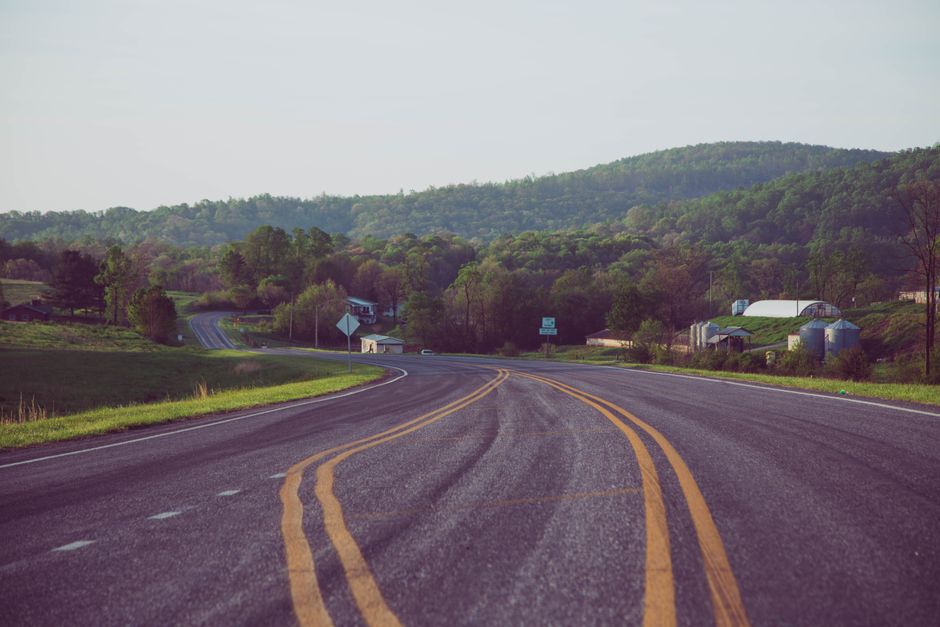
Tullahoma is a genuinely under-visited part of Tennessee, and it's become a secondary whiskey destination in recent years. It's not Bourbon Country, exactly—this is Tennessee whiskey and moonshine territory—but the distilleries here (George Dickel being the biggest name) offer tours that feel less polished and more honest than some of the bigger operations.
George Dickel's property, Cascade Hollow, is actually beautiful in a rustic way: the grounds are manicured but not aggressively so, and the tour walks you through a real production facility, not a theatrical experience. They explain how Tennessee whiskey actually differs from bourbon (the Lincoln County Process charcoal filtering is the technical thing, but basically it means a slightly smoother product). The tasting at the end is generous. Nearby Podium Distillery and some smaller craft operations round out the list if you want a longer afternoon. Tullahoma itself doesn't have much else going on, but the town's quiet and un-touristy, which is refreshing after Nashville.
Best in late fall or spring when you can actually enjoy standing outside without melting. The distilleries keep consistent hours, but call ahead in winter to confirm—some reduce hours or close mid-week. Grab lunch at a local diner before or after. This is not a romantic getaway spot; it's a straightforward "I want to see whiskey made and taste good whiskey" day trip.
Bowling Green and the Lost River (90 minutes north)
Bowling Green sits between Mammoth Cave and Louisville, and it's got a particular appeal if you want to see something that's less obvious. The Lost River Canoe & Camp operation offers canoe and kayak trips on a genuine scenic float—the kind where you're paddling past limestone bluffs and under tree canopy, not paddling in circles at a strip-mall facility. I did a three-hour trip in late September, and it was exactly what it needed to be: peaceful, physical enough to feel like activity, beautiful in a understated way.
The town of Bowling Green itself is home to Western Kentucky University and has a normal college-town vibe—coffee shops, a small downtown, nothing fancy. If you're pairing the river trip with something else, you could see Mammoth Cave (they're close) or just make it a morning paddle followed by lunch and a slow drive back. The river trips run year-round, but late spring through early fall is obviously ideal for paddling. Go on a weekday if you can; weekends get more crowded. The operation is professional and safety-conscious without being overly cautious; they'll outfit you properly and give you real instructions.
When to Actually Go
Spring (April, May) and fall (September, October, early November) are genuinely best for everything listed here. Spring has wildflowers and mild weather; fall has that perfect cool-not-cold range and colors if you're in the right places. Summer is hot, humid, and crowded everywhere except maybe Tullahoma's distilleries (because people aren't outdoors). Winter works for the cave (it's always 54 degrees) and for distillery tours, but the mountains and paddling trips aren't as appealing.
Most of these trips work as true day trips—leave Nashville around 8 a.m., spend 5-7 hours at your destination, and be back by early evening. The exception is Gatlinburg, which deserves more time if you're actually going to hike or explore the park; it's worth an overnight if you can swing it. Otherwise, pick one, commit to the drive, and don't try to combine more than one destination unless you want to spend most of your day in the car.
Logistics and Expectations
Rent a car. Nashville's fine for walking around, but you need a vehicle for any of these trips, and public transportation isn't going to happen. The drives are straightforward—all highways, no narrow mountain roads that require any special skill. Gas money will run $20-35 depending on which destination. Download maps offline if you're not confident in your cell service in rural areas.
Manage your expectations about food. Except for Franklin, these places don't have sophisticated dining options. Pack snacks or plan to eat at whatever's available locally. Bring water. Wear good shoes if you're going to Gatlinburg or doing the Mammoth Cave tour. Check hours and tour times before you go; some operations have limited schedules or close early in off-season months. None of these trips require reservations well in advance, but calling ahead to confirm someone's actually open is time well spent.