I rolled into Nashville on a humid Tuesday expecting the usual: Broadway packed shoulder-to-shoulder, neon signs, cover bands playing the same three songs. But I made a decision early on—rent a bike, buy a coffee map from a local roaster, and stop asking hotel concierges for recommendations. That's when the real city showed up.
The thing about Nashville that tourist blogs don't quite capture is how quickly you can leave the mayhem. Ten minutes by bike from the Ryman, you're in neighborhoods where people actually live, where the music isn't performed, where a good meal doesn't come with a rhinestone menu. I spent four days finding these places, and honestly, I'd rather sit in any of them than walk Broadway again.
Shelby Park and the Overlooked East Nashville View
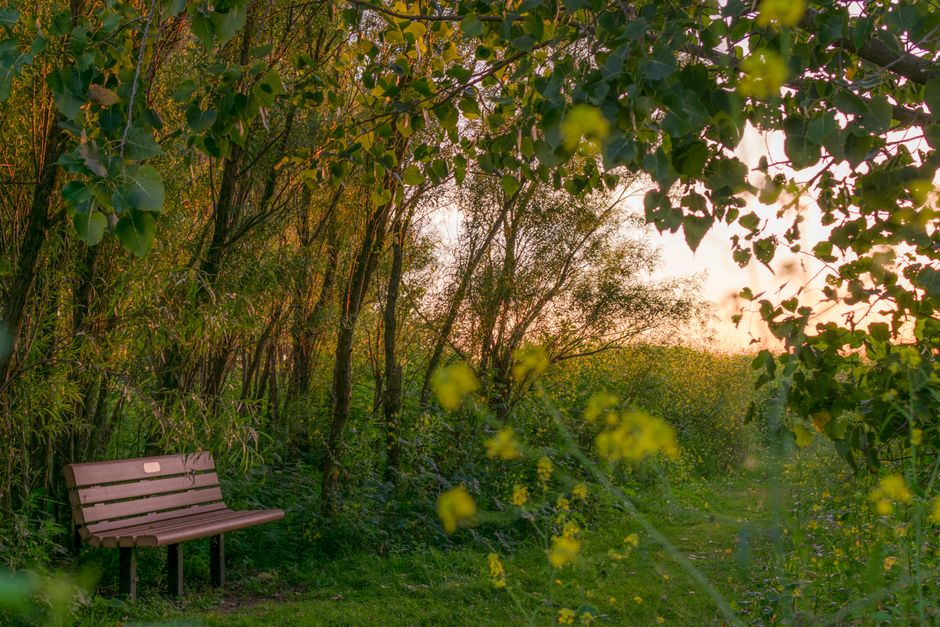
Shelby Park isn't listed on most tourism sites because it lacks the Instagram appeal of the Parthenon or a rooftop bar sunset shot. That's exactly why it's worth a visit. The park sits on the east side, roughly bounded by Main and Woodland, and it's one of those genuinely old Nashville spaces—dense trees, a real creek, walking paths that don't feel engineered for crowds.
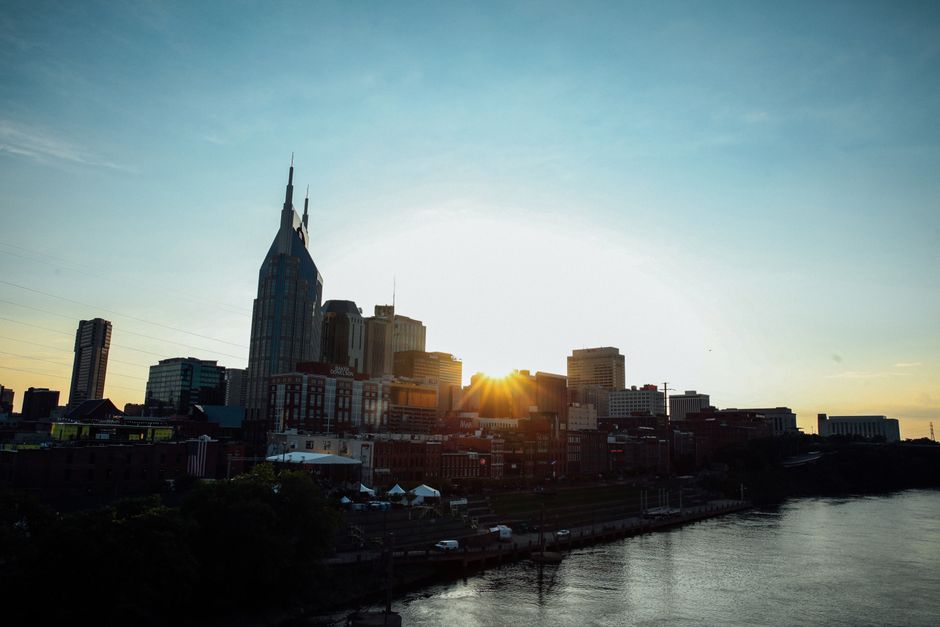
What made it stop me in my tracks was the view back toward downtown from the northern edge. No barrier, no forced viewing platform—just a hill where you can see the skyline sit down and breathe for an hour. I watched the light change on the buildings in the afternoon, saw a handful of locals with dogs and kids, heard actual birds. Bring a book or a notebook. Don't go looking for a coffee stand; you have to supply that yourself.
Cheekwood Estate and Gardens—Art Museum Most People Confuse with Something Else
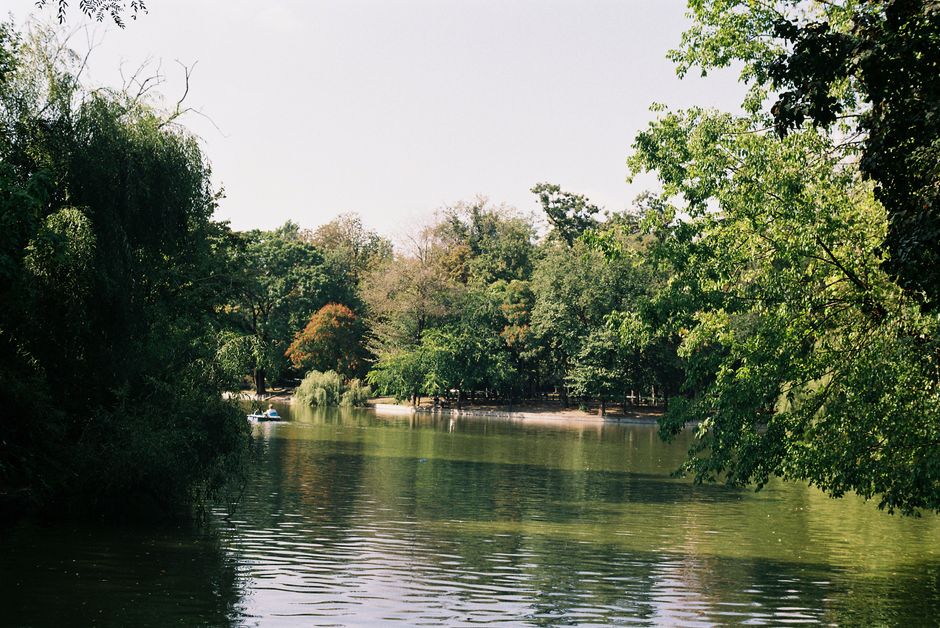
Cheekwood sits west of downtown in a mansion-and-grounds kind of setup that tourists often mistake for a wedding venue or assume costs fifty dollars when it's actually a proper art museum. The estate was a historic home, and it's been converted into galleries, sculpture gardens, and what feels like a genuinely upscale but not pretentious operation.
I went on a Thursday and saw maybe thirty people spread across the entire grounds. The art inside is rotating and often has regional focus—Tennessee painters, regional contemporary work. The gardens are maintained but not aggressively designed; there's a pond, walking trails, old trees. If you're not trying to cover it in two hours, it's a slow, genuine experience. Admission is around fifteen to twenty dollars depending on season, and they're closed Mondays, so plan accordingly.
The Shops and Roasters Along 5th Avenue South
Five Blocks South is neither the strip nor the hipster corridor everyone talks about. It's just where people who work downtown grab coffee and actually shop. You'll find independent bookstores that smell like real bookstores, vintage shops that aren't aggressively curated for Instagram, and a roaster called Crema that I kept returning to because the staff didn't perform hospitality—they just made good coffee.
There's a vintage place called Pangaea that focuses on clothing and furniture from various eras; a bookstore called The Bookshop; a record shop. None of this is revolutionary, but that's the point. It's a real commercial street where locals move through without being filmed. The restaurants in the area aren't trying as hard as they are on Broadway, which usually means the food tastes better. I ate lunch twice on this strip and spent three hours just wandering in and out of shops. That's not quantifiable content, but it's actual travel.
Radnor Lake State Park and the Heron Walk
Most Nashville guidebooks mention this one, but they undersell it. Radnor Lake sits about fifteen minutes south of downtown, and it's a genuine natural space—a lake surrounded by old-growth forest where the primary activity is bird watching and quiet walking. The park was established partly to protect the lake from development, and it shows. There's a gravel path that loops the lake, roughly two miles, and it's crowded on weekends but feels empty on weekday mornings.
I went at seven in the morning and saw a great blue heron on the water, multiple warblers, people who'd been coming here for years and knew the trails by memory. No amenities to speak of beyond bathrooms and parking. Bring your own water. The experience here is purely about walking in forest and watching the light hit the water. If you're in Nashville and you want to remember something besides music venues and restaurants, this is the place.
Ryman Backstage Tours and the Quieter Church Experience
Everyone knows the Ryman—the Parthenon of country music. But the paid backstage tour actually matters, and more importantly, it's a way to experience the venue when it isn't a concert. I went on a Tuesday afternoon with maybe twenty other people, and the guide who'd worked there for twelve years told actual stories instead of reading from a script.
You get to stand on the stage facing the empty pews (and the Ryman's interior is a former church, actual architecture with a balcony and wood), walk through dressing rooms, see the engineering that makes the place work. It's not cheap—call it thirty dollars or so—but it reframes what the Ryman is if you bother to do it during quiet hours. Most tourists only experience it during a show, which is loud and crowded and turns it into a concert venue. The backstage tour lets you understand it as a historic building that happens to host music.
The Nations and Two Rivers Park—The Neighborhood No One Talks About
West Nashville has a neighborhood called The Nations that I found almost by accident while biking toward something else. It's not East Nashville (which is now aggressively gentrified), not Germantown (which has become a restaurant destination), not the strip. It's just a neighborhood where people live—murals on buildings, small cafes, studios, bars that don't have a concept.
Two Rivers Park sits nearby and serves the actual community rather than tourism. There's a Titans stadium view from one angle, but that's not the point. The point is the paths along the Cumberland, the fact that it's not packed, the way it feels like a place rather than an attraction. I spent an afternoon riding a bike through this area, stopped at a coffee shop run by someone who'd lived there twenty years, and had a conversation instead of a transaction. If you want to see what Nashville looks like when no one's performing, this is it.
Practical Notes and How to Actually Get Around
Rent a bike or use a scooter if you don't have a car. Most of these places are manageable by that method, and it changes how you move through the city—slower, more observant. The public transit exists but isn't designed for quick downtown-to-neighborhood jumps.
Timing matters. These spots exist partly because tourists don't visit them, which means they're crowded when tourists finally show up. Weekday mornings, especially Tuesday through Thursday, are ideal. Avoid weekends if you're trying to experience something that feels local.
Don't go looking for curated experiences or destination restaurants at every stop. Part of what makes these places work is that they're not trying. Order coffee, sit, read. Walk without planning the next photo. That's when a city actually becomes real to you instead of a checkbox list.