
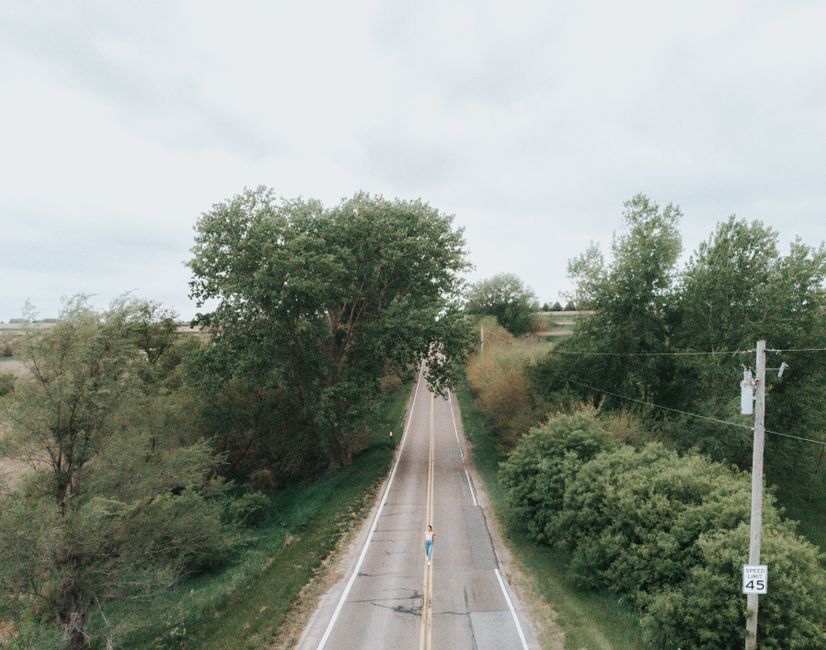
I rolled into Omaha on a Thursday expecting to spend three days wandering the Old Market and the Henry Doorly Zoo. By day two, I'd realized the real move wasn't staying put—it was using the city as a hub to explore the quieter parts of Nebraska. Within two hours, you can reach places that feel completely different from the metro bustle: riverside towns, genuine state parks, and historical sites that locals actually care about. This isn't tourist-brochure stuff. These are the places Omaha people drive to when they want to actually disconnect.
Brownville: 45 Minutes Southeast
Brownville sits right on the Missouri River, and it's one of those towns that somehow feels frozen in a good way. The main strip has actual antique shops, not the curated Instagram kind—real dusty places where you find things people forgot existed. The architecture is legitimately beautiful if you like 19th-century brick and ironwork. There's a steamboat museum if you're into that sort of history, and a state park that's pleasant for a walk.
The best move is to show up midday, hit the antique stores and the few decent restaurants, then spend an hour or two walking the riverfront before heading back. Spring and fall are ideal—summer gets humid and touristy, winter is just cold with fewer places open. The drive's easy, mostly straight shot down Highway 75. You can be there from downtown Omaha in 45 minutes if traffic cooperates.

Plattsmouth: 30 Minutes South
Plattsmouth is smaller than Brownville and less polished, which is partly why I liked it more. The town sits where the Platte River meets the Missouri, and there's a decent park system for walks. The main draw is actually the surrounding bottomland—if you're there in early spring or fall during bird migration, the area is legitimately worth visiting for that alone.
There's a riverside trail system that's genuinely good for a couple-hour walk, and a handful of small cafes and bars where actual locals eat. The historic downtown is quiet, walkable, and not overrun. Go in spring for the best light and weather. It's the closest true day trip on this list, so it works if you've only got a few hours to kill.
Ashland and Mahoney State Park: 50 Minutes Southwest
Mahoney State Park is the real destination here—Ashland is just the town you pass through. The park has what Omaha doesn't: actual trees, decent trails, a lake for paddling, and enough space to feel like you've left the metro area. There's a zipline operation if you're into that, but honestly the park itself is the thing.
Hike the trails for an afternoon, pack a lunch, maybe rent a canoe or paddleboard if you're the type. The park's open year-round, but late April through October is when it's actually pleasant. Summer weekends draw families, so if you want it quieter, go on a weekday or in shoulder season. The facilities are clean, and there's decent parking. It's one of the few places from Omaha where you can actually feel like you're in nature without the feeling being totally manufactured.

Peru and the Peru State College Area: 60 Minutes Southeast
Peru is tiny, but it sits in genuinely rolling country along the Missouri River bluffs. The college campus has some pleasant walks, and there's a small scenic overlook area with real views of the river valley. It's not a destination with "attractions" in the tourism sense—it's more about driving through real Nebraska, the kind that isn't corn and highway.
Go to Peru if you want a drive that feels like a change of pace and don't mind that there's limited commercial infrastructure. Bring a picnic or plan to eat at whatever's open in the small downtown. Fall is excellent here—the river bluffs are actually nice when the trees change. The drive is quiet and scenic, skirting the river much of the way. It works best as a half-day trip paired with a stop in Brownville or Auburn, which is nearby.
Auburn: 70 Minutes Southeast
Auburn's a shade bigger than some of these other river towns, and it has a more developed main street. There's a decent art scene for the size, couple of antique shops, and a state park. The historic downtown is actually being maintained pretty well—you can tell people care about the place.
The main reason to go is the combination: a pleasant hour or two walking the town, access to the nearby state park for a short hike, and usually at least one solid restaurant or cafe. It's often bundled with Brownville since they're both in the same general direction from Omaha. Spring through fall is the season. Winter is quiet but not particularly welcoming. The drive down the river towns corridor is the real reward—you're looking at bluffs and the Missouri most of the way.
DeSoto National Wildlife Refuge: 90 Minutes Northeast
DeSoto is a different kind of day trip—you're out here for the refuge itself, not for a town. The refuge straddles the Iowa-Nebraska border along a bend in the Missouri River and is genuinely excellent for birding in spring and fall. Even if you're not a serious birder, the visitor center is worth an hour, and the walking trails are pretty.
Go in April or September if you can. That's when the waterfowl migration is active and the place feels alive. Summer is hot, and winter doesn't offer much unless you're specifically into winter birding. There's a scenic loop you can drive and pull off at various points. Bring binoculars and field guide apps. It's one of the few places near Omaha where you can actually see why people spend time outdoors for reasons that aren't just recreation.
When to Go, Logistics, and the Real Story
Spring and fall are the honest answer for all of these. May and September especially—the weather is manageable, everything's open, and you actually want to be outside. Summer is possible but you're contending with heat and weekend crowds. Winter works if you don't mind quiet and occasional closures.
The drives are all straightforward—Nebraska doesn't have complicated traffic even near Omaha. Fill up on gas before you leave the city if you're heading to the smaller towns. Service stations exist but aren't always convenient. Pack food or know you're eating at one of the small-town cafes, which is honestly part of the point.
These aren't destinations you need to plan exhaustively. That's the appeal. Drive out, walk around, see what you find, drive back. The real reward of doing day trips from Omaha isn't hitting checkboxes—it's discovering that there's actual character and space just outside the city limits if you're willing to spend a tank of gas finding it.



