I pulled into Omaha on a Thursday evening in late September, heading downtown without much of a plan. What struck me first wasn't the skyline—it's modest, honest—but the fact that people seemed to actually be outside. On the street corners, in the parks, moving between neighborhoods with purpose. That's when I realized Omaha wasn't going to be one of those cities where you park and forget the car for a week. It's a place where different blocks have genuinely different personalities.
Over the next few weeks, I stopped treating Omaha like a one-neighborhood city and actually moved around. Stayed in different pockets. Ate breakfast in three different spots. Talked to people who'd moved here, people who'd never left, people who were still deciding. What became clear is that Omaha rewards you for exploring beyond the obvious tourist corridor. The neighborhoods here aren't just residential zones tacked onto a downtown—they're distinct enough that you'll actually feel the shift when you cross from one into another.
Old Market: The Logical Starting Point
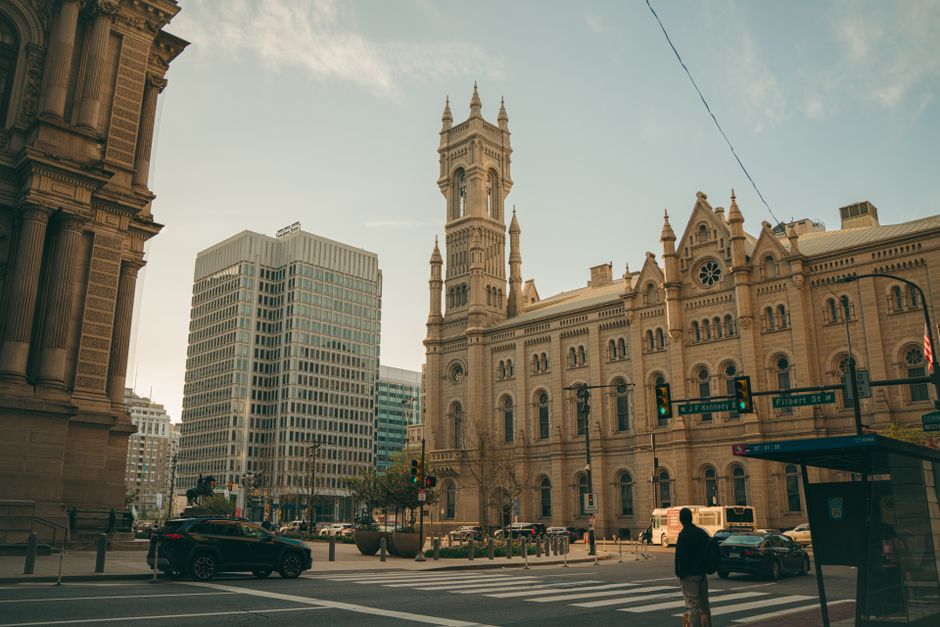
This is where most visitors start, and honestly, they start there for good reason. Old Market sits right along the Missouri River, a cluster of red-brick buildings that dates back to the 1880s and somehow avoided being demolished for a strip mall. Now it's restaurants, galleries, shops, and the kind of crowded Saturday nights you'd expect from an established downtown entertainment district.
If you're in town for a weekend and want to maximize what you can do without thinking too hard about directions, stay here or nearby. The Henry Doorly Zoo is a short drive. The Joslyn Art Museum is within walking distance. You can get dinner, walk around taking photos of the old architecture, grab a drink, and call it a night. It works. But here's the thing nobody tells you: Old Market gets genuinely crowded, and the restaurants—while solid—charge what you'd pay anywhere else. First-time visitors and tourists on tight schedules should definitely spend time here. If you're relocating and trying to figure out where to actually live, though, don't assume this is your neighborhood. The rents reflect the foot traffic.
Parking is a minor headache on weekends, but there's a garage situation that mostly works. The vibe is polished in a way that feels earned rather than manufactured, which puts it ahead of a lot of comparable districts in other Midwest cities.
Dundee: Where Young Professionals Actually Live
Head west of downtown and you hit Dundee, a neighborhood that's become increasingly appealing to people in their late twenties through early forties who want to be able to walk to a bar but don't want to live above one. The main strip, 50th Street, has the goods: craft cocktail bars, independent coffee shops, restaurants that get written about in food magazines. There's a used bookstore that's worth your time. A brewery. The kind of retail that suggests people with disposable income live nearby and actually want to spend money locally.
I spent an evening walking around Dundee in a light drizzle, and it had the feeling of a neighborhood that's still figuring itself out—in the good way, not the chaotic way. There's new investment happening without the sterile feel of complete gentrification. You'll see rehabbed Victorians next to older rental properties. Young families pushing strollers. People sitting outside at 7 p.m. on a Tuesday.
If you're moving to Omaha alone or with a partner, early career, and you want some neighborhood infrastructure—cafes where you'll eventually know people's names, restaurants where reservations matter, that general sense of being in a place where things are happening—Dundee is the most obvious choice. Rent is higher than outer neighborhoods but still reasonable by national standards. Parking is street parking, which is fine if you're not planning to go anywhere between 5 and 7 p.m. on weekdays.
Benson: Funky, Affordable, Still Figuring It Out
Benson sits northwest of downtown and has the character of a neighborhood that was left for dead thirty years ago and is now slowly being discovered by people who thought Dundee was getting too polished. The main corridor, Military Avenue, feels like an earlier version of what Dundee has become—some good spots, some empty storefronts, some places that have been the same for decades and probably will be.
There's a music venue that books actual talent. A few restaurants that take themselves seriously without being pretentious about it. A coffee shop where artists apparently congregate. The bones of the neighborhood are interesting: older brick buildings, tree-lined streets that genuinely shade the sidewalk, blocks where you can tell there used to be more going on and might be again.
Benson suits people who are flexible about their surroundings, who want affordability and character more than convenience, who are okay with a slightly longer drive to things but like knowing their neighborhood isn't on everyone else's radar yet. Families with older kids who want space and rent they can actually afford. Artists and creative types. People who moved to Omaha from bigger cities and need the neighborhood to feel a little rough around the edges to be comfortable. It's gentrifying, sure, but slowly enough that it still feels like an actual place rather than a development project.

Blackstone District: Compact and Walkable
Blackstone is smaller than Old Market and less established than Dundee, but it's worth knowing about if you want actual walkability—coffee, groceries, restaurants, bars—within a three-block radius. It's centered on a few blocks around 36th and Farnam, and it has the advantage of being dense enough to feel like a real neighborhood without being so dense that parking is impossible.
I grabbed lunch at a small place on the main strip and noticed it had the kind of customer base that suggests locals actually eat there, not just tourists passing through. There's a farmers market on weekends. A bookstore. The kinds of small businesses that require repeat customers to survive, which means they're probably better than a chain establishment.
It's a solid choice for retirees who want to walk to meals and cultural events without being downtown proper. For visiting professionals who need to be close to business districts but want a neighborhood feel. It's small enough that you can learn it in a day, which either appeals to you or doesn't depending on what you're looking for.
Aksarben Village and the South Omaha Expansion
This one requires context: Aksarben Village is a newer mixed-use development on the south side that feels more planned than the older neighborhoods. Condos and apartments above retail and restaurants, the kind of designed community that you see popping up in a lot of places. It's not a traditional neighborhood with decades of organic growth, but it functions like one if you don't mind that everything is approximately five years old.
It works well for people relocating to Omaha who want newness, safety, and certainty. Families who want to know exactly what they're getting. People moving from the coasts who need the handholding of a place that feels contemporary and managed. The architecture is fine—nothing wrong with it, nothing memorable about it either. The restaurants are chains and local concepts with professional management. There's a movie theater. A grocery store. It's a complete package in a way that the older neighborhoods aren't.
I didn't stay here, but I drove through and understood the appeal. It's popular with families and remote workers who prioritize convenience over character. If you're visiting and want to be near restaurants and shopping without thinking, it's functional. If you're relocating with kids and want a safer, more planned experience than Benson or even Dundee, it makes sense. Just know what you're getting: a contemporary development with fewer surprises and fewer corners to discover.
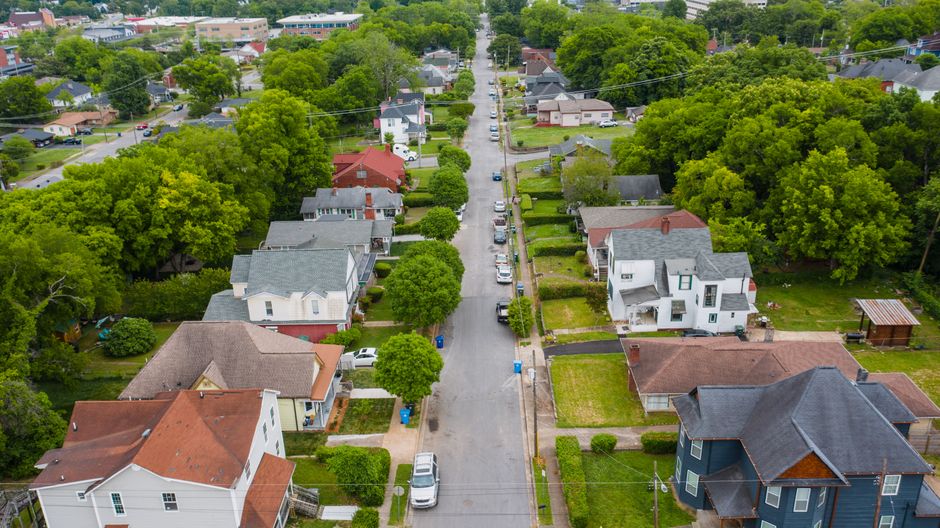
The Real Geography: Knowing the Bridges and the River
One thing that took me a minute to understand about Omaha is that it's actually shaped differently than I expected. The Missouri River runs north-south, and the neighborhoods are split by it. Downtown and Old Market are on the eastern side. Everything else is west of the river, which means certain neighborhoods feel isolated from the downtown core because they are. Dundee and Benson are far enough west that you're not just taking a short drive—you're committing to a neighborhood that doesn't naturally bleed into the downtown experience.
This matters more for people relocating than for visitors. If you're choosing where to live, understand that moving from Dundee to Old Market is a fifteen-minute drive on a good day, not a quick hop. The neighborhoods feel geographically distinct partly because they are.
Practical Notes and Weather Reality
Omaha summers are genuinely hot and humid. Winters are cold enough that you notice. The neighborhoods I've described are all manageable year-round, but your experience of them will change depending on season. Dundee in summer feels vibrant and outdoor-focused. Dundee in February feels like you're working hard just to stay warm enough to enjoy coffee outside.
For visitors: parking is not the nightmare it is in coastal cities, but it's present. Street parking in Dundee and Benson is real. Old Market has garages. Aksarben Village has surface lots. For residents: get comfortable with walking to some places even if your car is nearby.
Omaha is also genuinely affordable compared to most American cities where young professionals are actually moving. You can live in a nice neighborhood, in a real place with character, and not spend half your income on rent. This is less true for Old Market, but true for everywhere else mentioned here.