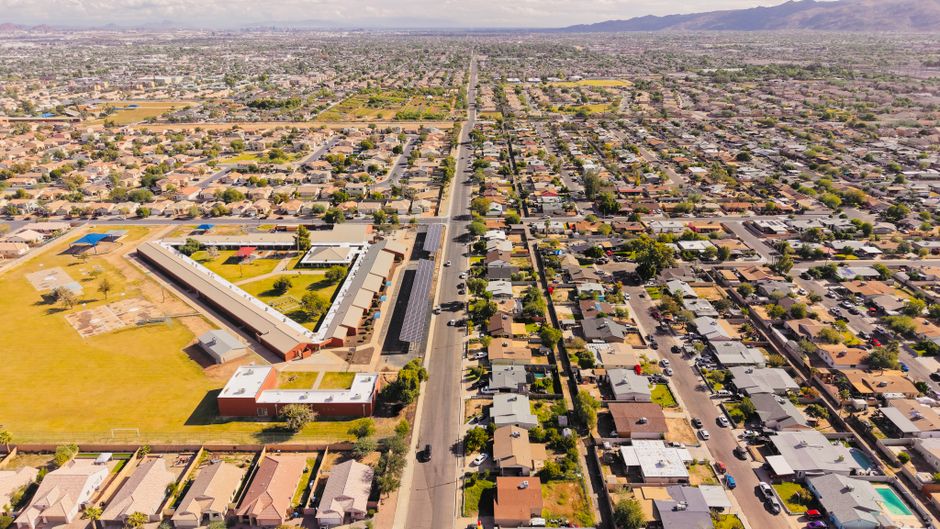
I landed at Sky Harbor on a dry March afternoon, rental car key in hand, with no real plan beyond finding somewhere to sleep that didn't cost a fortune. Phoenix is sprawling—genuinely sprawling—and picking a neighborhood matters more here than in most cities. This isn't a place where you wander from one district to another on foot. Where you stay shapes whether you spend your time eating farm-to-table dinners in Old Town, catching sunset drinks overlooking Camelback Mountain, or stumbling between dive bars and college bars until 2 a.m.
I spent the better part of a week moving between neighborhoods, talking to residents at coffee shops and bars, walking around at different times of day. The valley neighborhoods that felt worth my time had real personality—not just chain restaurants and stucco subdivisions. Here's what actually stood out.
Downtown Phoenix: For Urban Energy and Arts
Downtown is where Phoenix tries hardest to be a real city. The neighborhood sits around Central Avenue and has genuinely transformed in the last decade—not with the hollow gentrification that flattens everywhere, but with actual cultural weight. The Heard Museum is here, serious. So is the Phoenix Art Museum. Roosevelt Row is a collection of galleries and murals that goes beyond Instagram bait; it's genuinely alive most weekends.
The vibe works for young professionals who don't mind the heat and actual tourists looking to do something besides sit in a resort pool. Weekday mornings are quiet. Weekends draw crowds. There are decent restaurants—Alice Cooperstown if you want a novelty burger, or smaller spots that rotate in and out. Parking is always an issue. If you're renting an apartment here, you're paying more than most of the valley, but you get sidewalk culture and walkability within a few blocks.
Families can visit museums and catch events at the convention center, but this isn't where you'd raise kids. Too many empty lots still, too many streets that feel dead after dark.
Scottsdale: Where the Money Lives (and Eats Well)
Scottsdale is 20 minutes northeast of downtown, and it feels like another state entirely. Old Town Scottsdale, the original part centered around Brown Avenue and Main Street, is where visitors spend money on expensive lunches and art gallery browsing. It's polished, walkable, and genuinely pleasant if you don't resent crowds or high price tags.
The real estate here skews toward retirees with money and high-income families. If you're looking to live here long-term, expect to pay seriously. But the restaurant scene is legitimately strong—not just expensive, but actually good restaurants. The medical and tech workers who've moved to North Scottsdale in recent years have created a different energy than Old Town's tourist-focused scene. North Scottsdale developments near Old Town feel new in a way that reads as clean and contemporary, though some find it characterless.
Visitors who like upscale shopping, farm-to-table restaurants, and spa culture do well here. The Scottsdale Museum of Contemporary Art is worth an hour. But if you're looking for grit or local character, you won't find much. This is where Phoenix shows its wealthiest face.
Tempe: Students, Late Nights, and ASU Energy
Arizona State University's main campus is in Tempe, and the neighborhood reads like a college town trapped in a sprawling city. Mill Avenue is the central bar strip—loud, young, perpetually crowded Thursday through Saturday nights. If you're under 30 and like that scene, Tempe is easy and cheap.
The character here is basically determined by the semester calendar. Summer is quieter. Fall and spring hum with student energy. Housing is cheaper than downtown or Scottsdale, and there's a kind of chaotic liveliness that older neighborhoods have lost. The light rail connects to downtown, so you're not totally stranded if you want to venture elsewhere.
Tempe works for students, obviously. It can work for young professionals who don't mind the noise and want a social neighborhood with low barriers to entry. Families and retirees would hate it. The Arizona State Sun Devil Stadium dominates the feel during football season. There's a decent farmers market on Mill Avenue and some solid casual food options, but dining here is mostly about volume and value, not ambition.

Arcadia: Families and Serious Desert Views
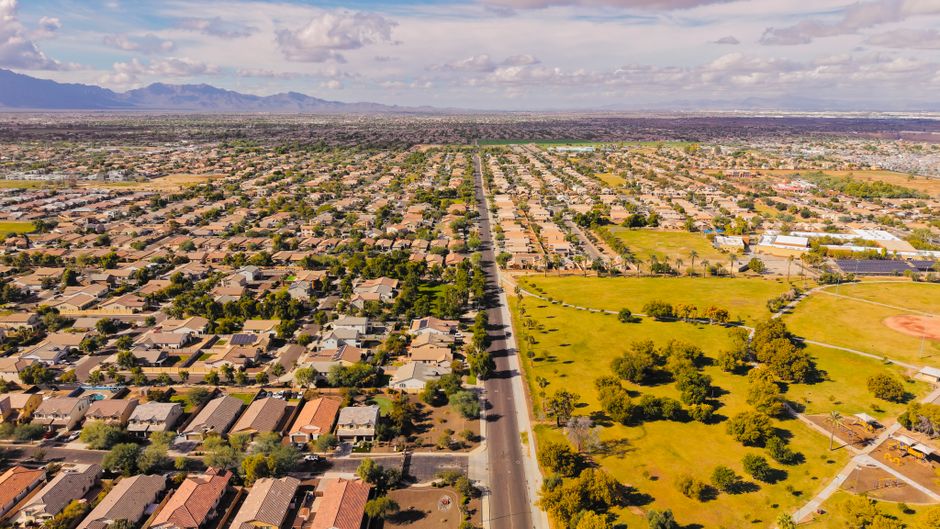
Arcadia sits north of Tempe, hugging the foothills near Camelback Mountain and Papago Park. The neighborhood is more spread out, more residential, with actual hiking access and mountain views that justify the desert living. It's where families with money settle—good schools, bigger yards, proximity to nature without total isolation.
If you're moving here with kids, Arcadia makes sense. The parks are genuinely nice, the hiking is accessible from your neighborhood, and there's less of the valley's pure urban sprawl feel. Pricing is higher than central Phoenix but lower than Scottsdale. Restaurants are sparser—this is a residential area, not a dining destination. But for families who want walkable access to trails and mountain scenery, it delivers.
Retirees also gravitate here. There's a slower pace than downtown without feeling like you've moved to a retirement community resort. The neighborhood has actual character—older homes mixed with newer builds, tree coverage, a sense that people actually spend time outside their cars.
Midtown Phoenix (Central Avenue Corridor): The Emerging Middle Ground
Midtown isn't quite Downtown's neighbor—it's north of there, still urban but less polished. Central Avenue through this stretch has been getting serious investment in the last few years. It's where younger professionals with smaller budgets are landing, where rents don't require a six-figure salary, where you still have walkable blocks and real bars instead of franchises.
The appeal here is neighborhood texture without Downtown's tourist overlay. You get coffee shops that feel like actual local hangouts, not Instagram sets. Restaurants are more experimental. There's still plenty of ugly stucco and empty lots, but the direction is clear. It's not fully baked yet—some blocks feel sketchy, some feel genuinely nice, often within a few hundred feet of each other.
This is the neighborhood for people who want urban energy but can't afford Old Town or Downtown prices. It suits young professionals and anyone who likes watching neighborhoods change in real time. Families and retirees would probably prefer the stability and established feel of Arcadia.
Camelback East: Quieter, More Established
Camelback East sits in the shadow of the actual Camelback Mountain, east of Midtown and north of Old Town. It's older, quieter, more established than the gentrifying neighborhoods. Lots of mid-century modern architecture, tree-lined streets, actual neighborhood parks where people gather.
This is where longer-term residents live—people who've been in Phoenix for years and chose stability over trend. It's not trendy, which means it's affordable by Phoenix standards. Schools are decent. The hiking access to Camelback itself is a massive draw. You're close enough to downtown or Scottsdale for dining and entertainment, but far enough removed to have peace and actual shade.
Families do well here. Retirees do well here. Young professionals who like quiet over nightlife do well here. It's the neighborhood that feels least like you're passing through, most like you could actually settle into Phoenix life.
Making Your Choice: Honest Logistics
Here's the thing: Phoenix doesn't have good public transit. This isn't like Portland or Austin where you can functionally live without a car. Where you settle determines your daily drive time. Downtown to Scottsdale is 20 minutes in light traffic, 45 in rush hour. Tempe to Arcadia is similar. If you're working in Scottsdale and live downtown, you'll spend a lot of time on the Loop 101.
Visitors often stay in Scottsdale or Downtown without realizing how isolated that feels for actual residents. A week there is fine. A year there means spending serious time in your car or resort bubble. If you're considering a move, spend time in different neighborhoods at different times of day—early morning, evening rush, weekend night. The feel changes dramatically. Arcadia at 7 p.m. on a Thursday is peaceful. Downtown at 7 p.m. on a Thursday is dead. That matters.