
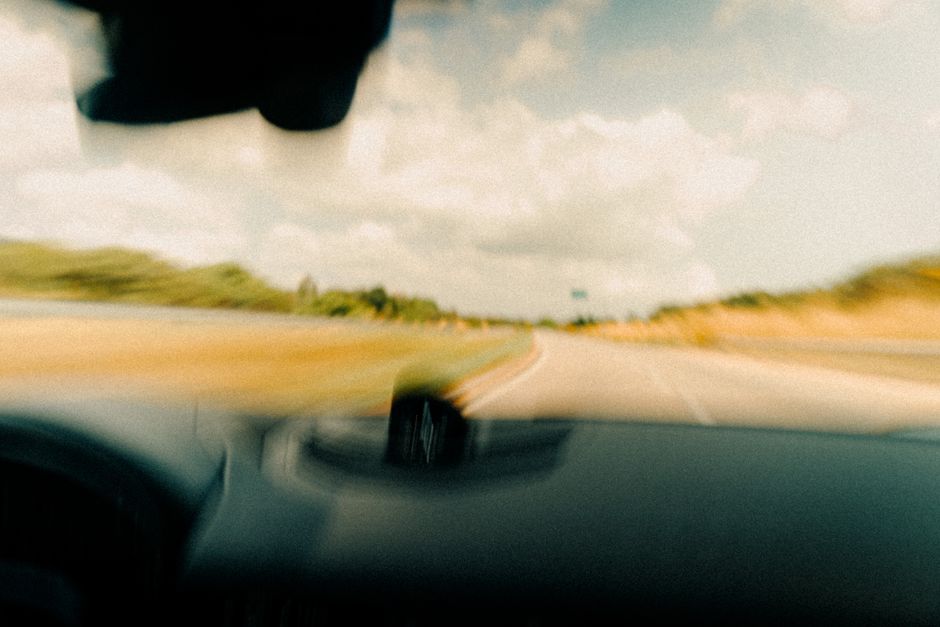
I rolled into Raleigh on a Thursday afternoon expecting a solid regional hub—and it is. But after a couple days of downtown restaurants and the museum loop, I felt that familiar itch. The thing about Raleigh is that it's positioned like the hub of a wheel. You're not stuck in a sprawl of concrete and chain restaurants; you're sitting close enough to the coast, the Piedmont forests, and genuine small towns that you can be out and back in a day without breaking a sweat.
I spent the better part of a week radiating outward from my hotel room, returning each evening. Some drives took me an hour and change. One stretched to two and a half hours, but the payoff justified it. This is the Raleigh advantage: access without needing to commit to a road trip.
Beaufort, North Carolina: The Coastal Town That Actually Feels Like Itself
Beaufort is 90 minutes east, straight down Highway 70 until you hit the water. It's not Outer Banks chaos—it's a working waterfront town where commercial fishing boats dock alongside sailboats, and the locals aren't performing a character for tourists.
Walk the docks. Eat shrimp burgers at a place like Clawson's 1905 Restaurant, which occupies a brick building that's been around since the Roosevelt administration. Browse the North Carolina Maritime Museum if the weather turns or you need air conditioning. There's a boat tour that runs out to Rachel Carson's Reserve, where you might see dolphins and are guaranteed to see marsh that stretches to the horizon in a way that resets your nervous system.
The drive is long enough that you'll want to stay until afternoon. I'd recommend going in spring (April through May) or fall (September through October), when the heat isn't oppressive and neither is the summer crowd. Summer works fine; winters can be gray and windy, though some people prefer that solitude.

Chapel Hill: Not a Day Trip Secret, But a Necessary One
Only 30 minutes west, Chapel Hill feels like a different city. If Raleigh is the government and business center, Chapel Hill is the college town you'd expect—walkable, dense, full of bookstores and restaurants that seem to exist because someone had a genuine idea rather than a franchise mandate.
Park near the campus and wander. The Old Well is iconic for a reason. The bookstores—Flyleaf Books especially—are real places where people linger. Have coffee at one of the dozen places on Franklin Street that will ruin you for chain coffee. If you're there on a game day, the energy is something else, though not quiet or contemplative.
Visit the Ackland Art Museum if you want a small but legitimately excellent art collection without the overwhelming scale of a major city museum. The Morehead Planetarium is there if you want to geek out on space. Most people spend four to five hours here and feel satisfied. Spring is best; fall too crowded with students; summer occasionally dead; winter fine but cold.
Durham and the Tobacco District: The Glow-Up You've Heard About
Durham is only 25 minutes away, and yes, the hype about its transformation is real—but not in the way Instagram would have you believe. This isn't a miracle revival story where everything's shiny and new. It's a city that stopped pretending to be what it wasn't and started building on what it actually had.
The Tobacco District (American Tobacco Campus and surrounding blocks) is the centerpiece. Old brick warehouses hold restaurants, offices, a bookstore. It's attractive, genuinely pedestrian-friendly, and full of people who seem to actually want to be there rather than performing for tourists. Bull City Ciderworks is there. Fullsteam Brewery is a few blocks away—the beer is good and the crowd isn't trying too hard.
But the real Durham is in the neighborhoods. Ninth Street has independent restaurants and bars that serve local communities, not just visitors. The North Carolina Central University campus is beautiful and historically significant. The Museum of Life and Science is solid, especially if you have kids. Weather-wise, same as Chapel Hill—spring and fall are optimal. Durham's food scene gets better every year, and that alone makes it worth a repeat visit.
Linville Falls: The Closest Real Waterfall and Mountain Air
This is the longest drive—2.5 hours northwest into the Blue Ridge foothills—but it's the one that gives you something fundamentally different from what you get in Raleigh. Linville Falls isn't the tallest waterfall on the East Coast, but it's one of the most dramatic. The water drops 90 feet and then spills into a gorge that's legitimately stunning.
There are easy walks and harder hikes. The short trail (maybe 1.5 miles round trip) gets you to a couple of viewpoints without killing your legs. If you're willing to move a bit faster, the longer Erwin's View trail gets you to a perspective that's worth the extra effort. Pack a lunch—there's a picnic area and not much else in terms of food nearby.
Go in spring for wildflowers and reliable water flow, or fall for foliage and the satisfaction of beating the leaf-peeping crowds. Summer is fine but gets warm. Winter is quiet and clear, though you'll need to dress for mountain weather. The drive itself is pleasant—you watch the landscape shift from Piedmont to actual mountains, which is its own kind of reward.
Raleigh's Limits and When to Push Through Them
I'll be honest: there's a reason people talk about the Research Triangle as a unit. Raleigh is functional and improving, but it's not built for the kind of walkable charm or natural spectacle that makes a day trip feel like an escape rather than a commute.
Chapel Hill has the college-town character. Durham has the urban grit mixed with genuine redevelopment. Beaufort has the water and working waterfront. Linville has the mountains and the air that reminds you the Earth isn't entirely paved over. Those are your outbound options when you want something that feels meaningfully different.
Don't bail on Raleigh itself—the science museums are legitimately good, the food scene is solid, and you'll find pockets of real character if you look. But also don't apologize for leaving. That's the whole point of being positioned in the center of a region that's actually worth exploring.

Logistics and Real Talk
Gas isn't the constraint—time is. All of these trips are doable as day excursions without leaving at dawn. I'd recommend planning for six to eight hours away from Raleigh including driving time. That gives you a couple hours to actually exist in your destination rather than spending your whole day on the road.
Linville is the exception because the drive is longer. Budget accordingly. The other four trips allow for real, unhurried time—a meal, a walk, maybe a museum or two—and still get you back to your hotel or wherever before dark.
Download offline maps if you're going anywhere without obvious cell service. Check weather and seasonal factors before committing. Most of these places are open year-round, but spring and fall are generally optimal everywhere in the Southeast. Summer works; winter requires a willingness to be cold.



